


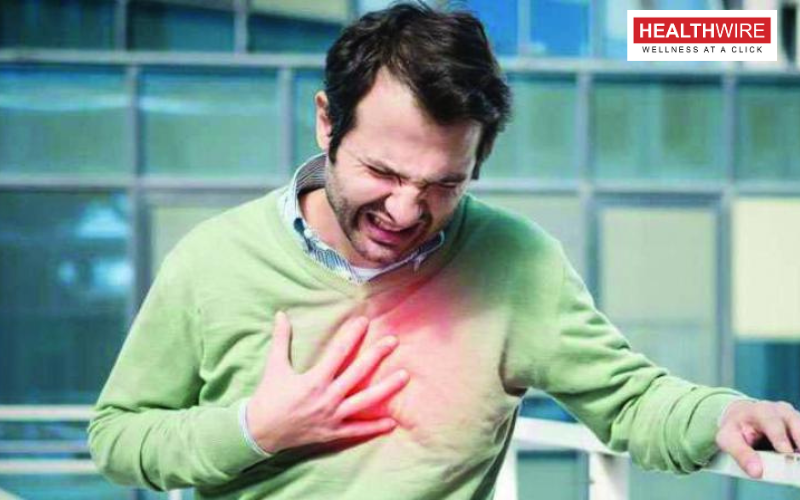
Heart attacks, medically known as myocardial infarctions, were long considered a disease of the older population. But recent trends suggest a worrying shift: more and more people in their 20s, 30s, and 40s are experiencing heart attacks. What is causing this surge among the young, and what hidden risks are often overlooked? Understanding these factors could save lives.
Why Heart Attacks Are Striking Younger People
Traditionally, heart attacks were linked to age, family history, and long-standing lifestyle habits. However, cardiologists are now seeing younger patients in emergency rooms with symptoms ranging from chest pain and shortness of breath to sudden cardiac arrest. According to several studies, approximately 10–15% of heart attacks now occur in people under 45, a number that has steadily increased over the past two decades.
This shift isn’t just a coincidence. Modern lifestyles, combined with genetic and environmental factors, are contributing to this alarming trend. Younger individuals may believe they are “immune” to heart disease, but ignorance can be fatal.
Hidden Risk Factors You Might Overlook
Several hidden factors increase the risk of heart attacks in younger people. Many of these are not obvious until it’s too late.
1. Poor Lifestyle Choices
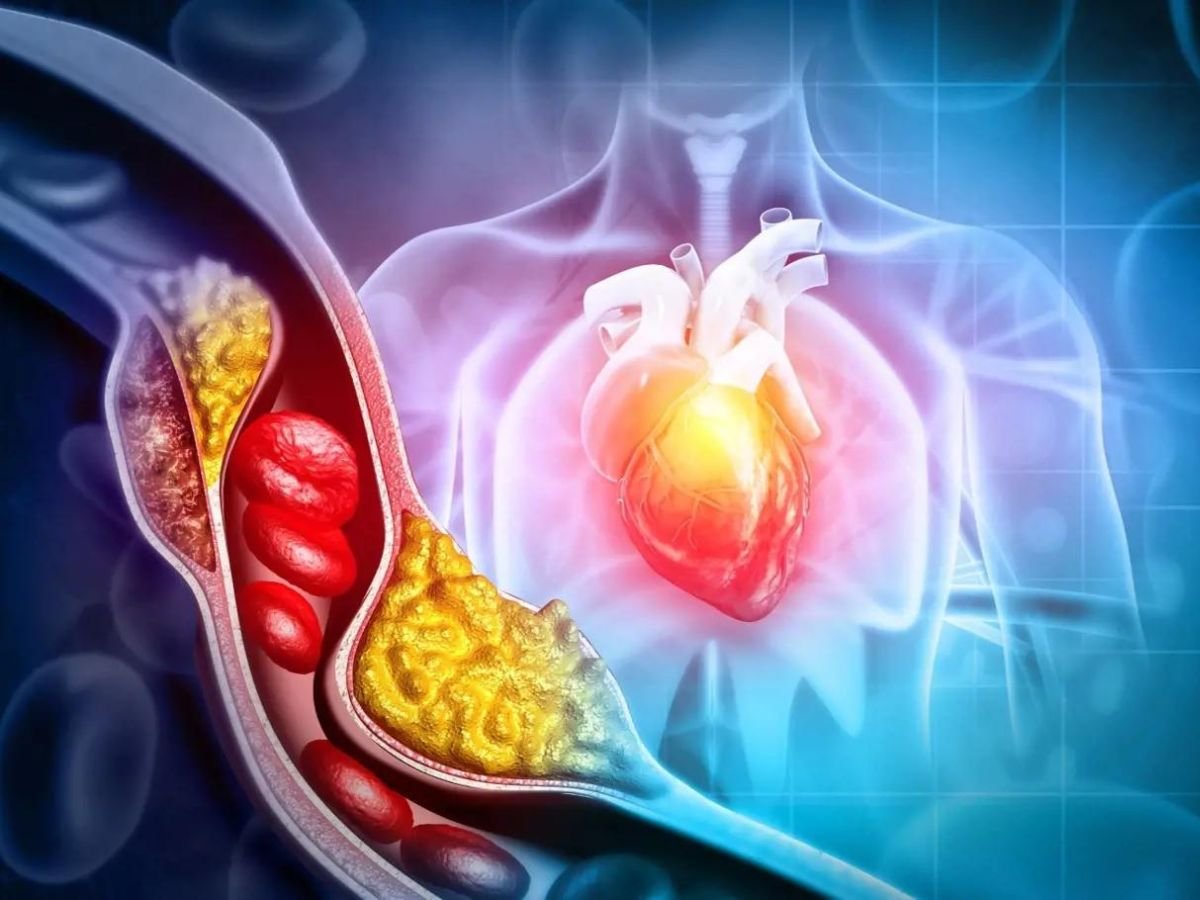
Sedentary habits, irregular sleep, and excessive stress are now common among young adults. Long working hours, constant screen exposure, and a lack of physical activity can silently damage the heart. Fast food, sugary drinks, and processed meals high in trans fats contribute to obesity, high cholesterol, and eventually atherosclerosis—the buildup of plaque in arteries that triggers heart attacks.
2. Undiagnosed Hypertension
High blood pressure is often called the “silent killer” because it may not show symptoms until it causes severe complications. Young adults may think they are too young for hypertension, but studies show that elevated blood pressure is increasingly prevalent among people under 40. Chronic high blood pressure stresses the heart, weakens arteries, and increases the risk of heart attacks.
3. Elevated Cholesterol and Triglycerides
High LDL cholesterol and triglyceride levels are no longer confined to older adults. Genetic predispositions combined with unhealthy eating can raise lipid levels even in teenagers. This accelerates the formation of arterial plaques, narrowing blood vessels, and setting the stage for a heart attack.
4. Diabetes and Insulin Resistance
Type 2 diabetes, once mostly diagnosed in middle-aged adults, is increasingly common among young adults and even adolescents. Insulin resistance contributes to higher blood sugar levels, which damages blood vessels over time. Poorly controlled diabetes multiplies the risk of early-onset heart disease and can trigger heart attacks even before any symptoms appear.
5. Mental Health and Chronic Stress
Stress is not just a mental concern; it has profound effects on the cardiovascular system. Chronic stress increases cortisol levels, which can raise blood pressure, disturb heart rhythms, and promote inflammation in arteries. Anxiety, depression, and overwork are common in younger generations and may silently escalate heart risks.
6. Smoking, Vaping, and Substance Abuse
Tobacco remains a major contributor to heart disease, and the rising popularity of vaping has not reduced cardiovascular risk. Nicotine, whether from cigarettes or e-cigarettes, damages blood vessels, raises heart rate and blood pressure, and contributes to plaque buildup. Recreational drugs such as cocaine and amphetamines also sharply increase the risk of heart attacks, often in individuals with otherwise healthy hearts.
7. Sedentary Jobs and Digital Lifestyles
Modern work culture encourages long hours at desks with minimal movement. Even when young adults exercise, prolonged sitting can counteract the benefits. Physical inactivity leads to obesity, poor circulation, and metabolic imbalances that collectively strain the heart.
8. Genetic Factors
Family history still matters. Inherited conditions such as familial hypercholesterolemia, certain clotting disorders, or early-onset heart disease can predispose young people to heart attacks. Genetic risk factors may remain hidden until triggered by lifestyle, stress, or other environmental factors.
Warning Signs You Should Never Ignore
Young adults often ignore early warning signs, assuming they are unrelated to heart disease. Recognizing these symptoms early can be lifesaving.
- Chest discomfort or pain: Pressure, tightness, or burning sensations, often mistaken for indigestion.
- Shortness of breath: Feeling winded without exertion.
- Fatigue: Unusual exhaustion during normal activities.
- Palpitations or irregular heartbeat: Fluttering or rapid heartbeats.
- Dizziness or fainting: Sometimes the first sign of heart dysfunction.
Even if these symptoms seem mild, medical evaluation is critical. Young people often downplay these warning signs, thinking heart attacks only happen to older adults.
Prevention: Lifestyle Changes That Can Help
The good news is that heart attacks are largely preventable, even in genetically predisposed individuals. Lifestyle changes can significantly reduce risk:
- Regular Exercise: At least 150 minutes of moderate-intensity exercise per week strengthens the heart, improves circulation, and helps control weight and blood pressure.
- Healthy Diet: A diet rich in fruits, vegetables, whole grains, lean proteins, and healthy fats lowers cholesterol and reduces arterial inflammation.
- Stress Management: Mindfulness, yoga, meditation, and hobbies can help regulate cortisol levels and reduce cardiovascular strain.
- Adequate Sleep: 7–9 hours of sleep per night is essential for heart health and metabolic balance.
- Avoid Smoking and Substance Use: Eliminating tobacco and recreational drugs reduces the risk of arterial damage and sudden heart events.
Heart attacks in young adults are a preventable tragedy if the right measures are taken. With modern lifestyles, the combination of poor diet, stress, sedentary habits, and undiagnosed conditions has created a perfect storm. The key lies in awareness, prevention, and early action. By understanding and addressing hidden risk factors, young people can safeguard their hearts and live healthier, longer lives.
Your heart may be young, but it is not invincible. Pay attention, act early, and make lifestyle choices that protect the most vital organ in your body.













Leave a comment