

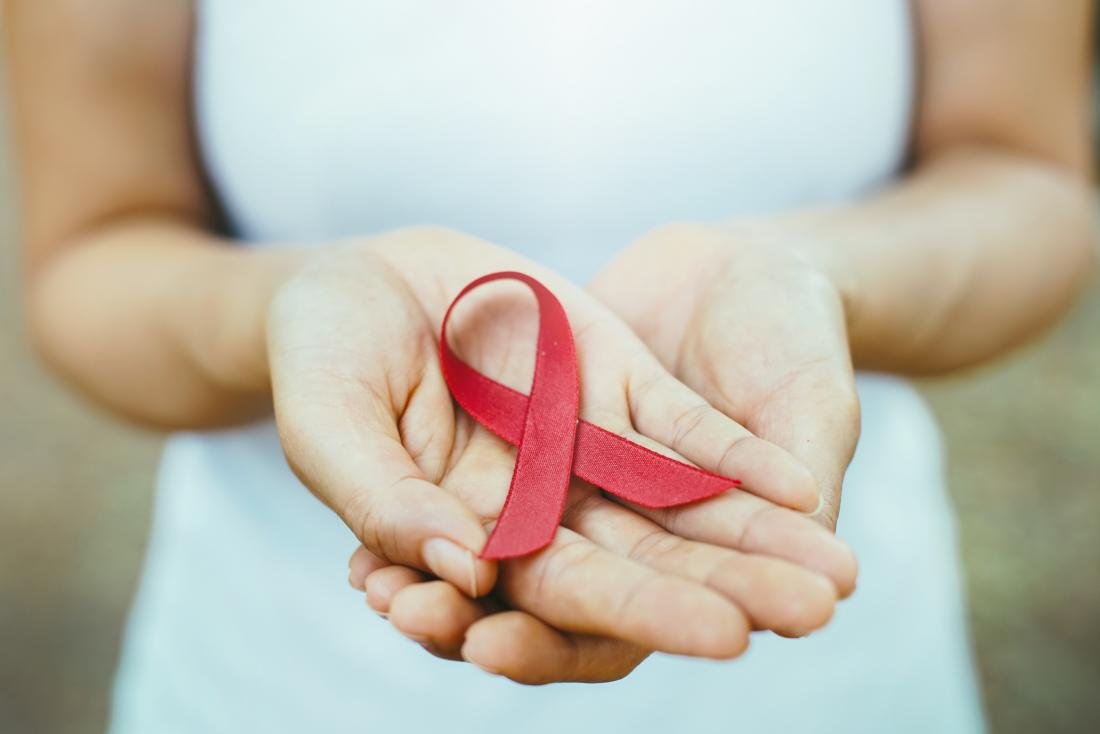
New Delhi, 02 December 2024: India’s battle against HIV/AIDS has been a commendable journey marked by significant progress in controlling the epidemic. Union Health Minister JP Nadda recently highlighted that India’s sustained and collaborative efforts have resulted in maintaining a low HIV epidemic level. Through comprehensive strategies, targeted interventions, and an inclusive approach, the country has made remarkable strides in reducing new HIV infections and providing quality care for those living with the virus.
The Current Status of HIV/AIDS in India
HIV (Human Immunodeficiency Virus) affects the immune system, making individuals more susceptible to infections and diseases. According to recent data from the National AIDS Control Organization (NACO), India has managed to significantly reduce the prevalence of HIV. New infections have declined by nearly 50% over the past decade, and AIDS-related deaths have dropped by approximately 70%.
Union Health Minister JP Nadda emphasized that these achievements are the result of sustained efforts at the national and regional levels, supported by innovative policies and active community involvement.
Government Initiatives to Combat HIV/AIDS
The Indian government, through NACO, has implemented a series of targeted interventions aimed at preventing and managing HIV/AIDS. Some key initiatives include:
National AIDS Control Programme (NACP): Launched in 1992, NACP has been a cornerstone of India’s fight against HIV/AIDS. Currently in its fifth phase, the program focuses on:
Enhancing awareness about HIV prevention.
Expanding access to antiretroviral therapy (ART).
Reducing stigma and discrimination against people living with HIV (PLHIV).
Free Antiretroviral Therapy (ART): India provides free ART to over 1.5 million individuals living with HIV. This therapy helps suppress the virus, improve immune function, and prevent transmission. The government has also introduced measures to make ART accessible in rural and underserved areas.
Prevention of Parent-to-Child Transmission (PPTCT): To reduce the risk of HIV transmission from mother to child during childbirth, India has established PPTCT services in government hospitals. These services include HIV testing, counseling, and providing ART to HIV-positive mothers.
Targeted Interventions for High-Risk Groups: High-risk populations, including sex workers, intravenous drug users, and men who have sex with men, are the focus of targeted interventions. Outreach programs provide education, condoms, needle exchange services, and access to testing and treatment.
Collaborative Efforts Driving Change
India’s success in maintaining low epidemic levels is also attributed to the collaborative efforts between government bodies, international organizations, and non-governmental organizations (NGOs). Partnerships with UNAIDS, WHO, and The Global Fund have enabled the country to access funding, technical expertise, and global best practices.
Additionally, community-based organizations have played a vital role in reaching marginalized populations, addressing stigma, and fostering an environment of support and inclusion for PLHIV.
Challenges in Sustaining Progress
Despite the significant progress, challenges remain in ensuring sustained control of the epidemic:
Stigma and Discrimination: Social stigma continues to deter many individuals from seeking testing and treatment, hindering the effectiveness of interventions.
Access in Remote Areas: Rural and remote regions still face barriers in accessing HIV services due to inadequate infrastructure and healthcare facilities.
Awareness Among Youth: Younger generations often lack adequate awareness about its prevention and safe practices, leading to vulnerability to new infections.
Co-infections: These patients are at higher risk of developing tuberculosis (TB) and other co-infections, which require integrated healthcare approaches.
The Role of Technology in AIDS Prevention and Management
Technology has become a key enabler in India’s AIDS control efforts. Digital platforms and mobile apps are being used to:
Facilitate AIDS testing and counselling services.
Provide virtual support groups for PLHIV.
Monitor and track ART adherence through SMS reminders.
Telemedicine services have also emerged as an effective way to provide care in remote areas, ensuring continuity of treatment during challenging times, such as the COVID-19 pandemic.
Global Recognition for India’s Efforts
India’s achievements in controlling AIDS have received international recognition. The country has been acknowledged as a leader in providing affordable generic ART to developing nations, significantly improving global access to treatment.
The Health Minister underscored that India’s approach serves as a model for other countries battling the epidemic. The combination of scientific advancements, grassroots interventions, and policy-level commitment has been pivotal in shaping this success story.
JP Nadda highlighted that while India has achieved significant milestones, there is no room for complacency. The goal is to achieve the UNAIDS 95-95-95 targets:
95% of people living with HIV knowing their status.
95% of diagnosed individuals receiving ART.
95% of those on ART achieving viral suppression.
The government is also focused on empowering communities through awareness campaigns, improving healthcare delivery, and fostering an environment of acceptance and support.
India’s sustained efforts in combating AIDS have ensured a low epidemic level, bringing hope to millions of people. The combined impact of robust policies, community involvement, and international collaboration has transformed the country’s healthcare landscape. However, continued vigilance, investment in healthcare infrastructure, and addressing stigma are critical to sustaining this progress. With a shared commitment to eradicating AIDS, India is well on its way to achieving its vision of an AIDS-free future.
















Leave a comment