

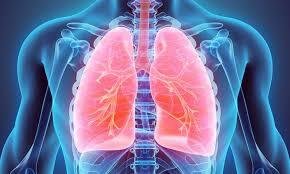
New Delhi, 02 December 2024: A recent study by the All India Institute of Medical Sciences (AIIMS) has raised alarm about the potential risks posed by fungal infections in patients with existing lung diseases. According to the research, common fungal infections could lead to severe complications, and in some cases, prove fatal for those suffering from chronic respiratory conditions such as asthma, chronic obstructive pulmonary disease (COPD), and pulmonary fibrosis. This revelation highlights the critical need for heightened awareness, early diagnosis, and improved treatment options for these vulnerable patients.
The Link Between Lung Disease and Fungal Infections
Lung diseases, particularly chronic conditions, weaken the respiratory system, leaving it more susceptible to infections. The immune system of individuals with compromised lung function may struggle to combat pathogens, including fungi. Fungal infections can range from mild to severe, and in the case of patients with pre-existing lung conditions, they may progress rapidly and result in serious complications.
The AIIMS study specifically focuses on the impact of common fungal pathogens such as Aspergillus and Candida, which have been linked to lung infections in vulnerable populations. These fungi can cause invasive infections that spread throughout the body, affecting not only the lungs but also other organs. The study highlights that individuals with lung diseases are particularly at risk due to their compromised immune systems.
Fungal Infections in Respiratory Patients
Fungal infections are known to exacerbate respiratory symptoms, especially in individuals with chronic lung conditions. Common fungal infections, such as Aspergillosis, Candida, and Histoplasmosis, are often seen in immunocompromised individuals. These infections can trigger an inflammatory response in the lungs, leading to symptoms such as coughing, chest pain, wheezing, fever, and difficulty breathing.
Patients with asthma, COPD, and other chronic respiratory diseases may already struggle with symptoms like breathlessness and a persistent cough, making it difficult for healthcare providers to differentiate between a normal exacerbation of their condition and a fungal infection. This delay in diagnosis can have serious consequences, as untreated fungal infections can rapidly progress and lead to severe respiratory failure.
Why Fungal Infections Are Dangerous for Lung Disease Patients
Fungal infections in patients with lung diseases are particularly concerning because they can trigger a cascade of health problems. These infections often cause lung inflammation, and when combined with existing respiratory issues, the result can be life-threatening.
Compromised Immune Response: Lung disease patients, particularly those with COPD or asthma, often have a weakened immune system. This makes it difficult for the body to mount an effective defense against fungal pathogens.
Prolonged Treatment: Fungal infections may require long-term treatment with antifungal medications, which may not always be effective, especially in severe cases. In addition, these medications can interact with other treatments for lung disease, complicating the management of the patient’s overall health.
Difficulty in Diagnosing Fungal Infections: The symptoms of fungal infections in the lungs often overlap with those of other respiratory diseases. This can delay diagnosis and treatment, allowing the infection to worsen before it is identified.
Rapid Progression: Some fungal infections, such as invasive Aspergillosis, can spread quickly in immunocompromised individuals, potentially affecting other organs and leading to multi-organ failure.
The study conducted by AIIMS aimed to better understand the prevalence and severity of fungal infections among patients with lung diseases. It identified several critical risk factors that make patients with respiratory conditions more vulnerable to fungal infections:
Immunosuppression: Many lung disease patients, especially those on long-term steroid treatments, have a weakened immune system, making them more susceptible to fungal pathogens.
Chronic Inflammation: Lung disease, especially COPD and asthma, causes ongoing inflammation in the respiratory system. This chronic inflammation can create an environment conducive to fungal infections.
Environmental Factors: The study also noted that environmental exposure to fungal spores, such as in damp or moldy environments, may increase the risk of infection.
Antibiotic Use: Long-term use of antibiotics in lung disease patients can disrupt the natural microbial balance in the body, leading to an increased risk of fungal overgrowth.
Recommendations and Preventative Measures
Based on the study’s findings, AIIMS has recommended that healthcare providers should be vigilant in monitoring for fungal infections in patients with chronic lung diseases. Early detection is key to preventing severe outcomes. The following steps can help reduce the risk of fungal infections in these vulnerable individuals:
Regular Screening: Lung disease patients, particularly those on immunosuppressive treatments like steroids, should undergo routine screening for fungal infections, especially if they show symptoms like persistent coughing or difficulty breathing.
Environmental Control: Patients should be educated about the risks of mold and damp environments, and efforts should be made to minimize exposure to fungal spores.
Targeted Therapy: Antifungal medications should be used judiciously and only when necessary, as overuse of antibiotics or antifungals can worsen the situation.
Better Diagnostic Tools: Improved diagnostic tests for detecting fungal infections in the lungs are needed to facilitate early diagnosis and treatment.
The findings of the AIIMS study underscore the critical need for healthcare providers to closely monitor patients with lung diseases for fungal infections. With the rising prevalence of respiratory diseases, particularly asthma and COPD, and the increasing use of immunosuppressive medications, the risk of fungal infections is becoming more pronounced. By understanding the link between lung diseases and fungal infections, implementing early diagnosis, and taking proactive measures to prevent exposure, healthcare professionals can improve outcomes for these vulnerable patients.

















Leave a comment