

New Delhi, October 08: India has achieved a significant milestone in public health by being recognized by the World Health Organization (WHO) for eliminating trachoma as a public health problem. This contagious bacterial infection of the eyes, often caused by poor sanitation and hygiene, has plagued millions worldwide for centuries. India’s success in eradicating trachoma is a testament to its commitment to improving healthcare access and quality, particularly in rural and underserved areas.
Understanding Trachoma
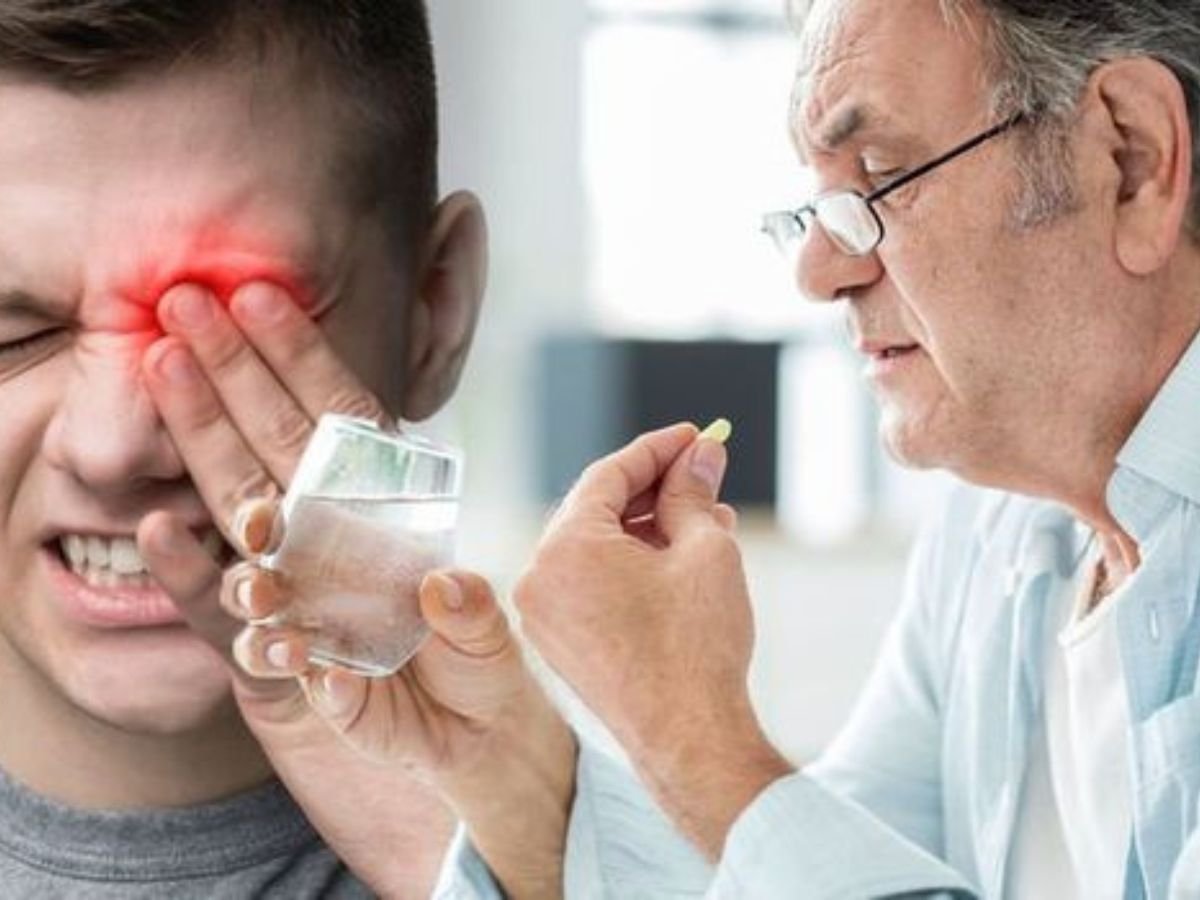
Trachoma is a leading cause of blindness worldwide, primarily affecting children and women in developing countries. It is characterized by a chronic inflammation of the conjunctiva, the thin, clear membrane that covers the white part of the eye and the inner surface of the eyelids. Repeated infections can lead to scarring of the cornea, the clear dome-shaped structure at the front of the eye. This scarring can eventually cause blindness.
The transmission of trachoma is facilitated by poor sanitation, lack of access to clean water, and direct contact with infected individuals. Flies can also play a role in spreading the bacteria. Children are particularly susceptible to infection due to their close contact with each other and their environment.
India’s Comprehensive Approach
India’s success in eliminating trachoma can be attributed to a multi-faceted approach that involved a combination of public health interventions. The government implemented a national trachoma control program that focused on the following key strategies:
Surveillance and Mapping: The program conducted extensive surveys to identify areas with high prevalence of trachoma. This information was used to target interventions effectively.
Mass Drug Administration (MDA): Antibiotics were distributed to the entire population in affected areas, including children, to treat the infection and prevent its spread.
Surgery for Trichiasis: Individuals with advanced trachoma, characterized by inward-turning eyelashes, underwent surgery to correct the condition and prevent further damage to the cornea.
Improved Sanitation and Hygiene: Public health campaigns were launched to promote handwashing, safe disposal of human waste, and other hygiene practices.
Community Engagement: Local communities were involved in the program to raise awareness about trachoma and encourage participation in prevention and treatment activities.
Challenges and Lessons Learned
Despite India’s remarkable progress, there were significant challenges to overcome in the fight against trachoma. These included:
Geographic Accessibility: Many affected areas were remote and difficult to reach, making it challenging to deliver healthcare services.
Poverty and Lack of Awareness: Poverty and limited access to education often hindered the adoption of preventive measures and the seeking of medical care.
Cultural Barriers: Traditional beliefs and practices sometimes posed obstacles to the implementation of public health interventions.
India’s experience in eliminating trachoma offers valuable lessons for other countries facing similar challenges. The importance of a comprehensive approach that addresses both the medical and social determinants of health is evident. Collaboration between governments, healthcare providers, and communities is essential for achieving sustainable results.
India’s achievement in eradicating trachma is a significant milestone in global health. It demonstrates the power of collective action and the importance of investing in public health infrastructure.














Leave a comment