

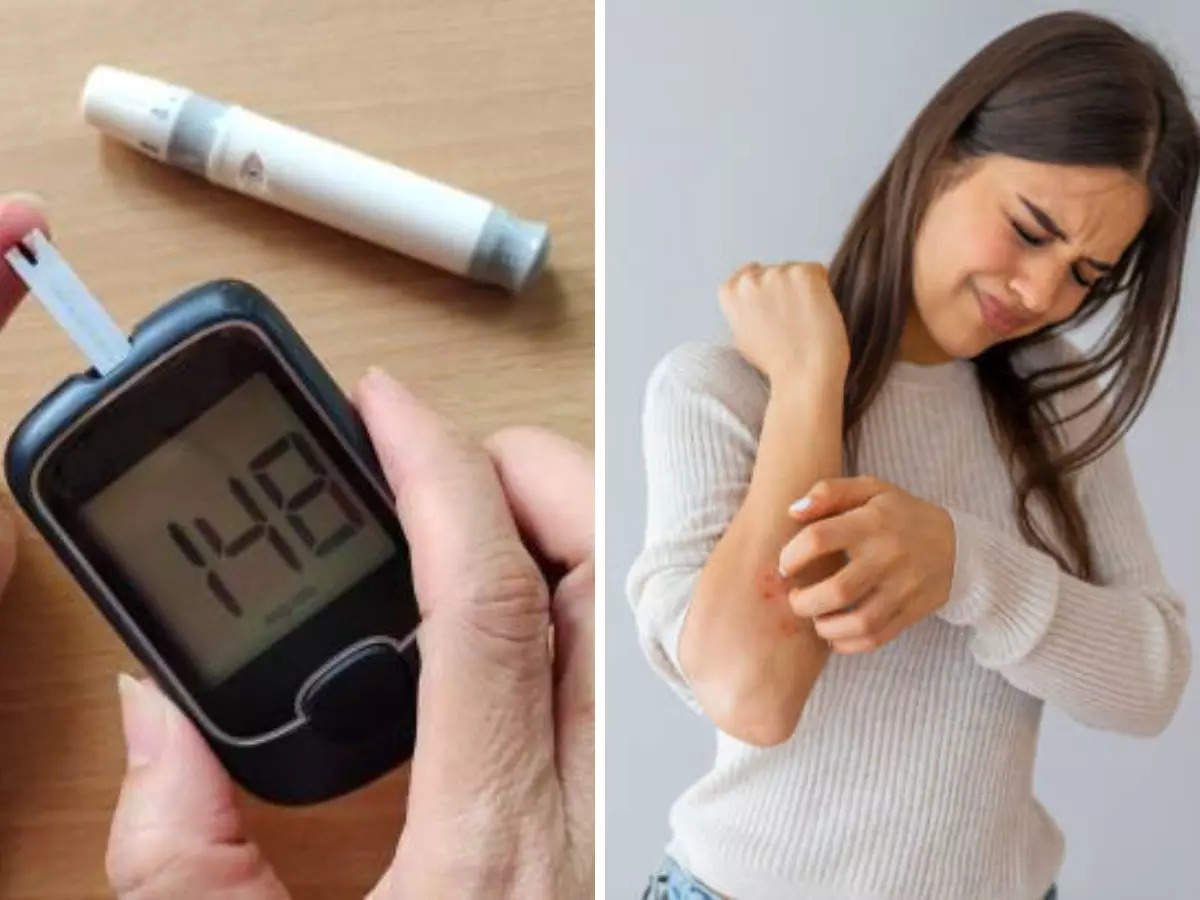
New Delhi, 01 November, 2025: Pre-diabetes is one of the most overlooked yet crucial stages in the development of diabetes. It serves as a red flag from your body, indicating that your blood sugar levels are higher than normal but not high enough to be classified as diabetes. The most concerning fact? Many people live with pre-diabetes for years without realizing it — until it progresses into full-blown Type 2 Diabetes, a chronic condition that affects millions across the world.
According to health data, nearly one in six adults in India is pre-diabetic, and a significant portion of them remain undiagnosed. Early identification and lifestyle changes can reverse pre-diabetes and prevent lifelong complications. The key lies in recognizing the warning signs early and taking preventive steps before it’s too late.
What Is Pre-Diabetes?
Pre-diabetes occurs when blood sugar levels are above the normal range but below the threshold for diabetes diagnosis. It indicates that the body’s cells are becoming resistant to insulin — the hormone responsible for regulating blood sugar.
In medical terms:
- Normal fasting blood sugar: Below 100 mg/dL
- Pre-diabetic range: 100–125 mg/dL
- Diabetes: 126 mg/dL or higher on two separate tests
Similarly, a Hemoglobin A1C level between 5.7% and 6.4% is considered pre-diabetic.
The good news is that pre-diabetes is reversible. By making timely changes in diet, exercise, and stress management, you can restore normal blood sugar balance and prevent the onset of diabetes.
Common Warning Signs of Pre-Diabetes
Pre-diabetes rarely produces clear symptoms, but your body often sends subtle signals that shouldn’t be ignored. Here are the key early warning signs to watch out for:
1. Constant Fatigue and Low Energy
When cells become resistant to insulin, they struggle to absorb glucose — the body’s main source of energy. As a result, you may feel tired or sluggish, even after sleeping well. Persistent fatigue, especially after meals, is a classic sign of impaired glucose metabolism.
2. Increased Thirst and Frequent Urination
High blood sugar pulls water from your tissues, leading to dehydration and excessive thirst (polydipsia). You may also notice frequent urination (polyuria), as the kidneys work overtime to flush out excess sugar from the body.
3. Unexplained Weight Changes
Some people experience unintentional weight loss, while others gain weight due to insulin resistance. The body’s inability to efficiently use glucose can cause fluctuations in appetite and fat storage, especially around the abdomen — a key risk factor for diabetes.
4. Increased Hunger After Meals
When your cells don’t get enough glucose, your brain signals hunger, prompting you to eat more, even after a full meal. This constant hunger cycle can worsen insulin resistance and blood sugar instability.
5. Darkened Skin Patches (Acanthosis Nigricans)
Dark, velvety patches around the neck, armpits, elbows, or groin are a visible sign of insulin resistance. These skin changes are among the earliest external indicators of pre-diabetes.
6. Blurred Vision
High blood sugar levels can temporarily alter the shape of your eye lens, leading to blurred or fluctuating vision. If untreated, long-term blood sugar imbalance can cause lasting eye damage (diabetic retinopathy).
7. Slow Healing of Cuts and Wounds
Elevated glucose affects circulation and impairs the immune system, causing wounds or infections to heal more slowly. This is a serious warning sign that should never be ignored.
8. Tingling or Numbness in Hands and Feet
High blood sugar damages nerves over time, leading to tingling, burning, or numbness in extremities — an early sign of diabetic neuropathy.
Who Is at Risk of Pre-Diabetes?
Certain risk factors make you more prone to developing pre-diabetes. If you fall into any of these categories, consider regular blood sugar testing:
- Overweight or obese individuals (BMI > 25)
- Sedentary lifestyle (lack of physical activity)
- Family history of diabetes
- Age above 40 (though younger people are now increasingly affected)
- Unhealthy diet high in refined sugars and processed foods
- Polycystic ovary syndrome (PCOS) in women
- History of gestational diabetes
- High blood pressure or high cholesterol
If you have two or more of these risk factors, your chances of developing pre-diabetes increase significantly.
Complications of Ignoring Pre-Diabetes
Left untreated, pre-diabetes almost always progresses to Type 2 Diabetes within 5–10 years. But the risks don’t stop there — elevated blood sugar also damages blood vessels, nerves, and organs.
Potential complications include:
- Heart disease and stroke
- Kidney damage (nephropathy)
- Nerve damage (neuropathy)
- Vision problems (retinopathy)
- Foot ulcers or infections
This is why early intervention is crucial — it’s far easier to reverse pre-diabetes than to manage diabetes and its complications later.
How to Reverse Pre-Diabetes Naturally
Fortunately, lifestyle modifications can effectively halt or reverse pre-diabetes. Research shows that even a 5–7% reduction in body weight can significantly improve insulin sensitivity.
Here’s how you can take control:
1. Eat a Balanced, Low-Glycemic Diet
Focus on foods that release energy slowly, preventing sudden spikes in blood sugar.
Include:
- Whole grains (brown rice, quinoa, oats)
- Leafy greens and colorful vegetables
- Legumes, lentils, and beans
- Fruits with low sugar (apples, berries, guava)
- Healthy fats (avocado, olive oil, nuts)
Avoid:
- Refined carbohydrates (white bread, pastries, sugary drinks)
- Fried and processed foods
- Excessive red meat and full-fat dairy
2. Exercise Regularly
Physical activity helps your muscles use glucose efficiently and improves insulin sensitivity.
Try:
- 30 minutes of brisk walking, cycling, or swimming 5 days a week.
- Strength training twice a week.
- Short activity breaks every hour if you sit for long hours.
3. Maintain a Healthy Weight
Reducing even a few kilos can make a dramatic difference in blood sugar regulation. Combine a balanced diet with regular movement for sustainable weight loss.
4. Get Quality Sleep
Poor sleep increases stress hormones like cortisol, which raise blood sugar levels. Aim for 7–8 hours of uninterrupted sleep and maintain a consistent sleep schedule.
5. Manage Stress Effectively
Chronic stress triggers hormonal changes that increase glucose production. Practice deep breathing, yoga, mindfulness, or meditation to calm the nervous system.
6. Stay Hydrated
Drink plenty of water to help flush out excess glucose through urine. Avoid sugary beverages and opt for herbal teas or lemon water instead.
7. Avoid Smoking and Alcohol
Smoking damages blood vessels and worsens insulin resistance. Alcohol, when consumed excessively, raises blood sugar and promotes inflammation.
Screening and Diagnosis
Early detection through routine screening is essential. If you have risk factors, get your:
- Fasting blood glucose
- Oral glucose tolerance test (OGTT)
- HbA1C levels checked at least once a year.
Regular monitoring helps track progress and adjust lifestyle interventions as needed.
When to See a Doctor
Seek medical advice if you experience symptoms such as persistent fatigue, excessive thirst, or frequent urination. A doctor can evaluate your risk factors, recommend blood tests, and guide you on diet and exercise plans tailored to your condition.
Pre-diabetes doesn’t mean you’re destined to develop diabetes — it’s a wake-up call. By recognizing the signs early and adopting a healthy lifestyle, you can completely reverse the condition and protect yourself from serious health complications.
The key is awareness and consistency. Start small — eat balanced meals, walk daily, and get enough rest. Over time, these simple habits can bring your blood sugar levels back to normal and restore your body’s natural balance.
Remember, the earlier you act, the easier it is to reverse pre-diabetes — and reclaim control over your health.

















Leave a comment