

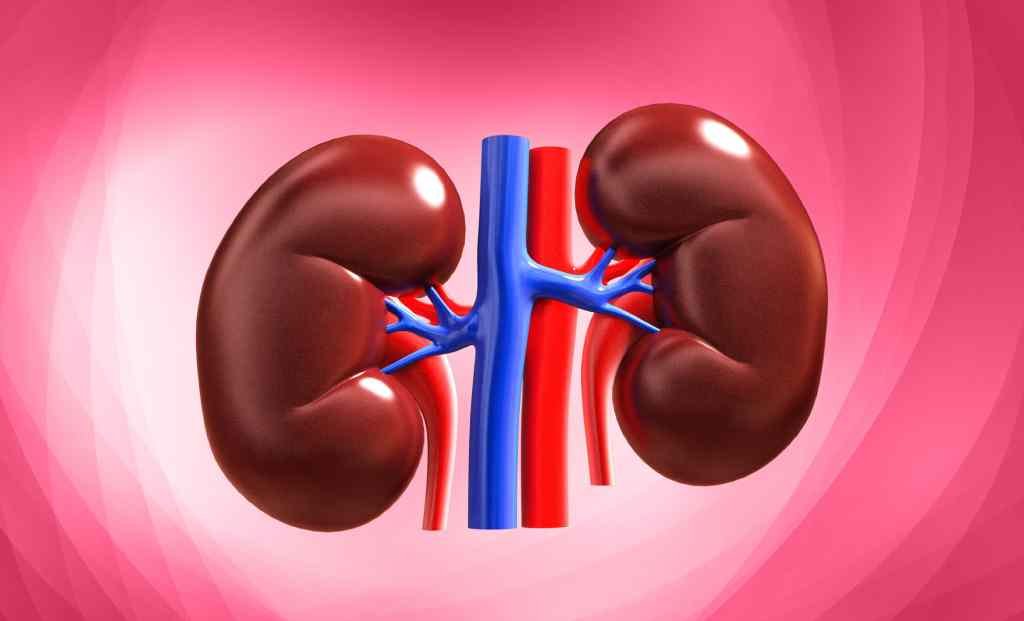
New Delhi, 01 November, 2025: Chronic Kidney Disease (CKD) is emerging as one of India’s most pressing public health challenges, silently affecting millions. Often called the “silent killer,” kidney disease progresses gradually, showing few symptoms until it reaches an advanced stage. According to health data, India is witnessing a sharp rise in kidney-related ailments, largely due to lifestyle changes, rising diabetes, hypertension, and poor awareness about early detection.
The kidneys — two bean-shaped organs located below the rib cage — play a vital role in filtering waste, balancing fluids, and regulating blood pressure. When they lose their ability to function effectively, waste and toxins build up in the blood, leading to Chronic Kidney Disease, a condition that can ultimately result in kidney failure if left untreated.
Here’s a comprehensive look at the causes, early signs, and preventive measures that can help protect your kidney health.
Understanding Chronic Kidney Disease (CKD)
Chronic Kidney Disease refers to a gradual loss of kidney function over months or years. Unlike acute kidney injury, which happens suddenly and can often be reversed, CKD progresses slowly and is usually permanent.
The disease is classified into five stages based on the glomerular filtration rate (GFR) — a measure of how well the kidneys filter waste. Stage 1 indicates mild damage, while stage 5, known as end-stage renal disease (ESRD), requires dialysis or a kidney transplant.
What makes CKD particularly dangerous is that most people don’t realize they have it until their kidneys are functioning at less than 25–30%.
Major Causes of Chronic Kidney Disease in India
Several lifestyle, metabolic, and genetic factors contribute to the growing burden of CKD in India. The leading causes include:
1. Diabetes (Diabetic Nephropathy)
Diabetes is the most common cause of CKD, responsible for nearly 40% of all kidney failure cases. Persistently high blood sugar damages tiny blood vessels (glomeruli) in the kidneys, impairing their ability to filter waste effectively.
2. High Blood Pressure (Hypertensive Nephropathy)
Uncontrolled hypertension puts constant pressure on blood vessels, including those in the kidneys. Over time, this causes them to harden, narrow, and weaken — reducing kidney function.
3. Genetic and Congenital Disorders
Conditions like polycystic kidney disease (PKD) are inherited and cause cysts to grow in the kidneys, eventually leading to loss of function.
4. Chronic Infections and Obstructions
Repeated urinary tract infections (UTIs), kidney stones, and prostate enlargement can obstruct urine flow, causing long-term kidney damage if untreated.
5. Overuse of Painkillers and Unregulated Medications
Frequent or prolonged use of over-the-counter painkillers like ibuprofen, as well as certain antibiotics, can harm the kidneys. Self-medication and use of unregulated herbal drugs further aggravate the problem.
6. Lifestyle and Environmental Factors
Sedentary living, obesity, dehydration, excessive salt intake, and exposure to environmental toxins also contribute to kidney strain.
Why CKD Is Rising Rapidly in India
India faces a unique combination of factors fueling the CKD crisis:
- Rising diabetes and hypertension rates: Over 75 million Indians are diabetic, and many remain undiagnosed.
- Lack of early screening: Kidney tests are often neglected until symptoms appear.
- Limited access to nephrology care: Rural and semi-urban regions lack specialized kidney care facilities.
- Environmental pollution: Contaminated water sources and industrial exposure contribute to kidney damage in some regions.
Experts warn that CKD could soon become one of India’s top five causes of death if preventive action is not taken urgently.
Early Symptoms of Kidney Disease
CKD often develops silently, with minimal or nonspecific symptoms in the early stages. However, as the disease progresses, the following warning signs may appear:
- Swelling in the ankles, feet, or hands (edema) due to fluid retention.
- Fatigue and weakness caused by a buildup of toxins or anemia.
- Changes in urination patterns — frequent urination at night, foamy urine, or reduced output.
- Loss of appetite and nausea.
- Shortness of breath due to fluid buildup in the lungs.
- Itchy, dry skin as waste products accumulate in the body.
- Muscle cramps or difficulty concentrating due to electrolyte imbalances.
These symptoms can easily be mistaken for other health problems, which is why routine health check-ups and kidney function tests are vital, especially for people with diabetes or hypertension.
How to Prevent Chronic Kidney Disease
While not all kidney diseases can be prevented, most lifestyle-related CKD cases are avoidable with early action and healthy habits.
1. Manage Blood Sugar Levels
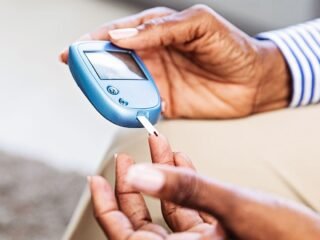
If you have diabetes, monitor your glucose levels regularly. A balanced diet, regular exercise, and medication adherence can slow down or prevent kidney damage.
2. Keep Blood Pressure Under Control
Aim for a blood pressure of below 130/80 mmHg. Reducing salt intake, maintaining a healthy weight, and taking prescribed medication are essential steps.
3. Stay Hydrated — But Don’t Overdo It
Water helps flush toxins from the kidneys, but excessive fluid intake can be counterproductive in advanced kidney disease. Aim for 8–10 glasses daily unless advised otherwise by your doctor.
4. Eat a Kidney-Friendly Diet
A diet rich in fresh fruits, vegetables, whole grains, and lean proteins supports kidney health. Limit processed foods, excessive protein, and sodium.
- Avoid foods high in phosphorus (like cola, processed cheese) and potassium (like bananas, tomatoes) if your doctor advises.
5. Exercise Regularly
Moderate physical activity — such as brisk walking, yoga, or swimming — helps regulate blood sugar, blood pressure, and body weight, reducing stress on the kidneys.
6. Avoid Painkillers and Self-Medication
Nonsteroidal anti-inflammatory drugs (NSAIDs) such as ibuprofen, naproxen, and certain antibiotics can cause long-term kidney injury if used excessively. Always consult a physician before taking medication.
7. Quit Smoking and Limit Alcohol
Smoking reduces blood flow to the kidneys and increases the risk of hypertension. Alcohol, when consumed excessively, dehydrates the body and increases kidney workload.
8. Get Regular Health Screenings
Routine kidney function tests — including serum creatinine, urine protein, and GFR — can detect early-stage CKD. Annual check-ups are crucial for those over 40 or with diabetes, hypertension, or a family history of kidney disease.
Treatment and Management Options
CKD management depends on the stage of the disease. In early stages, lifestyle modification and medication can control progression. However, once kidney function drops below 15%, dialysis or kidney transplantation becomes necessary.
Key treatment components include:
- Medications to control blood pressure, diabetes, and cholesterol.
- Dietary management to reduce strain on the kidneys.
- Dialysis to remove waste when kidneys fail to do so.
- Kidney transplant, a long-term solution for end-stage disease.
The goal of early detection and management is to slow the progression of CKD, minimize complications, and improve quality of life.
Public Health Awareness and the Way Forward
Despite growing awareness, kidney disease often remains underdiagnosed in India. Public health experts stress the need for nationwide screening programs, especially targeting high-risk groups. Encouraging annual health check-ups and educating people about kidney-friendly habits can go a long way in reducing the burden of CKD.
At the community level, promoting healthy diets, fitness, pollution control, and accessible healthcare services are vital steps in tackling this rising epidemic.
Chronic Kidney Disease doesn’t develop overnight — it is the result of years of silent damage. But the good news is that early intervention, regular screening, and lifestyle discipline can prevent or slow its progression.
Your kidneys deserve attention, just like your heart or lungs. By staying informed, eating right, exercising regularly, and managing chronic conditions, you can protect these vital organs and lead a healthier, longer life.
Remember: Prevention is always better than dialysis.














Leave a comment