

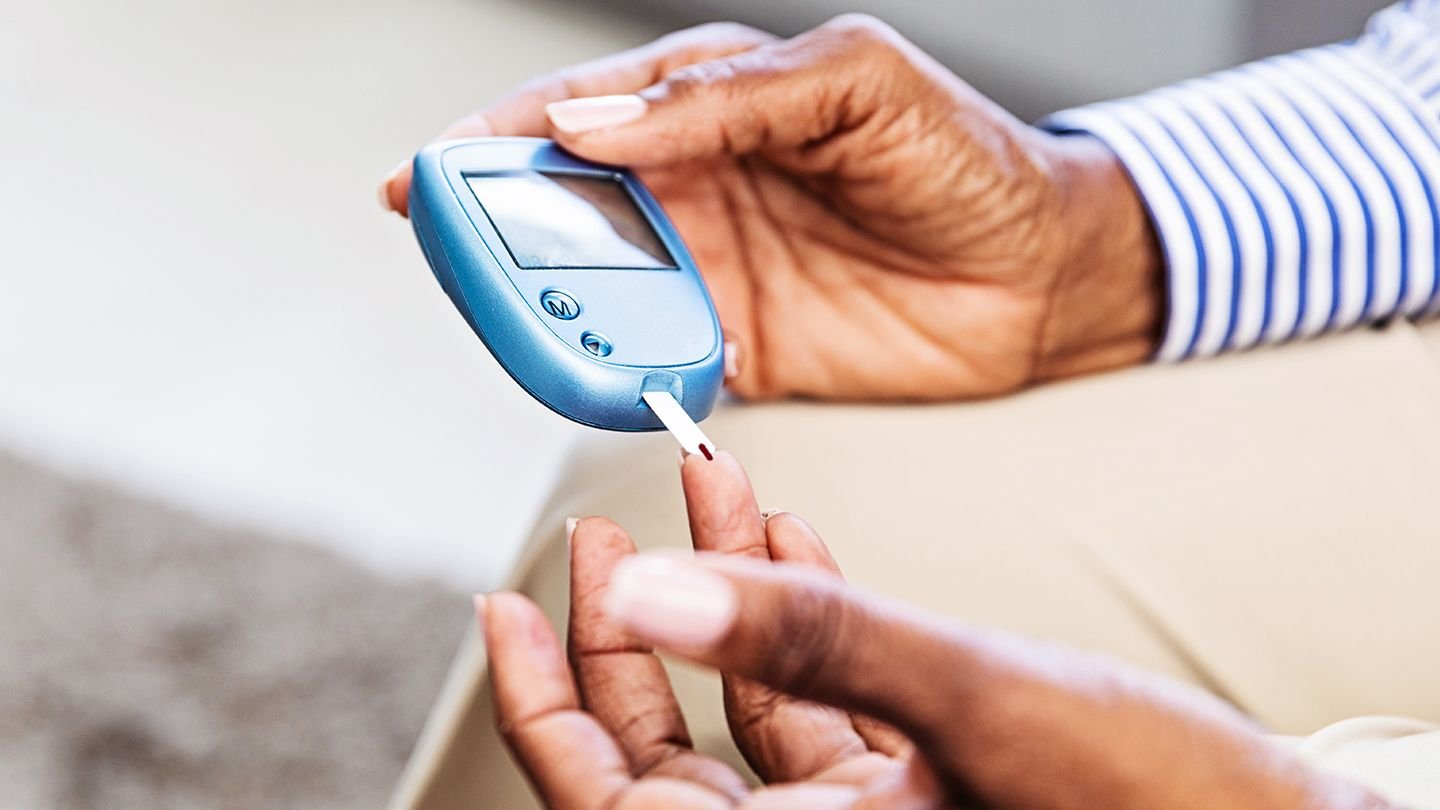
New Delhi, 01 November, 2025: In a world where lifestyle diseases are on the rise, diabetes and prediabetes have emerged as major health concerns affecting millions of people globally. While medication plays a crucial role in managing blood sugar for many, a growing body of evidence shows that natural lifestyle changes can significantly help in regulating glucose levels — sometimes even preventing the need for medication.
Managing blood sugar naturally isn’t about a short-term fix; it’s about adopting sustainable habits that support your body’s natural insulin response and metabolism. Here’s a detailed look at how you can keep your blood sugar levels in check — without relying on medication.
1. Eat a Balanced, Fiber-Rich Diet
Diet is the cornerstone of blood sugar management. The food you eat directly impacts glucose levels, and choosing the right combination of nutrients can help prevent dangerous spikes.
Focus on:
- Whole grains like oats, quinoa, and brown rice instead of refined carbs.
- High-fiber foods such as vegetables, fruits with skin, legumes, and nuts. Fiber slows the absorption of sugar, keeping glucose levels stable.
- Healthy fats from sources like avocados, olive oil, seeds, and fatty fish.
- Lean proteins including eggs, tofu, paneer, lentils, and chicken breast to balance your plate.
Avoid:
- Refined sugars, pastries, white bread, and sugary drinks.
- Processed foods high in trans fats and preservatives.
A good rule of thumb is to fill half your plate with vegetables, one-fourth with lean protein, and one-fourth with complex carbs.
2. Manage Portion Sizes and Meal Timing
Even healthy foods can cause spikes in blood sugar if eaten in large quantities. Managing portion size is key to avoiding post-meal glucose surges.
Tips:
- Eat smaller, balanced meals every 3–4 hours instead of skipping meals or overeating.
- Don’t eat large dinners right before bedtime — your body’s insulin sensitivity drops in the evening.
- Use smaller plates to naturally control portion size.
- Include a small portion of protein or healthy fat with every meal to slow sugar absorption.
Consistent eating patterns help regulate insulin activity and maintain stable energy levels throughout the day.
3. Exercise Regularly — Move Every Day
Physical activity is one of the most effective natural ways to lower blood sugar. When you exercise, your muscles use glucose for energy, reducing sugar levels in the bloodstream.
Effective forms of exercise include:
- Walking: A 30-minute brisk walk after meals can improve insulin sensitivity.
- Strength training: Lifting weights helps build muscle mass, which uses glucose more efficiently.
- Yoga and stretching: These improve circulation and reduce stress hormones that can elevate blood sugar.
- Aerobic activities: Swimming, cycling, or dancing for 30–45 minutes, five times a week, works wonders for glucose control.
Even small changes — like taking the stairs, gardening, or standing breaks during long work hours — can make a big difference over time.
4. Get Enough Sleep
Sleep deprivation is one of the most overlooked causes of high blood sugar. Lack of rest raises stress hormones like cortisol, which interfere with insulin sensitivity.
Experts recommend:
- 7–8 hours of uninterrupted sleep each night.
- Maintaining a regular sleep schedule — going to bed and waking up at the same time daily.
- Avoiding caffeine, nicotine, and screens before bedtime.
Quality sleep helps your body repair itself, balance hormones, and regulate hunger — all of which are critical for glucose control.
5. Stay Hydrated — Water Is Your Best Friend
Proper hydration helps flush out excess sugar through urine and supports kidney function. Dehydration can raise blood sugar levels by increasing glucose concentration in the blood.
Aim for:
- 8–10 glasses of water per day (more if you live in a hot climate or exercise frequently).
- Avoid sugary drinks like sodas, packaged juices, and energy drinks — these cause blood sugar spikes.
- Herbal teas (green tea, cinnamon tea, fenugreek tea) can be beneficial for stabilizing glucose naturally.
6. Reduce Stress — Protect Your Hormonal Balance
Chronic stress can directly raise blood sugar levels by triggering the release of cortisol and adrenaline. These hormones prepare your body for a “fight-or-flight” response, releasing stored glucose into the bloodstream.
To manage stress effectively:
- Practice deep breathing or mindfulness meditation for 10 minutes daily.
- Engage in relaxing hobbies like reading, gardening, or music.
- Try yoga or tai chi to calm the mind and lower cortisol levels.
- Get regular sunlight and connect with loved ones — emotional health impacts physical well-being.
When you lower stress, you also reduce inflammation and improve insulin efficiency.
7. Maintain a Healthy Weight
Being overweight — especially carrying excess fat around the abdomen — reduces your body’s sensitivity to insulin. Even a small weight loss (5–7% of total body weight) can significantly improve blood sugar control.
To achieve and maintain a healthy weight:
- Follow a calorie-balanced, nutrient-dense diet.
- Avoid crash diets; instead, focus on slow, steady progress.
- Combine cardio with strength training.
- Track your progress weekly, not daily, to stay motivated.
8. Try Natural Blood Sugar–Lowering Foods and Herbs
Certain foods and herbs have been shown to naturally stabilize blood sugar levels.
Add these to your diet:
- Cinnamon: Enhances insulin sensitivity and lowers fasting glucose levels.
- Fenugreek seeds (methi): Contain soluble fiber that slows carbohydrate absorption.
- Aloe vera juice: May help improve fasting blood sugar in prediabetic individuals.
- Bitter gourd (karela): Contains compounds that mimic insulin.
- Turmeric: Reduces inflammation and supports metabolic health.
Always consult a healthcare professional before starting supplements, especially if you’re already on medication.
9. Monitor Blood Sugar Regularly
Even if you’re managing naturally, it’s important to track your blood sugar levels regularly. Monitoring helps you understand how your body responds to different foods, activities, and stress levels.
Use a home glucometer or a continuous glucose monitor (CGM) if available. Keep a log of your readings, meals, and activities — it helps identify triggers that cause spikes.
10. Avoid Smoking and Limit Alcohol
Smoking damages blood vessels and worsens insulin resistance, while excessive alcohol can cause erratic blood sugar levels.
If you drink, limit intake to:
- Men: Up to two drinks per day.
- Women: One drink per day.
Choose low-sugar options like dry wine or spirits with soda instead of sugary cocktails or beer.
The Importance of Early Lifestyle Intervention
People with prediabetes or mild blood sugar irregularities often think medication is the only solution — but lifestyle changes at the right time can reverse the condition. Studies show that consistent diet, exercise, and stress management can reduce the risk of type 2 diabetes by over 50%.
The earlier you begin, the better your chances of maintaining long-term health and avoiding complications such as nerve damage, kidney disease, and heart problems.
When to Consult a Doctor
While natural methods can work wonders, it’s important to know when to seek medical advice. Consult a healthcare professional if you experience:
- Persistent fatigue or excessive thirst
- Frequent urination
- Unexplained weight loss
- Blurred vision or tingling in hands and feet
Your doctor can guide you on whether natural management is sufficient or if medication is needed temporarily.
Controlling blood sugar naturally is absolutely possible — with patience, consistency, and the right habits. Focus on a whole-food diet, regular movement, sound sleep, stress reduction, and mindful living. These changes not only balance glucose levels but also boost overall health, energy, and longevity.
Remember, the goal isn’t perfection — it’s progress. Every small, consistent step you take brings your blood sugar, and your body, closer to balance.

















Leave a comment