

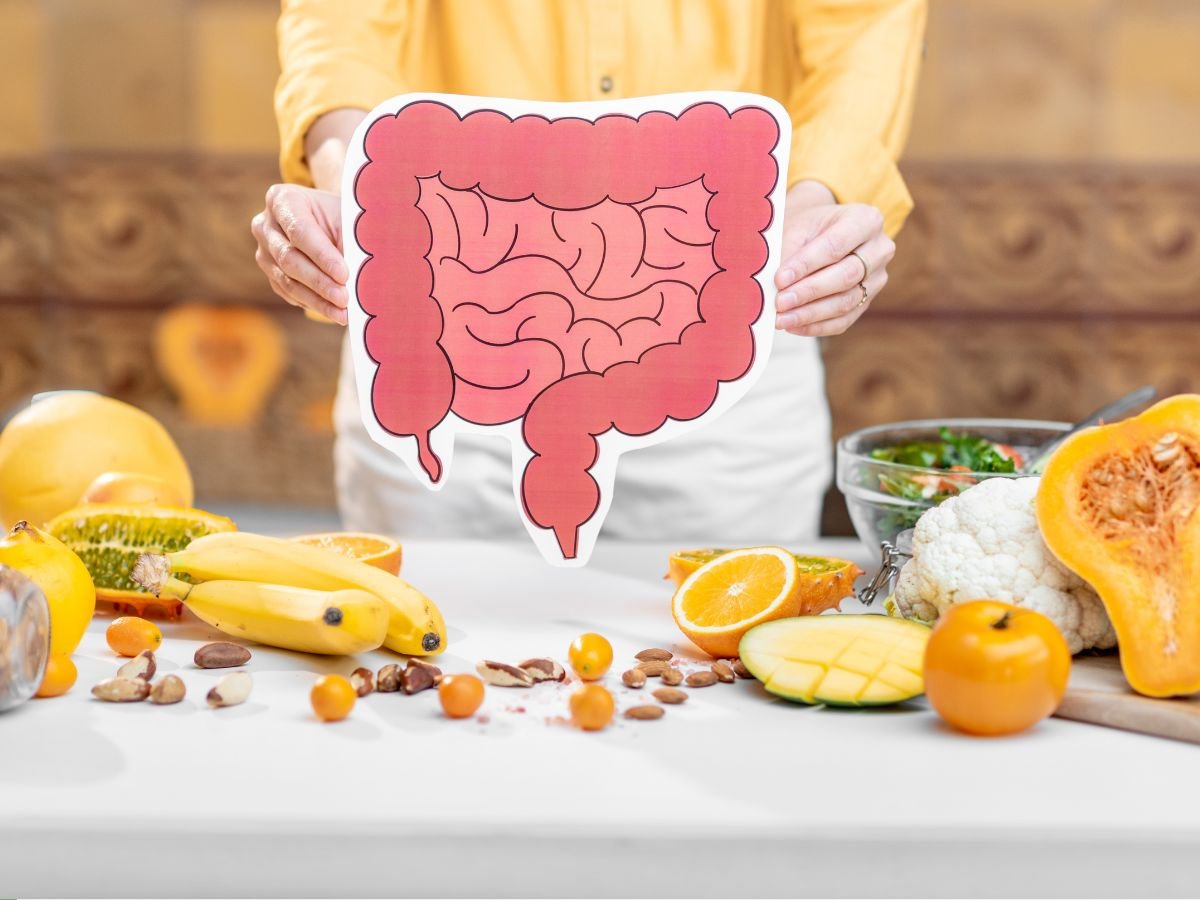
New Delhi, 16 October, 2025: Gut health plays a crucial role in overall well-being, impacting everything from digestion and immune function to mood and mental clarity. The gut is home to trillions of bacteria, which make up the microbiome—a complex ecosystem that influences various bodily functions. When the balance of these bacteria is disrupted, it can lead to digestive issues, inflammation, and even conditions like anxiety or depression.
Improving gut health doesn’t require drastic measures, but making small, consistent changes to your diet and lifestyle can have a significant impact. In this article, we’ll cover how you can improve your gut health in just seven days. This beginner’s guide offers simple, science-backed steps that anyone can implement, regardless of whether you’re new to gut health or looking for a quick reset.
1. Start Your Day with a Hydration Boost
The first step to improving your gut health is to hydrate. Water is essential for maintaining the health of the gut lining, which acts as a protective barrier against harmful pathogens. Proper hydration also supports the digestion of food and the absorption of nutrients. Without enough water, the digestive process can slow down, leading to constipation or bloating.
Tip for Day 1: Begin your day by drinking a glass of water as soon as you wake up. You can add a slice of lemon to boost digestion and promote detoxification. Aim to drink water consistently throughout the day, aiming for at least 8 glasses (about 2 liters).
2. Increase Your Fiber Intake
Fiber is a key player in gut health. It acts as a food source for beneficial gut bacteria, helping them thrive and promoting a balanced microbiome. Fiber also helps regulate bowel movements, preventing constipation and maintaining digestive health. There are two types of fiber—soluble and insoluble—both of which are beneficial for gut health.
- Soluble fiber (found in foods like oats, beans, and fruits) helps to feed beneficial gut bacteria and aids in digestion.
- Insoluble fiber (found in whole grains, vegetables, and seeds) adds bulk to stool and helps prevent constipation.
Tip for Day 2: Focus on incorporating more fiber-rich foods into your meals. For breakfast, try oatmeal topped with fruit and chia seeds. For lunch, have a salad filled with leafy greens, beans, and vegetables. Add a small serving of nuts or seeds as a snack.
3. Incorporate Probiotics into Your Diet
Probiotics are live beneficial bacteria that can help restore balance to your gut microbiome. They are found in fermented foods like yogurt, kefir, sauerkraut, kimchi, and miso. Probiotics promote the growth of good bacteria, aid in digestion, and support immune health.
While many people take probiotic supplements, it’s always best to get these bacteria from food sources. The variety of strains found in fermented foods can also offer additional benefits for gut health.
Tip for Day 3: Add a serving of probiotic-rich food to your diet. Start with a small bowl of plain yogurt, kefir, or a small portion of sauerkraut or kimchi with lunch or dinner. If you’re not a fan of fermented foods, try a daily probiotic supplement (consult your healthcare provider before doing so).
4. Cut Out Processed Foods and Sugar
Processed foods, sugary snacks, and artificial sweeteners can wreak havoc on gut health. High-sugar diets encourage the growth of harmful bacteria and yeast in the gut, which can lead to an imbalance in the microbiome. Additionally, processed foods often contain additives and preservatives that can irritate the gut lining, contributing to inflammation and digestive distress.
Tip for Day 4: Try eliminating processed foods, sugary snacks, and sugary drinks for the next week. Instead, focus on whole foods like vegetables, fruits, lean proteins, and whole grains. Opt for healthier snack options like nuts, seeds, or fruit instead of packaged foods.
5. Add Prebiotics to Your Meals
Prebiotics are non-digestible fibers that act as food for the beneficial bacteria in your gut. They help nourish and support the growth of good bacteria. Unlike probiotics, which are live bacteria, prebiotics can be found in a variety of plant-based foods like garlic, onions, leeks, asparagus, and bananas.
By including prebiotics in your diet, you’ll provide essential nutrients for your gut bacteria, supporting a healthier microbiome.
Tip for Day 5: Include prebiotic-rich foods in your meals. Add raw onions and garlic to salads or stir-fries, or have a banana with breakfast. You can also enjoy asparagus or leeks in a vegetable stir-fry or soup.
6. Reduce Stress Levels
Chronic stress can negatively affect gut health. Stress hormones like cortisol can alter the composition of the gut microbiome, increase gut permeability, and contribute to inflammation. Managing stress through relaxation techniques and lifestyle changes can have a direct impact on improving digestion and supporting overall gut health.
Tip for Day 6: Dedicate time to stress-reducing activities such as deep breathing exercises, meditation, yoga, or going for a walk outside. Even just 10-15 minutes of mindfulness can make a difference in how you feel and support your gut.
7. Sleep Well and Prioritize Rest
Sleep is essential for maintaining a healthy gut. During deep sleep, the body repairs itself, including the cells lining the digestive tract. Lack of sleep can disrupt the balance of gut bacteria, leading to digestive problems, inflammation, and a weakened immune system. Furthermore, poor sleep is often associated with increased stress, which we know can negatively affect gut health.
Tip for Day 7: Aim for 7-9 hours of quality sleep each night. Create a bedtime routine that helps you wind down, such as limiting screen time, practicing deep breathing, or reading a book. Try to go to bed and wake up at the same time each day to help regulate your body’s circadian rhythm.
8. Exercise Regularly
Physical activity has a positive effect on gut health. Regular exercise helps stimulate the digestive system, promoting healthy bowel movements and reducing symptoms like bloating and constipation. Exercise also supports a diverse gut microbiome, which is essential for good gut health. Studies have shown that people who engage in regular physical activity have more varied and balanced gut bacteria compared to those who are sedentary.
Tip: Aim for at least 30 minutes of moderate exercise most days of the week. You don’t have to hit the gym—simple activities like walking, yoga, or dancing can make a difference in your gut health.
9. Avoid Overuse of Antibiotics
While antibiotics are sometimes necessary for treating infections, they can disrupt the balance of the gut microbiome by killing both harmful and beneficial bacteria. Overuse or misuse of antibiotics can lead to issues like antibiotic resistance and an imbalance in the gut’s bacterial ecosystem.
If you’re prescribed antibiotics, it’s important to follow your healthcare provider’s instructions and avoid taking them unnecessarily. After completing an antibiotic course, it’s a good idea to support your gut health by consuming probiotic-rich foods or supplements to help restore the balance of good bacteria.
Tip: Only take antibiotics when prescribed by your doctor, and always finish the full course of treatment if prescribed. If you’re concerned about your gut health post-antibiotics, ask your healthcare provider about taking probiotics.
10. Incorporate Healthy Fats
Healthy fats, like those found in avocados, olive oil, and fatty fish, support the health of the gut lining and help reduce inflammation in the digestive system. Omega-3 fatty acids, in particular, found in fatty fish (like salmon, mackerel, and sardines) and flaxseeds, can improve gut barrier function and help reduce inflammation in the gut.
Tip: Add a serving of healthy fats to your meals. Try drizzling olive oil on salads, having a small portion of avocado with toast, or incorporating fatty fish into your diet a few times a week.
Conclusion
Improving your gut health in just seven days is entirely possible with a few simple, consistent changes to your diet and lifestyle. By hydrating properly, increasing your fiber intake, incorporating probiotics and prebiotics, managing stress, and prioritizing good sleep, you’ll create a foundation for a healthier gut. Keep in mind that while these tips will provide a quick gut health boost, lasting improvements require long-term consistency and balance.
Remember, everyone’s gut is different, so it’s important to listen to your body and make adjustments based on what works best for you. If you experience persistent gut issues, such as severe bloating, diarrhea, or constipation, it’s always a good idea to consult with a healthcare provider or a registered dietitian for personalized guidance.
By taking these small steps today, you’ll be well on your way to supporting your digestive system, boosting your overall health, and feeling your best!

















Leave a comment