


Visceral obesity, commonly known as belly fat, can have a significant impact on cardiovascular health. This type of fat is located deep within the abdominal cavity and surrounds vital organs, increasing the risk of heart disease. Let’s explore how reducing visceral obesity can help lower cardiovascular risk factors:
Visceral fat differs from subcutaneous fat (fat located just beneath the skin) and is associated with higher health risks. It releases inflammatory substances that can contribute to insulin resistance, high blood pressure, and abnormal cholesterol levels.
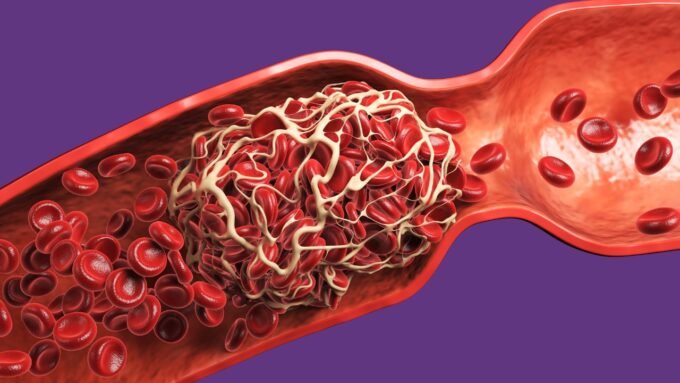
Visceral obesity has been strongly linked to an increased risk of cardiovascular diseases such as heart attacks, strokes, and heart failure. The excess fat can lead to the development of atherosclerosis (hardening of the arteries) and plaque build-up, narrowing the blood vessels and impeding blood flow.
Making healthy lifestyle changes is crucial in reducing visceral obesity and improving cardiovascular health. Here are some key strategies:
a. Balanced Diet:
Adopting a balanced diet that includes whole grains, lean proteins, fruits, vegetables, and healthy fats can help manage weight and reduce visceral fat accumulation.
b. Regular Exercise:
Engaging in regular physical activity, such as aerobic exercises, strength training, and high-intensity interval training, can aid in weight management and reduce visceral fat.
c. Stress Management:
Chronic stress can contribute to weight gain and visceral obesity. Practicing stress-reducing techniques like meditation, yoga, or engaging in hobbies can help manage stress levels.
d. Adequate Sleep:
Lack of sleep has been associated with weight gain and increased visceral fat. Aim for 7-9 hours of quality sleep each night to support overall health.
Regular check-ups and monitoring of health parameters such as blood pressure, blood sugar levels, and cholesterol levels are essential. This allows for early detection and management of risk factors associated with cardiovascular diseases.
Reducing visceral obesity plays a vital role in lowering cardiovascular risk factors. By adopting a healthy lifestyle that includes a balanced diet, regular exercise, stress management, and adequate sleep, individuals can improve their cardiovascular health and reduce the risk factors associated with visceral obesity.















Leave a comment