

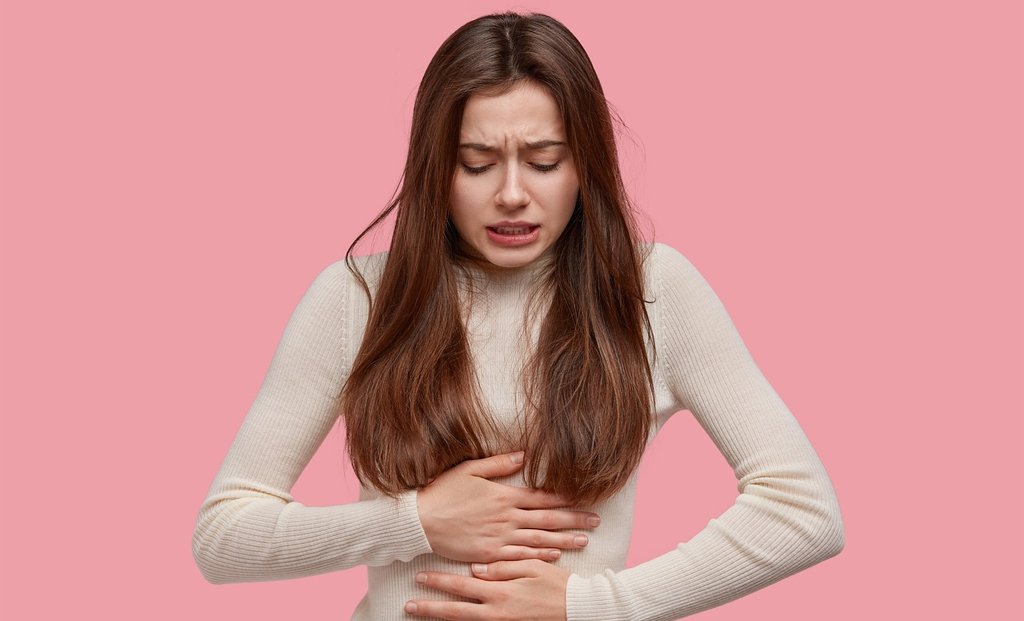
New Delhi, 16 August 2025: Stress isn’t just a mental health issue—it profoundly affects your body’s daily rhythms, especially your menstrual cycle. As many women can attest, periods don’t always run like clockwork. According to leading gynecologists, stress stands out as one of the most common disruptors of menstrual health.
From missing cycles to heavier flow or worsening PMS, understanding how stress throws your hormones off balance can help you manage your cycle more effectively. Below, we explore five key ways stress impacts menstruation and how to take proactive steps toward balance.
1. Missed or Delayed Periods
One of the most obvious effects of stress is a late or missed period. Stress activates your hypothalamus-pituitary-adrenal (HPA) axis, releasing cortisol and altering signals to regulate reproductive hormones. As a result:
- Ovulation may be skipped or delayed, causing missed or irregular periods.
- Persistent stress can lead to anovulatory cycles, where no egg is released, and you may experience no bleeding at all.
- Recovery requires reducing stress and allowing time for hormonal signals to realign.
If menses remain absent despite stress relief, a gynecological evaluation may be needed to rule out other issues.
2. Irregular or Skipped Ovulation
Stress doesn’t always completely suppress menstruation—it can simply disrupt ovulation. This leads to:
- Shorter or longer cycles, as ovulation timing becomes unpredictable.
- Mid-cycle spotting, even without a true period.
- Unpaired periods, where you’re bleeding but not ovulating, often due to hormone fluctuations from stress.
Tracking your cervical mucus or using ovulation predictor kits can help monitor cycles until the body’s rhythm returns.
3. Heavier or Lighter Flow Than Usual
Women under stress may notice changes in flow—either heavier or lighter than normal:
- Heavy periods (menorrhagia) may occur because estrogen levels remain high when progesterone production is delayed due to stress, leading to a thicker uterine lining.
- Light periods may happen if the lining doesn’t build up enough for normal shedding.
Both flow changes are your body’s signals that hormone cycling is disturbed. Increasing stress relief, sleep, and incorporating gentle exercise can help rebalance flow.
4. Longer or Shorter Cycle Lengths
Stress doesn’t only influence flow—it can change how long your cycle lasts:
- Shortened cycles (less than 21 days) may reflect lack of sufficient time between cycles for a healthy luteal phase.
- Prolonged cycles (more than 35 days) signal delayed ovulation or progesterone imbalance due to stress.
Keeping a cycle diary or using period tracking apps can help you notice trends and patterns as you implement stress-reducing strategies.
5. Worsened PMS and Physical Symptoms
Stress doesn’t just alter bleeding—it can amplify premenstrual symptoms, making them harder to manage:
- Increased cramping, bloating, and breast tenderness, worsened by elevated cortisol.
- Mood swings, irritability, anxiety, and fatigue can intensify, feeding back into stress.
- Spotting or intermenstrual bleeding may occur due to heightened inflammation and hormonal imbalance.
Combining nutritional support (like magnesium, B-vitamins, and omega-3s) with stress management can ease PMS burden.
Putting It All Together: Why Stress Disrupts Your Cycle
Here’s a simplified breakdown of how chronic stress impacts menstrual function:
- Stress triggers HPA axis activity, increasing cortisol levels.
- Cortisol suppresses the hypothalamus-pituitary-ovarian (HPO) axis, disrupting hormone production.
- Lower levels of GnRH, LH, FSH, estrogen, or progesterone impair ovulation and uterine preparation.
- This results in irregular, absent, or heavier periods and worsened PMS symptoms.
How to Restore Balance and Reclaim Your Cycle
1. Manage Stress Holistically
- Practice mindfulness or meditation to calm the HPA axis and lower cortisol.
- Engage in light/moderate exercise, like walking or yoga.
- Honor your body’s need for rest, especially before or during menstruation.
2. Prioritize Sleep
- Aim for 7–9 hours per night, as inadequate sleep disrupts hormone levels.
- Practice sleep hygiene: avoid screens before bed, keep your room cool, and wind down gently.
3. Support Nutrition
- Reduce sugar and processed food intake, which can spike cortisol.
- Incorporate whole-foods with magnesium, B-vitamins, healthy fats, and vitamin D.
- Stay hydrated—stress and estrogen shifts can alter fluid balance.
4. Track Your Cycle
- Use an app or journal to record symptoms, bleeding, mood, and flow.
- Reviewing your cycle data helps you notice long-term trends and self-manage signs of stress impact.
5. Connect with a Gynecologist
- If cycles don’t regulate after stress reduction efforts or are very painful, seek medical evaluations.
- They may recommend hormonal testing, ultrasounds, or treatments like cycle support or supplements.
How Stress Affects Your Menstrual Cycle
| Stress Effect | Menstrual Impact |
|---|---|
| Suppressed ovulation | Missed or delayed periods |
| Disrupted hormone cycle | Irregular cycle lengths, unexpected spotting |
| Imbalanced estrogen/progesterone | Heavier or lighter flow, prolonged bleeding |
| Heightened inflammation | Intensified PMS, cramps, mood shifts |
| Elevated cortisol | Overall hormone imbalance |
Your menstrual cycle is a mirror of overall health—particularly for stress. By understanding how chronic or acute stress can alter flow, timing, and symptoms, you empower yourself to notice problems early and respond effectively.
If you’re experiencing irregular cycles, heavier bleeding, or worsening PMS symptoms, start by reducing stress, improving sleep, and adjusting your diet. Monitor your cycle closely, and if symptoms persist, don’t hesitate to consult a gynecologist for personalized support.
Your body may be whispering—listen, respond, and reclaim your hormonal balance.
- cortisol and menstruation
- cycle tracking
- female hormone disruption
- gynecologist menstrual advice
- Hormonal Imbalance
- irregular periods causes
- menstrual cycle and mental health
- menstrual health tips
- missed periods due to stress
- PMS and anxiety
- stress and heavy periods
- stress and menstrual cycle
- stress effects on ovulation
- stress relief for hormonal balance
- women’s reproductive health
















Leave a comment