

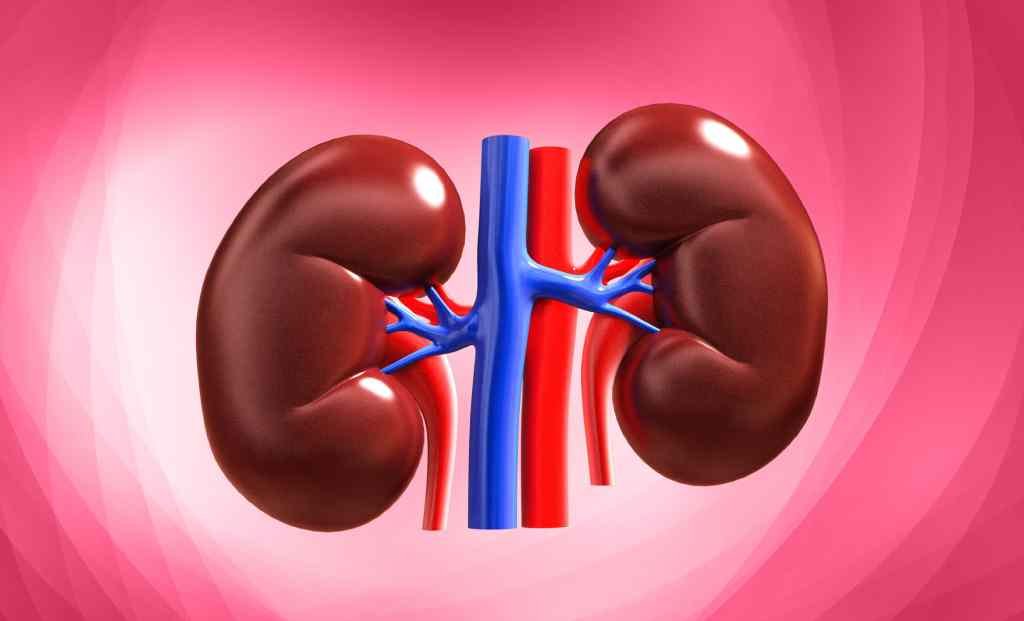
New Delhi, 16 August 2025: Chronic Kidney Disease (CKD) is a progressive medical condition where the kidneys gradually lose their ability to function properly over time. While the kidneys play a crucial role in filtering waste, balancing electrolytes, and regulating blood pressure, their decline can often go unnoticed until the damage is already severe. That’s why recognizing the early signs of CKD is essential for timely intervention and long-term health.
In this article, we will explore the warning signs of kidney disease, what they mean, and when to seek medical advice.
What Is Chronic Kidney Disease?
CKD is defined as lasting damage to the kidneys that impairs their function over a period of three months or longer. It can range from mild kidney damage in its early stages to complete kidney failure in later stages. Because the condition is progressive and often silent, early detection plays a crucial role in managing symptoms and slowing its progression.
10 Early Signs of Chronic Kidney Disease You Shouldn’t Ignore
1. Fatigue and Weakness
Kidneys are responsible for producing erythropoietin, a hormone that helps the body create red blood cells. As kidney function declines, the body may produce fewer red blood cells, leading to anemia. This causes a persistent feeling of fatigue, weakness, and lack of energy even after adequate rest.
2. Swelling in Feet, Ankles, or Hands
Kidneys help remove excess fluid from the body. If they are not working correctly, fluids can accumulate, leading to noticeable swelling—especially in the lower extremities. This type of swelling is often painless but persistent, and may worsen throughout the day.
3. Changes in Urination
Pay attention to any unusual changes in urination, such as:
- Increased or decreased frequency, especially at night
- Foamy or bubbly urine
- Dark-colored or reddish urine (a sign of blood)
- Pain or discomfort while urinating
- Difficulty starting or maintaining a urine stream
These symptoms could signal that your kidneys are not filtering properly.
4. Persistent Puffiness Around the Eyes
This is one of the more subtle signs. Puffiness, especially around the eyes in the morning, can indicate that protein is leaking into the urine, which is a symptom of early kidney damage.
5. Shortness of Breath
When kidneys fail to remove extra fluid, it can build up in the lungs, leading to breathlessness. Anemia caused by CKD can also reduce oxygen levels in the body, making it harder to breathe during everyday activities.
6. Dry and Itchy Skin
Healthy kidneys remove waste and maintain the right balance of minerals. If the kidneys are not functioning properly, it can lead to a build-up of toxins in the blood, causing dryness and itching. This may also be a sign of a mineral and bone disorder that often accompanies advanced kidney disease.
7. Loss of Appetite and Metallic Taste
A build-up of waste products in the blood (uremia) can cause food to taste metallic and lead to bad breath. This also suppresses the appetite, leading to unintentional weight loss and malnutrition over time.
8. Nausea and Vomiting
In the early to mid-stages of CKD, individuals may experience nausea or vomiting due to toxin accumulation in the bloodstream. This symptom, combined with a lack of appetite, contributes to significant weight loss and fatigue.
9. Muscle Cramps
Imbalances in electrolytes such as calcium, phosphorus, and potassium due to poor kidney function can result in frequent or severe muscle cramps. These cramps may occur without warning, especially at night.
10. High Blood Pressure
The kidneys regulate blood pressure by managing fluid balance and producing hormones. As they lose function, blood pressure may increase. High blood pressure, in turn, further damages the kidneys, creating a dangerous cycle.
Who Is At Risk for Chronic Kidney Disease?
Anyone can develop CKD, but certain factors increase your risk:
- Diabetes
- High blood pressure
- Family history of kidney disease
- Obesity
- Smoking
- Overuse of certain medications like painkillers
- Advanced age
Regular screening is especially important if you fall into any of these risk categories.
What Happens If CKD Is Left Untreated?
Without intervention, CKD can progress to end-stage renal disease (ESRD), where kidneys stop functioning completely. At this point, patients require dialysis or a kidney transplant to survive.
Other complications include:
- Cardiovascular disease
- Fluid retention leading to lung congestion
- Weak bones and increased fracture risk
- Fertility issues
- Anemia and fatigue
- Decreased quality of life
When Should You See a Doctor?
If you experience any combination of the symptoms mentioned above, especially along with known risk factors like diabetes or hypertension, it’s crucial to consult a healthcare provider. Early detection allows for effective management through:
- Blood and urine tests to measure kidney function
- Lifestyle changes (low-sodium diet, fluid balance)
- Medication to control blood pressure and blood sugar
- Regular monitoring to slow the disease progression
How to Protect Your Kidney Health
While some causes of CKD are genetic or unavoidable, many lifestyle changes can reduce your risk:
- Stay hydrated with clean water
- Avoid excessive salt and processed foods
- Manage blood pressure and blood sugar levels
- Exercise regularly
- Avoid smoking and limit alcohol intake
- Use medications wisely—never overuse painkillers or antibiotics
- Schedule routine kidney function tests if you’re at risk
Chronic Kidney Disease often advances silently, but the body gives subtle warnings long before it becomes critical. Being aware of these early signs of CKD—like fatigue, changes in urination, swelling, and skin issues—can make all the difference. Early diagnosis and timely lifestyle changes can help delay or prevent the need for dialysis and ensure a better quality of life.
Always listen to your body. If something feels off, don’t ignore it. Regular checkups, especially for those at higher risk, are a simple yet powerful tool in preventing long-term kidney damage.

















Leave a comment