Home International News Flesh-Eating Ulcer Cases Surge in Australia: Health Authorities Issue Warning
International NewsLatest News

Flesh-Eating Ulcer Cases Surge in Australia: Health Authorities Issue Warning

Share
Buruli ulcer
Buruli ulcer
Share

New Delhi, 23 December 2024: Health authorities in Australia have issued an urgent warning following a sharp increase in cases of Buruli ulcer, a flesh-eating bacterial infection that can cause severe tissue damage. The alarming rise in infections has been reported predominantly in Victoria, particularly in coastal regions, prompting a call for greater awareness and preventive measures.

What is Buruli Ulcer?

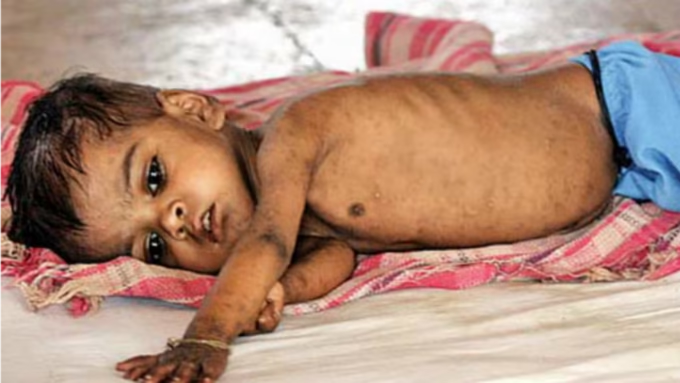
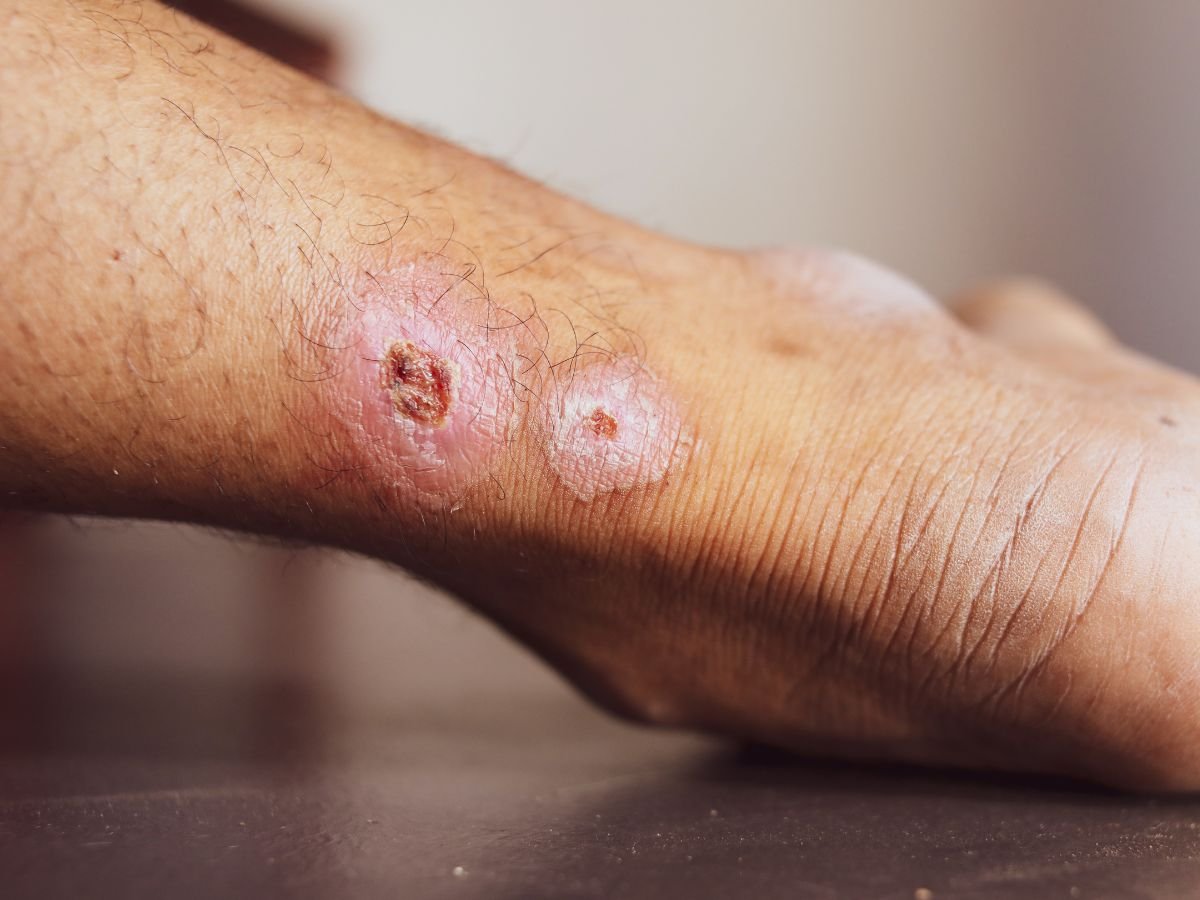
Buruli ulcer is a debilitating skin disease caused by the bacterium Mycobacterium ulcerans. The infection often begins as a painless swelling, lump, or nodule on the skin. If left untreated, it can progress to form large, open sores that destroy skin and underlying tissues. The disease is not directly contagious and is believed to be transmitted through environmental exposure, although the exact mode of transmission remains unclear.

Key characteristics of Buruli ulcer include:

Potential for permanent disfigurement or disability if untreated.

Painless initial swelling or redness.

Progressive damage to the skin and soft tissues.

Rising Cases in Victoria

Victoria has emerged as a hotspot for Buruli ulcer in recent years, with the Mornington Peninsula and Bellarine Peninsula identified as high-risk areas. Health officials have recorded a steady increase in cases, with reports indicating a significant uptick this year.

Experts attribute the rise to environmental factors, including:

Climate Conditions: Warmer and wetter weather may create favorable conditions for the bacteria to thrive.

Wildlife and Soil: Possums and other wildlife are suspected to play a role in spreading the bacteria through their feces.

    Residents and visitors in affected areas are urged to take precautions to minimize their risk of exposure.

    Symptoms of Buruli Ulcer

    Early detection of Buruli ulcer is crucial to prevent severe complications. Common symptoms include:

    Painless lumps, nodules, or swelling on the skin.

    Redness or skin discoloration in the affected area.

    Slow-developing open sores that do not heal.

      If you notice any of these signs, it’s essential to seek medical attention promptly for accurate diagnosis and treatment.

      Preventive Measures

      While the exact transmission pathway of Buruli ulcer is not fully understood, experts recommend the following steps to reduce the risk of infection:

      Avoid Direct Contact with Soil or Water: Especially in high-risk areas, wear protective clothing such as gloves and long sleeves when gardening or handling soil.

      Apply Insect Repellent: Use repellents containing DEET to protect against insect bites, as mosquitoes may play a role in spreading the bacteria.

      Maintain Hygiene: Clean and cover any cuts or abrasions promptly to minimize the risk of infection.

      Monitor Wildlife Activity: Avoid areas heavily populated by possums, and report any wildlife droppings in residential areas to local authorities.

      The surge in Buruli ulcer cases in Australia highlights the need for increased vigilance and public awareness. Health authorities are urging residents and visitors in high-risk areas to take preventive measures and seek medical attention at the first sign of symptoms. By staying informed and proactive, individuals can help curb the spread of this debilitating disease and protect their health.


      Share
      Written by
      kirti Shah

      Kirti is a Health Editor at Healthwire Media, specializing in health journalism and digital health communication. With over four years of experience in the healthcare media landscape, she is dedicated to transforming complex clinical data into accessible, patient-friendly information. Kirti oversees the editorial lifecycle of every article, ensuring they meet rigorous fact-checking standards and align with the latest guidelines from primary sources like the WHO and Ministry of Health. In her role, Kirti works closely with a panel of board-certified physicians and medical reviewers to ensure that every piece of content published is not only easy to understand but also medically accurate and safe for the public. She is passionate about health literacy and helping readers navigate their wellness journeys with confidence.

      Leave a comment

      Leave a Reply

      Your email address will not be published. Required fields are marked *

      Don't Miss

      Always Tired? It Could Be Anaemia!
      Diet & NutritionHealth NewsHealth TipsLifestyleLifestyle & WellnessWellness

      Anaemia in India: Why Iron Deficiency Remains a Concern and 7 Signs You Should Not Ignore

      Feeling tired all the time, experiencing frequent dizziness or getting breathless after climbing a few stairs? While these symptoms are often dismissed as...

      N95 Mask
      Health TipsLatest NewsLifestyle & WellnessWellness

      Does Wearing an N95 Mask Protect You From PM2.5 Pollution? Doctors Explain How To Choose And Wear It Correctly

      As air pollution continues to affect several Indian cities during winter, wearing a mask has become an important precaution for people stepping outdoors....

      Delhi Air Pollution
      Lifestyle & Wellness

      Can Air Pollution Cause Pneumonia? Doctors Explain How Poor AQI Affects Your Lungs This Winter

      Winter brings a familiar set of respiratory health concerns, from persistent coughing and throat irritation to breathing difficulties and chest infections. However, as...

      Diet & NutritionHealth TipsLatest NewsLifestyleLifestyle & WellnessWellness

      Weight Loss Diet: 10 Drinks That May Help You Lose Weight

      Losing weight is not just about eating healthy and exercising. What you drink during the day also matters. Some drinks can help you...

      Heart Attack
      Lifestyle & Wellness

      Diabetes and Heart Disease: Why High Blood Sugar Can Increase Your Risk of a Heart Attack

      Diabetes is often considered a condition that primarily affects blood sugar levels. However, its impact extends far beyond glucose regulation. Persistently high blood...

      Section title

      Related Articles
      Latest NewsWHO

      WHO Releases First-Ever Guidelines For Type 1 Diabetes In Adults: 5 Key Recommendations Explained

      The World Health Organization (WHO) has issued its first-ever guidelines for the...

      Health NewsLatest NewsLifestyle

      7 Simple Ways to Protect Yourself from Air Pollution

      Air pollution has become a major health concern today. Dust from construction...