

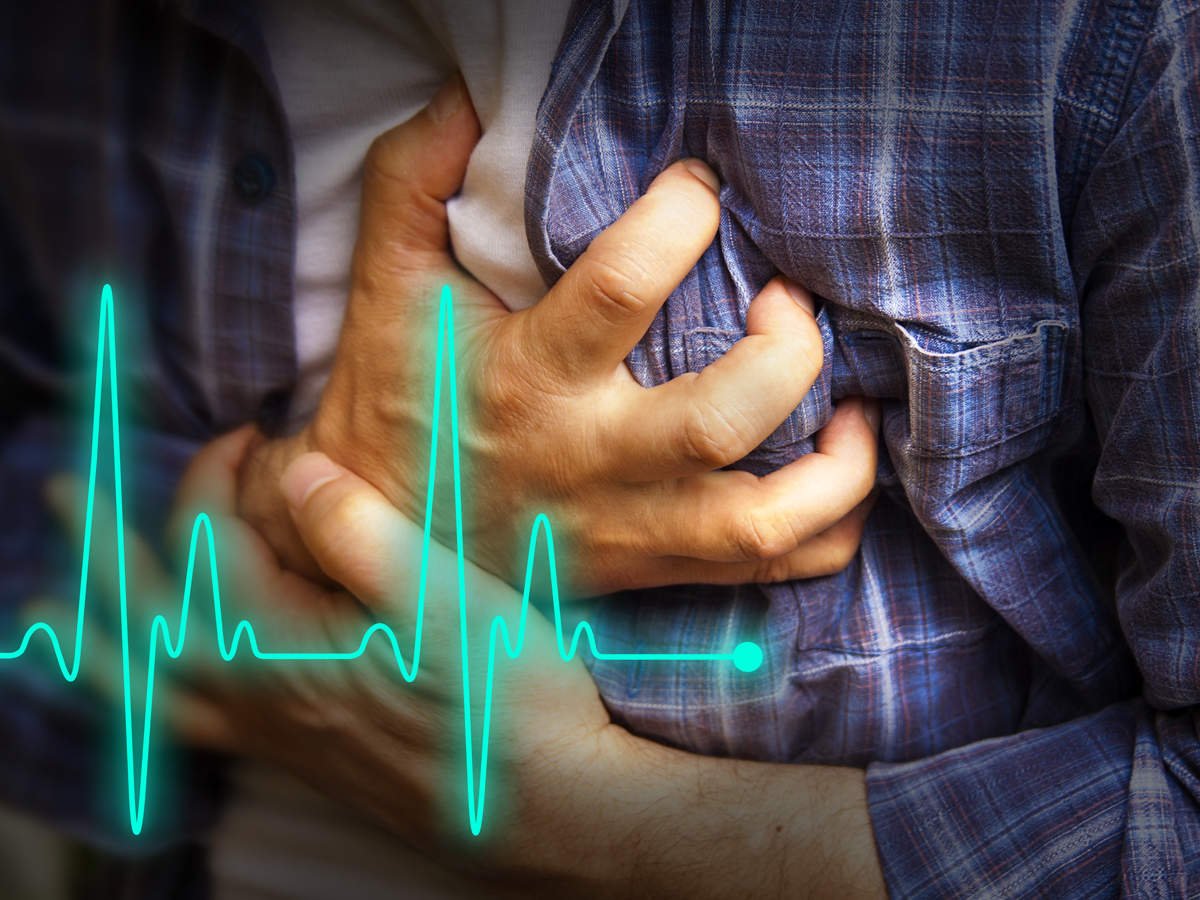
New Delhi, 23 December 2024: In a groundbreaking discovery, a new study has revealed that heart muscle can regenerate in some individuals with heart failure who have been implanted with artificial hearts. This finding offers renewed hope for patients with end-stage heart failure, suggesting that mechanical support devices may do more than just sustain life—they might also promote heart healing.
The Role of Artificial Hearts in Heart Failure
Artificial hearts, also known as left ventricular assist devices (LVADs), are mechanical pumps designed to aid failing hearts by taking over their pumping function. They are often used as a bridge to heart transplantation or as a long-term solution for patients who are not eligible for transplants.
While these devices have long been recognized for their ability to prolong life and improve quality of life, researchers have now found evidence that they may stimulate heart muscle regeneration in certain cases. This unexpected outcome could redefine the role of LVADs in treating heart failure.
Study Highlights Heart Muscle Recovery
The study, conducted by a team of cardiologists and published in a leading medical journal, involved analyzing the heart tissue of patients with LVADs. Key findings include:
Regeneration in Select Cases: In some patients, heart muscle cells, or cardiomyocytes, showed signs of regeneration and improved function over time.
Reduction in Fibrosis: Researchers observed a decrease in scar tissue, or fibrosis, which is typically associated with chronic heart failure.
Improved Heart Function: Patients with evidence of regeneration experienced better cardiac performance, suggesting partial recovery of their heart’s pumping ability.
These findings were particularly significant in patients who had been on LVAD support for extended periods.
Potential Mechanisms Behind Regeneration
Scientists believe that the mechanical unloading of the heart by LVADs might create conditions conducive to healing. By reducing the workload on the failing heart, these devices may:
Alleviate stress on cardiomyocytes, allowing them to recover.
Promote better oxygenation and nutrient delivery to the heart tissue.
Stimulate molecular pathways that encourage cell repair and regeneration.
Further research is needed to fully understand the mechanisms and identify which patients are most likely to benefit.
Implications for Heart Failure Treatment
The discovery of heart muscle regeneration in LVAD patients has profound implications for the management of heart failure. It raises the possibility that mechanical support devices could be used not only as a temporary solution but also as a therapeutic tool to restore heart health.
Improved Outcomes: For patients who experience regeneration, the need for heart transplantation could be delayed or even avoided.
Personalized Treatment: Identifying biomarkers that predict regeneration could help tailor treatment plans to maximize recovery potential.
The study’s revelation that heart muscle can regenerate in some patients with artificial hearts marks a significant advancement in cardiac medicine. While more research is needed to understand the underlying mechanisms and broaden its applicability, this discovery offers new hope for individuals battling end-stage heart failure. With continued innovation and exploration, the future of heart failure treatment looks increasingly promising.













Leave a comment