

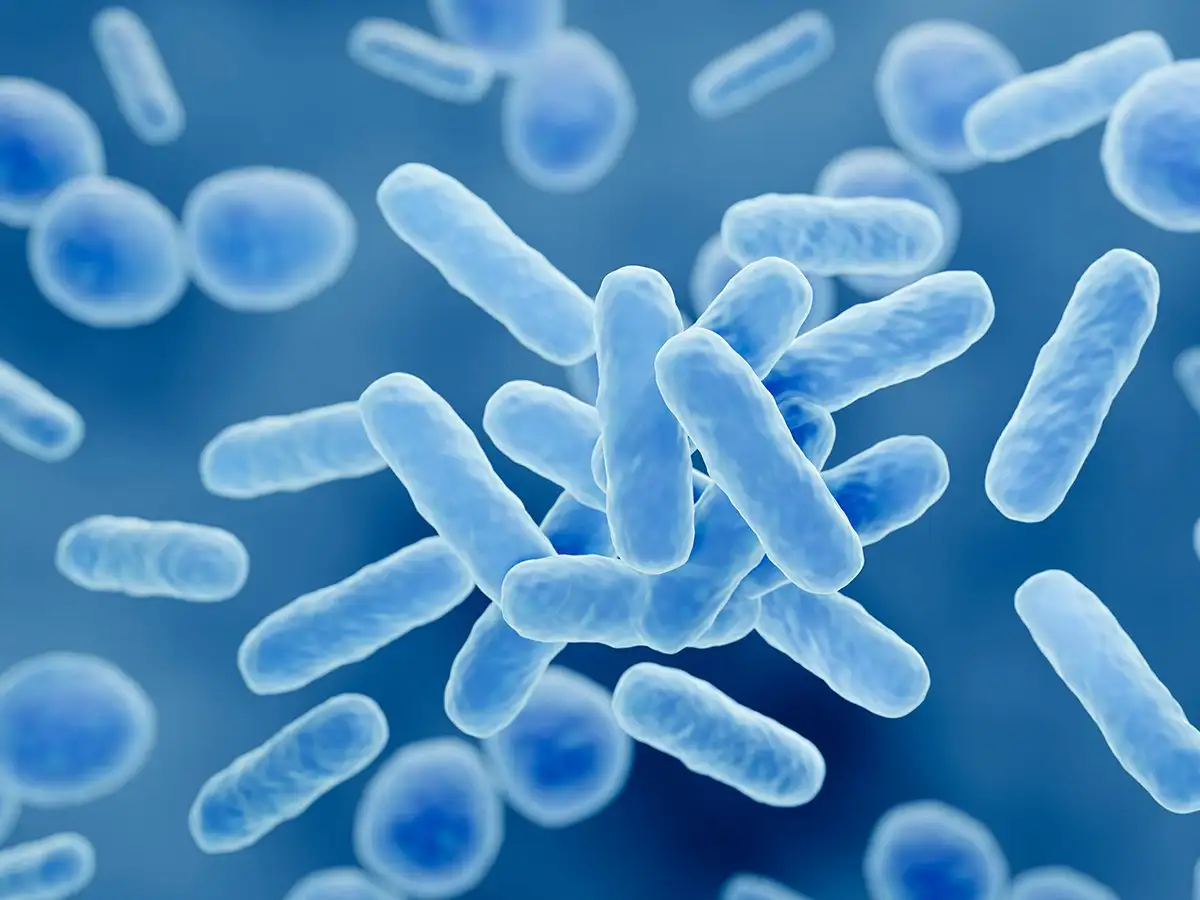
New Delhi, 24 November 2024: Probiotics, often called ‘good bacteria,’ have been receiving increasing attention due to their numerous health perks. Recent studies point out that taking probiotics before giving birth can significantly shield both mothers and their babies from harmful exposures. This article delves into why this trend is gaining traction, the science behind it, and some practical tips for expectant mothers.
The Importance of Probiotics
Probiotics are live microorganisms that, if consumed in the right amounts, can provide health benefits. They are essential for maintaining gut health, boosting immune function, and reducing inflammation. For pregnant women, these advantages are especially vital as they face various physical and emotional challenges during this period.
Protecting Against Toxic Exposures
One of the most striking findings from recent research is that probiotics might help lessen the impact of environmental toxins. Pregnant women often come into contact with harmful substances like pollutants, chemicals, and heavy metals. Studies suggest that probiotics can support the body’s detoxification processes, thus minimizing potential harm from these toxins to the developing baby.
The Role of Gut Health in Pregnancy
Maintaining gut health is crucial during pregnancy, as it affects nutrient absorption and immune function. Probiotics can help ensure a balanced gut microbiome, which is important for the overall health of both mom and baby. A thriving gut flora can improve digestion, lower the risk of gestational diabetes, and reduce the chances of preterm labor. By adding probiotics to their diet, expectant mothers can boost their pregnancy experience.
Scientific Evidence Supporting Probiotics
Several studies have underscored the benefits of probiotics for pregnant women. For instance, research featured in the Journal of Maternal-Fetal & Neonatal Medicine revealed that women who included probiotics in their diet showed lower levels of inflammation and better immune responses. Additionally, these women reported fewer pregnancy-related complications, reinforcing the idea that probiotics could be a valuable asset to prenatal care.
Recommendations for Expectant Mothers
Expectant mothers interested in probiotics should focus on the right strains. Lactobacillus and Bifidobacterium are well-researched strains known for their health benefits. They can be found in various fermented foods like yogurt, kefir, sauerkraut, and kombucha. While probiotic supplements are an option, it’s essential to talk to a healthcare provider before starting any new supplement routine.
Timing Matters: When to Start Taking Probiotics
When you start taking probiotics can affect how well they work. Research indicates that beginning probiotics before conception and continuing through pregnancy can yield the best outcomes. This proactive approach can prepare the body for the demands of pregnancy and improve overall health for both mother and child.
Potential Risks and Considerations
While most people find probiotics safe, pregnant women should be aware of possible risks. Some may experience mild digestive issues when they first add probiotics to their diet. Additionally, not all strains are appropriate for pregnant women, so it’s important to select products specifically made for them.
To end with, the evidence supporting the use of probiotics before childbirth is compelling. As research continues to advance, the benefits of probiotics in pregnancy could shape new guidelines that prioritize the well-being of both mothers and their children.















Leave a comment