


New Delhi, 06 July 2025: A tragic incident has sent shockwaves through a community after a Class 7 student collapsed at the school gate and died of what doctors later identified as a silent heart attack. The young boy, just 12 years old, reportedly showed no major warning signs before the sudden collapse, raising serious concerns about the growing number of cardiac-related deaths among children and adolescents.
The Incident: Sudden Collapse, No Prior Warning
The student had reportedly walked to school like any other day. As he approached the school entrance, CCTV footage captured him staggering slightly before falling to the ground. Despite quick action by teachers and school staff, and prompt medical attention, he was declared dead on arrival at a nearby hospital. Medical professionals later confirmed a silent myocardial infarction—commonly known as a silent heart attack—as the cause of death.
What Is a Silent Heart Attack?
Unlike classic heart attacks that involve sharp chest pain or shortness of breath, silent heart attacks often present with subtle or no noticeable symptoms. They can go undetected until they become fatal, especially in young people who are not typically seen as being at risk for cardiovascular issues. In children, these incidents are extremely rare but are now being reported more frequently than in previous decades.
Rising Cardiac Events in Children: A Cause for Alarm
Health experts have been observing a slow but disturbing trend: cardiac events, including heart attacks and arrhythmias, are now being diagnosed in teenagers and even pre-teens. Several possible factors may be contributing to this trend:
- Genetic heart conditions such as hypertrophic cardiomyopathy or congenital heart defects
- Childhood obesity, which puts extra strain on the heart and can accelerate arterial plaque formation
- Sedentary lifestyles, poor dietary habits, and increasing screen time
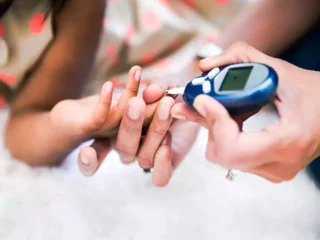
- Undiagnosed medical conditions like Type 1 diabetes, high blood pressure, or cholesterol imbalances
- Stress and lack of sleep, especially among children under academic pressure
Warning Signs That Often Go Unnoticed in Kids
Unlike adults, children may not be able to clearly express discomfort or symptoms. However, parents and teachers should be vigilant if a child frequently complains of:
- Dizziness or fainting, especially during physical activity
- Persistent fatigue or breathlessness
- Unexplained nausea or vomiting
- Chest tightness or pain (even if mild or sporadic)
- Palpitations or a racing heartbeat
In many cases, these symptoms are brushed off as harmless or attributed to stress or anxiety, delaying crucial intervention.
Should Children Be Screened for Heart Problems?
Pediatric cardiologists suggest that early screening—especially for children with a family history of heart disease or those who are overweight—could make a difference. Basic tests like ECG (electrocardiogram), 2D Echo, and lipid profiles may help detect underlying conditions early. Annual physical exams, particularly before resuming intense sports or physical activity, should also include basic cardiac checks.
Expert Advice for Parents and Schools
To minimize the risk of such tragedies, doctors recommend:
- Encouraging regular physical activity and balanced nutrition in children
- Monitoring screen time and sleep schedules
- Keeping an eye on emotional stressors, including academic or social pressure
- Ensuring schools are equipped with first-aid kits, trained staff, and AEDs (automated external defibrillators)
- Scheduling routine health checkups, especially if the child complains of fatigue, breathlessness, or chest discomfort
The heartbreaking death of a Class 7 student from a silent heart attack is a sobering reminder that cardiac health is no longer just an adult issue. Parents, schools, and the healthcare system must work together to ensure that children are not only physically active and nutritionally supported but also medically monitored when necessary. Recognizing the early signs and acting proactively can help prevent such devastating losses in the future.















Leave a comment