

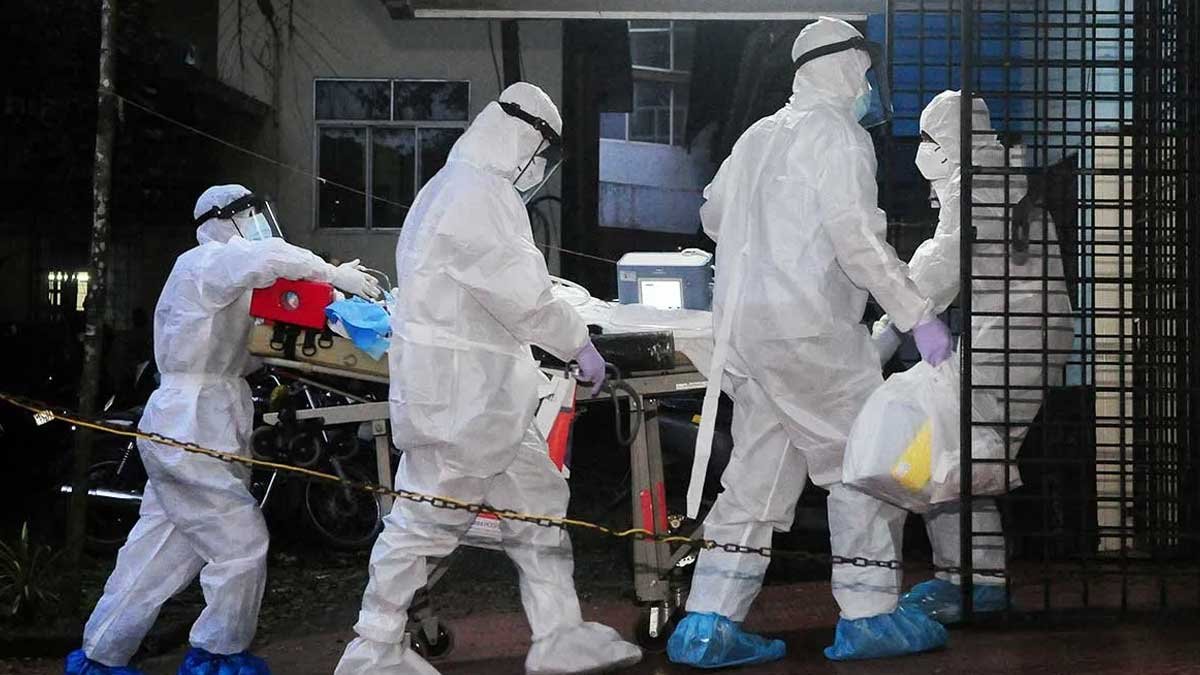
New Delhi, 07 July 2025: Kerala is once again on high alert after fresh cases of the deadly Nipah virus have been confirmed in the state, triggering widespread concern among health authorities and the public. As of now, at least 425 people have been placed under surveillance to prevent the spread of the infection, which is known for its high fatality rate and lack of specific treatment or vaccine. The health department has sprung into action with contact tracing, isolation protocols, and public advisories to control the outbreak and avoid community transmission.
What Is the Nipah Virus?
The Nipah virus (NiV) is a zoonotic virus transmitted from animals such as bats and pigs to humans, but it can also spread through human-to-human contact. It was first identified in 1998 in Malaysia and has since caused several deadly outbreaks in South Asia, including multiple in India. The virus can cause a range of illnesses, from mild flu-like symptoms to acute respiratory distress and fatal encephalitis (inflammation of the brain). What makes it particularly dangerous is its long incubation period and the rapid onset of severe symptoms in some patients.
Current Situation in Kerala
The latest outbreak was detected after a few individuals presented with symptoms such as high fever, vomiting, and altered mental status. Confirmatory tests by the National Institute of Virology revealed the presence of Nipah virus in one of the deceased patients, prompting immediate containment measures. The government has identified close contacts of the infected individuals, most of whom are healthcare workers, family members, and other people from the local community. All 425 individuals under surveillance are being monitored closely, and those showing symptoms have been isolated for observation and testing.
How the Virus Spreads
Nipah is primarily transmitted through contact with infected bodily fluids. In past outbreaks, the source was traced back to fruit bats contaminating food sources like raw date palm sap or fruits. Secondary transmission occurs through close contact with infected people, especially in healthcare settings. This makes early detection and isolation crucial. Medical professionals have emphasized that simple acts such as using the same utensils, caring for the sick, or even touching contaminated surfaces can increase the risk of infection if precautions are not taken.
Symptoms to Watch For
The symptoms of Nipah virus infection often start with:
- Fever
- Headache
- Muscle pain
- Drowsiness
- Respiratory distress
In severe cases, it can rapidly progress to encephalitis, seizures, and coma. The mortality rate ranges between 40% to 75%, depending on the quality of care and how early it is administered. What’s concerning is that the virus often mimics symptoms of other common illnesses in the early stages, leading to delays in diagnosis.
Kerala’s Response and Containment Strategy
The state government has activated rapid response teams and zoned off the affected areas. Field workers have been deployed for active surveillance and contact tracing, while mobile testing labs and isolation wards have been set up in designated hospitals. Schools in the affected zones have been temporarily closed, and public gatherings are being discouraged. The government has also urged residents to avoid consuming fruits that may have been partially eaten by animals and to maintain high standards of personal hygiene.
Advice to the Public
Health authorities have issued the following guidelines to minimize risk:
- Avoid contact with sick individuals and animals
- Do not consume raw or fallen fruits
- Refrain from visiting hospitals unless absolutely necessary
- Use masks and practice hand hygiene
- Stay informed via verified government health updates
Anyone experiencing fever, severe headache, or confusion—especially if they’ve had contact with a suspected or confirmed case—should seek immediate medical attention.
While Kerala has handled Nipah outbreaks in the past with efficiency and transparency, the reemergence of the virus underscores the need for constant vigilance. With 425 people already under watch and more being identified, the next few days are critical. Public cooperation, quick medical response, and strict surveillance will be essential to prevent this deadly virus from escalating into a broader health crisis.

















Leave a comment