


We all know that intermittent fasting has been the talk of the town for its commendable health advantages like weight loss. It’s all about setting a cycle between eating and fasting, using methods like 16/8 timing or alternate day fasting. While its benefits remain celebrated, the impact on heart health is a debatable topic. However, a recent study has stated that following intermittent fasting for a long time can put an individual at risk of suffering
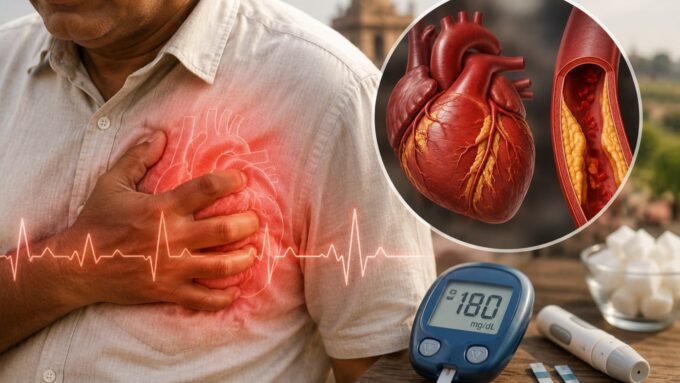
So, let’s dig deep. When it comes to intermittent fasting and heart health, a variety of studies have presented mixed results. Some have found that it can better your cardiovascular condition. How? By triggering weight reduction, cutting inflammation, and enhancing blood sugar and cholesterol levels, which are all crucial influencers of heart health.
But wait, it’s not all roses. A few eyebrow-raising risks associated with intermittent fasting also exist. For instance, if folks aren’t careful about eating right during non-fasting periods, they could face a lack in essential nutrients. Such imbalances can become a roadblock for proper heart functionality.
Not just that, intermittent fasting can also mess with stress hormones like cortisol. If you’re fasting for too long or not eating enough, your body may produce more of these hormones which may have detrimental effects on the heart, potentially leading to blood pressure and heart diseases.
But does that mean you should bid adieu to intermittent fasting? Not necessarily. It’s all about balancing, folks. If you’re into intermittent fasting, make sure you’re eating a nutrient-rich diet when you break your fast. Load up on fruits, veggies, whole grains, lean proteins, and healthy fats to support overall well-being, not neglecting the heart health.
Apart from this, keep a watchful eye on your heart health if you have adopted intermittent fasting as part of your lifestyle. Regular health check-ups can be beneficial to assess important heart health aspects like blood pressure, cholesterol levels, and heart function. It’s better to be proactive, right?
So, to sum it up – intermittent fasting could be a health booster, but use it with caution, especially about heart health. Strike a balance between reaping its benefits like weight loss and maintaining good nutrition while keeping tabs on heart health. It’s all about balance. So, fast wisely and keep your heart health in check!













Leave a comment