


New Delhi, 03 December 2024: A mysterious and deadly disease known as “Bleeding Eye Fever” has claimed the lives of at least 15 people in Rwanda, sparking widespread concern among citizens and global health authorities. This highly fatal disease, which derives its name from one of its most striking symptoms—bleeding from the eyes—has prompted an urgent advisory from Rwanda’s Ministry of Health. The outbreak highlights the critical need for immediate containment measures to prevent further spread.
What Is ‘Bleeding Eye Fever’?
“Bleeding Eye Fever,” although not officially named by the World Health Organization (WHO), is believed to share characteristics with viral hemorrhagic fevers such as Marburg virus or Ebola. These diseases are known for their high fatality rates, rapid transmission, and severe symptoms.
Common symptoms of the disease include:
High fever
Intense fatigue
Bleeding from eyes, nose, and other orifices
Severe abdominal pain
Vomiting and diarrhea, sometimes with blood
Experts speculate that the disease may have zoonotic origins, transmitted to humans through contact with infected animals or contaminated environments.
The Current Situation in Rwanda
The outbreak, which began in a remote district of Rwanda, has caused alarm due to its rapid spread and high mortality rate. The affected region has been placed under quarantine, and health officials are working to trace contacts of infected individuals.
Rwanda’s health ministry has issued an advisory urging people to:
Avoid contact with sick individuals or animals.
Report any unusual symptoms to local health authorities.
Practice rigorous hygiene, including frequent handwashing with soap and water.
The government has also established isolation centers in the affected areas and deployed healthcare workers to manage the outbreak.
How the Disease Spreads
Bleeding Eye Fever, like many viral hemorrhagic fevers, spreads through direct contact with bodily fluids of an infected person or contaminated surfaces. Healthcare workers, caregivers, and family members of infected individuals are particularly at risk due to close contact.
Secondary transmission can occur if proper protective measures are not followed. Early diagnosis and isolation of patients are critical to breaking the chain of transmission.
Global Concerns and WHO’s Response
The World Health Organization (WHO) has been notified of the outbreak and is closely monitoring the situation. While there is no evidence yet of international spread, the WHO has urged neighboring countries to heighten surveillance and strengthen their preparedness.
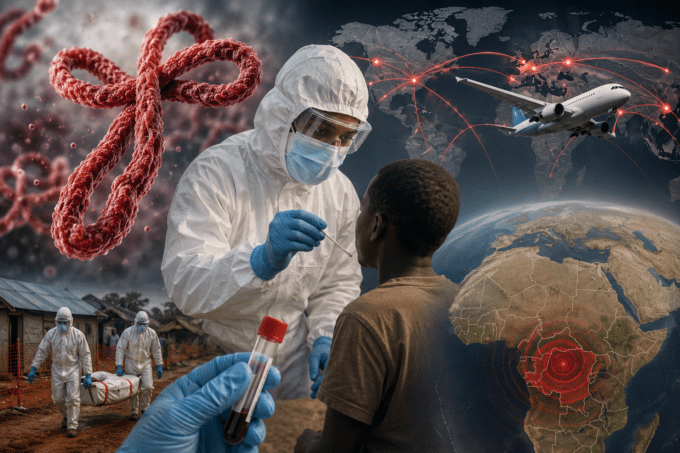
Global health experts are concerned about the potential for the disease to spread to urban centers or across borders, which could lead to a public health emergency similar to past outbreaks of Ebola.
Challenges in Containing the Outbreak
Containing the Bleeding Eye Fever outbreak presents significant challenges:
Lack of Diagnostic Facilities: Rwanda’s healthcare system has limited capacity for diagnosing and managing such outbreaks, leading to delayed identification and response.
Cultural Practices: Traditional funeral rites, which may involve close contact with the deceased, could facilitate the spread of the virus.
Resource Constraints: Personal protective equipment (PPE), isolation units, and trained healthcare workers are in short supply in affected regions.
Potential Implications for Public Health
If the outbreak is not controlled promptly, it could have devastating consequences, including:
Strain on Rwanda’s healthcare infrastructure.
Fear and panic among the public, leading to stigmatization of affected families.
Economic consequences due to reduced travel and trade in affected areas.
The outbreak also underscores the need for global investment in epidemic preparedness, particularly in low-income countries vulnerable to such diseases.
Health authorities in Rwanda and internationally are urging individuals to take the following precautions:
Avoid Contact: Steer clear of anyone showing symptoms of high fever or unexplained bleeding.
Practice Hygiene: Wash hands frequently with soap and use alcohol-based sanitizers.
Seek Medical Help Early: Early diagnosis improves survival rates and prevents the spread of the disease.
Follow Official Guidelines: Adhere to quarantine measures and report suspected cases immediately.
Lessons From Previous Outbreaks
Past outbreaks of hemorrhagic fevers like Ebola and Marburg have demonstrated that swift action, international cooperation, and community engagement are key to controlling such diseases. Ensuring the availability of diagnostic tools, protective gear, and trained personnel is essential for mitigating the spread.
The Bleeding Eye Fever outbreak in Rwanda is a stark reminder of the unpredictability and severity of emerging infectious diseases. While Rwanda’s health ministry is working diligently to contain the situation, international support will be crucial in combating this deadly disease.
Countries in the region must bolster their surveillance systems and share resources to prevent the disease from spreading further. Additionally, the global community should invest in research and development for vaccines and treatments for rare and deadly pathogens.
Rwanda’s tragedy highlights a universal truth: infectious diseases know no borders. Collaboration, vigilance, and preparedness are essential to safeguarding global health in the face of such threats.














Leave a comment