

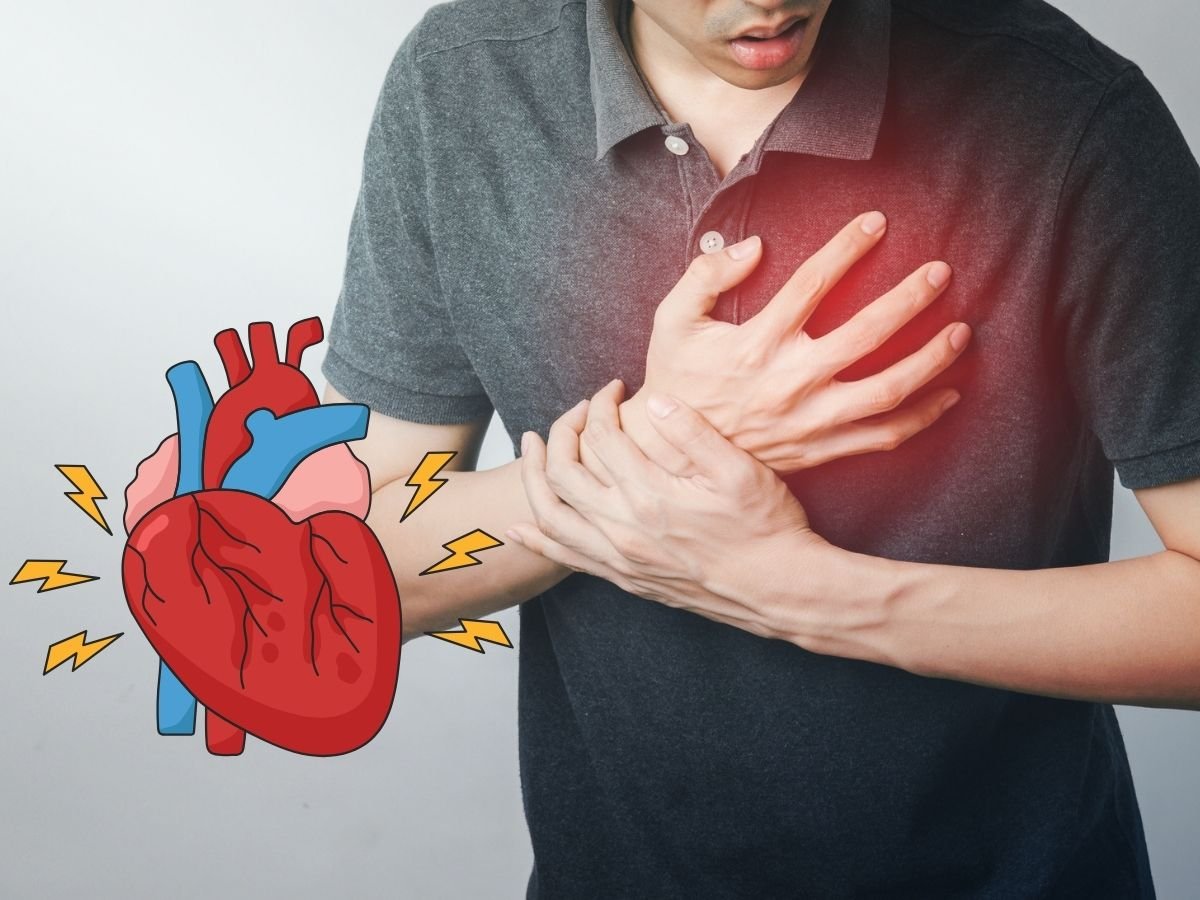
New Delhi, September 29: The World Heart Day 2024 is commemorated with a powerful call to “Use Heart for Action”. This emphasizes the urgency of raising awareness on heart health and accelerating actions to prevent, detect early, and manage cardiovascular diseases (CVDs). Cardiovascular diseases remain a significant global health challenge responsible for over 18 million deaths each year. The burden is particularly heavy in the WHO South-East Asia Region, where CVDs account for 3.9 million deaths annually, primarily due to heart attacks and strokes. This represents 30% of all deaths in the region, with nearly half of these occurring prematurely, before the age of 70 years.
The primary causes of this high burden include modifiable lifestyle practices such as tobacco use, unhealthy diets, particularly those high in salt, physical inactivity, and alcohol consumption. In addition, drug treatment of hypertension, diabetes and high lipids are necessary to reduce acute events of CVDs. In the South-East Asia Region, one in four adults has raised blood pressure, and one in ten has diabetes. Alarmingly, less than 15% of people living with hypertension and diabetes are on effective treatment.
Understanding Hidden Heart Health Warning Signs
As we mark The World Heart Day, it is crucial to shed light on the hidden warning signs that often go unnoticed but can indicate potential heart problems. Here are a few that must never be ignored:
Fatigue and Shortness of Breath
One of the subtle signs of underlying heart issues is persistent fatigue and unexplained shortness of breath. Individuals experiencing excessive tiredness even after adequate rest or struggling to catch their breath with minimal exertion should not overlook these symptoms. Such indicators could point towards a compromised heart function that requires medical attention.
Chest Discomfort
While chest pain is a well-known symptom of a heart attack, not all heart-related issues manifest in severe pain. Some individuals may experience discomfort, pressure, or a squeezing sensation in the chest that comes and goes. Ignoring such subtle signs can be dangerous, as they might indicate an impending cardiac event.
Irregular Heartbeat
Palpitations or irregular heartbeat patterns should not be dismissed as mere anxiety or stress. These palpitations, fluttering sensations, or skipped beats could signify an underlying heart rhythm disorder that needs evaluation by a healthcare professional. Monitoring and addressing irregular heartbeats promptly can prevent potential complications.
Poor Diet Choices
Consuming a diet high in saturated fats, cholesterol, and sodium can significantly impact heart health. Processed foods, sugary beverages, and excessive salt intake contribute to elevated blood pressure, cholesterol levels, and weight gain, increasing the risk of heart diseases. Opting for a balanced diet rich in fruits, vegetables, whole grains, and lean proteins is essential for maintaining a healthy heart.
Sedentary Lifestyle
Leading a sedentary lifestyle devoid of regular physical activity poses a significant risk to heart health. Lack of exercise can lead to weight gain, weakened cardiovascular fitness, and higher cholesterol levels. Engaging in regular exercise routines, such as brisk walking, cycling, or swimming, can improve heart function, circulation, and overall well-being.
Stress and Mental Health
Chronic stress, anxiety, and poor mental health can adversely affect heart health. Prolonged stress triggers the release of cortisol and adrenaline, leading to increased blood pressure and heart rate. Practicing stress-reduction techniques, seeking therapy, and prioritizing mental well-being are crucial steps in safeguarding heart health.
What Is WHO Planning To Do?
Endorsed by the Seventy-sixth Regional Committee in 2023, the Region is committed to implement the Resolution ‘SEAHEARTS Accelerating prevention and control of cardiovascular diseases in the South-East Asia Region,’ which urges countries to reach the milestones related to reducing risk factors such as tobacco control, salt reduction, and elimination of trans-fatty acids, with efforts to improve the coverage and control of hypertension and diabetes in primary health care, by 2025. Being one of the world’s largest expansions of CVD prevention and control in primary health care, SEAHEARTS initiative aligns well with the World Heart Day theme.
In this background, on the World Heart Day, WHO South-East Asia Region calls for action in several important areas:
First, people must be at the heart of action in every intervention planned and implemented. This includes empowering individuals for adopting healthy lifestyles. Simple steps such as quitting tobacco, reducing salt intake, eating a balanced diet, being less sedentary, and managing stress can significantly reduce the risk of CVD.
Second, national governments need to prioritize actions for creating enabling environments by implementing and enforcing policies for reduction of trans fats in food supplies, strengthen tobacco control laws, and promote initiatives to reduce salt intake.
Third, high-quality and effective primary health care is crucial for the prevention and management of CVDs. Strong leadership and commitment are needed from countries to scale up essential services for screening, early detection, and management of hypertension, diabetes, high lipid profiles in primary health care that is available, accessible, and acceptable. Countries need to demonstrate impact through utilizing digital solutions for better coverage and control rates.
Fourth, Regional and global collaboration is essential to share good practices, mobilize resources, and ensure that all countries have the essential support to address the burden of CVDs. There is need to strengthen partnerships among stakeholders such as governments, NGOs, and the private sectors for reducing complications and improving acute management of CVDs.














Leave a comment