

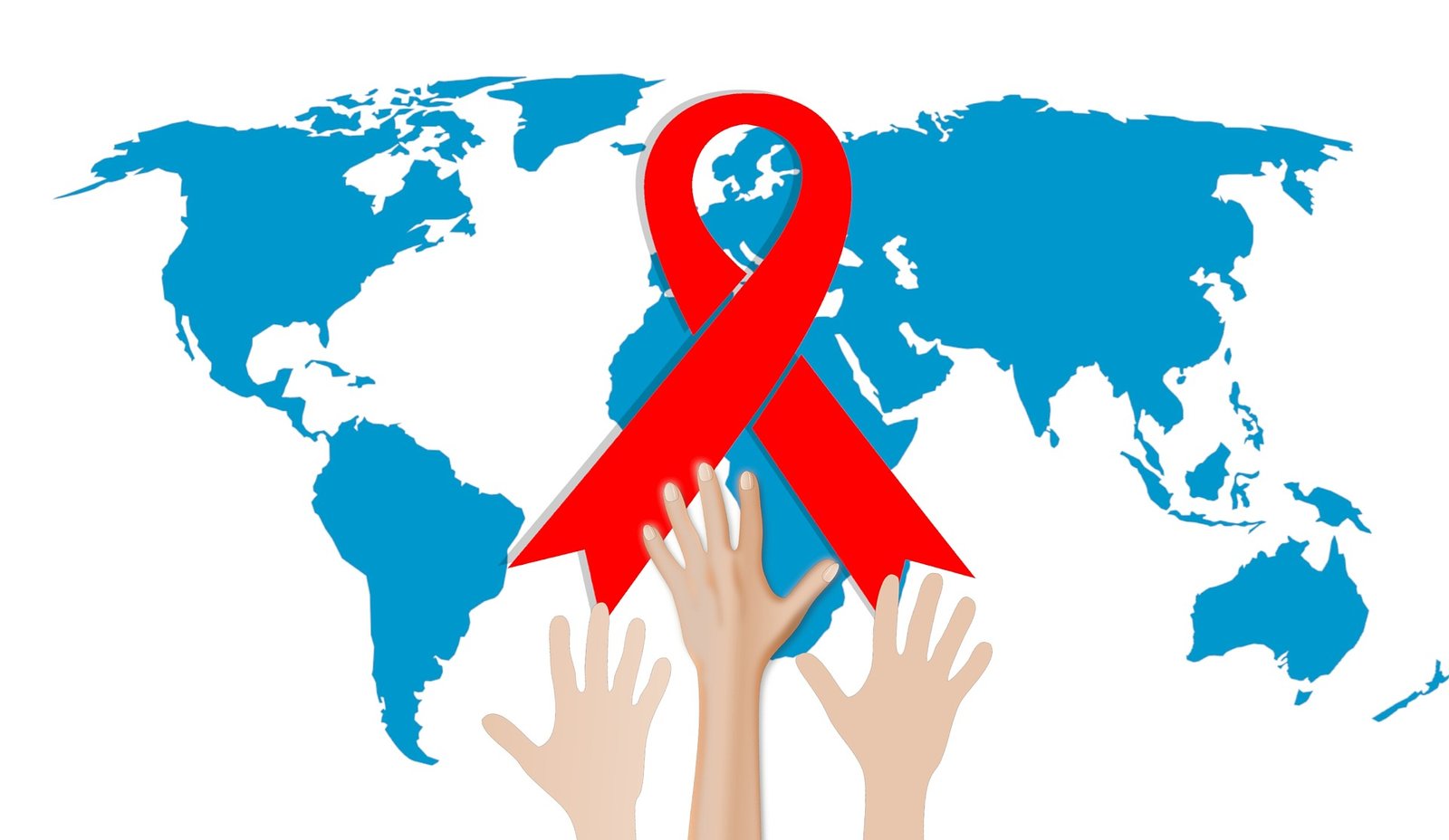
New Delhi, 30 November 2024: World AIDS Day, marked every year on December 1, serves as a powerful reminder of the ongoing battle against HIV/AIDS. But what makes this day so important? For starters, it shines a light on the disease and its devastating impact on millions across the globe. It also encourages education about how to prevent and treat the virus. Additionally, it brings together support for those living with HIV and remembers those who have tragically lost their lives to AIDS-related conditions. Most importantly, it advocates for policies that enhance healthcare access. So, how do we spot the early signs and symptoms of AIDS? Knowing these warning signs is vital for timely treatment and intervention.
Understanding HIV and AIDS
HIV, or Human Immunodeficiency Virus, is the virus that leads to AIDS (Acquired Immunodeficiency Syndrome). Many individuals living with HIV can avoid developing AIDS if they receive the right medical care. It’s crucial to understand the distinction between the two: HIV is the virus itself, while AIDS is the more severe condition that can occur in advanced stages of HIV. Identifying the early signs of AIDS can facilitate early diagnosis and treatment, greatly enhancing the well-being of affected individuals.
Early Signs of HIV Infection
In the initial stage of HIV infection, many may experience symptoms similar to the flu. These early signs can appear within two to four weeks after exposure. Common symptoms are fever, fatigue, swollen lymph nodes, and a sore throat. Being aware of these signs is key for early detection, as they can often be confused with a typical cold or flu. Recognizing these symptoms can prompt individuals to seek medical advice and testing, especially if they have participated in high-risk activities.
Progression to AIDS
Without treatment, HIV can evolve into AIDS, which severely weakens the immune system. This progression can take several years but varies widely from person to person. During this time, the body becomes more vulnerable to opportunistic infections and certain types of cancer. It’s essential to acknowledge the shift from HIV to AIDS, as prompt medical intervention can significantly delay or halt this progression.
Common Symptoms of AIDS
As the immune system weakens, those with AIDS may face various symptoms, including rapid weight loss, recurring fevers, severe night sweats, extreme fatigue, and prolonged lymph node swelling. Moreover, individuals may face unusual infections or illnesses that are more serious than common health issues. Identifying these symptoms can be critical, as they signal the need for immediate medical care.
Importance of Regular Testing
Getting tested for HIV regularly is crucial for early detection and treatment. Many people living with HIV are unaware of their status, which can result in delayed diagnoses when AIDS symptoms become evident. Health organizations recommend routine testing for those at higher risk—such as individuals with multiple sexual partners, needle sharers, or men who have sex with men. Early detection through testing paves the way for immediate treatment, which significantly boosts health outcomes.
Treatment Options Available
While there’s no cure for HIV/AIDS at present, effective treatments are available. Antiretroviral therapy (ART) manages the virus and enables individuals to live longer, healthier lives. ART can reduce the viral load to undetectable levels, meaning the virus can’t be transmitted to sexual partners. Access to treatment is crucial for managing HIV and staving off the advance to AIDS.
World AIDS Day provides an essential platform for raising awareness of the early signs and symptoms of AIDS. Educating people about recognizing these signs and the necessity of regular testing can promote vital early intervention and treatment. As we approach World AIDS Day 2024, let’s commit to supporting those impacted by HIV/AIDS and advocating for policies that ensure everyone has healthcare access.
















Leave a comment