

New Delhi, 30 November 2024: In a concerning development, Delhi has reported its first case of encephalitis in 13 years, reigniting fears of a potential resurgence of this rare but severe neurological condition. The diagnosis has prompted health authorities to urge vigilance and awareness among residents, particularly with encephalitis posing significant health risks if not promptly identified and treated.
What Is Encephalitis?
Encephalitis is a rare but serious condition characterized by inflammation of the brain, often caused by viral infections. It can lead to symptoms ranging from mild flu-like signs to severe neurological complications, including seizures, confusion, and, in extreme cases, permanent brain damage or death.
The condition is most commonly caused by viruses such as herpes simplex, Japanese encephalitis virus (JEV), and enteroviruses, though bacteria, fungi, or autoimmune responses can also trigger it. While advances in medicine have made encephalitis less common, outbreaks in vulnerable populations remain a significant public health concern.
Details of the Reported Case
The recently diagnosed case involves a 32-year-old male resident of Delhi who exhibited symptoms including high fever, confusion, and difficulty speaking. He was admitted to a government hospital after his condition worsened. After extensive testing, doctors confirmed the presence of viral encephalitis, though the specific strain responsible for the infection is still under investigation.
According to hospital sources, the patient is undergoing intensive treatment, including antiviral medications and supportive therapies. Health authorities are now tracing his contacts and screening for potential exposures in his neighborhood to prevent further cases.
Why Is This Case Significant?
The last reported encephalitis case in Delhi was over a decade ago, and its re-emergence highlights gaps in the city’s public health defenses. The case has raised concerns about unaddressed risks, including poor urban sanitation, stagnant water leading to mosquito breeding, and limited vaccination coverage for viruses like Japanese encephalitis.
Dr. Ramesh Kumar, a neurologist at a leading Delhi hospital, commented, “This case is a wake-up call. While encephalitis is not common in urban areas, environmental changes and lapses in preventive measures can create conditions for its resurgence.”
Possible Causes of Resurgence
Health experts suggest several factors that may have contributed to the reappearance of encephalitis in Delhi:
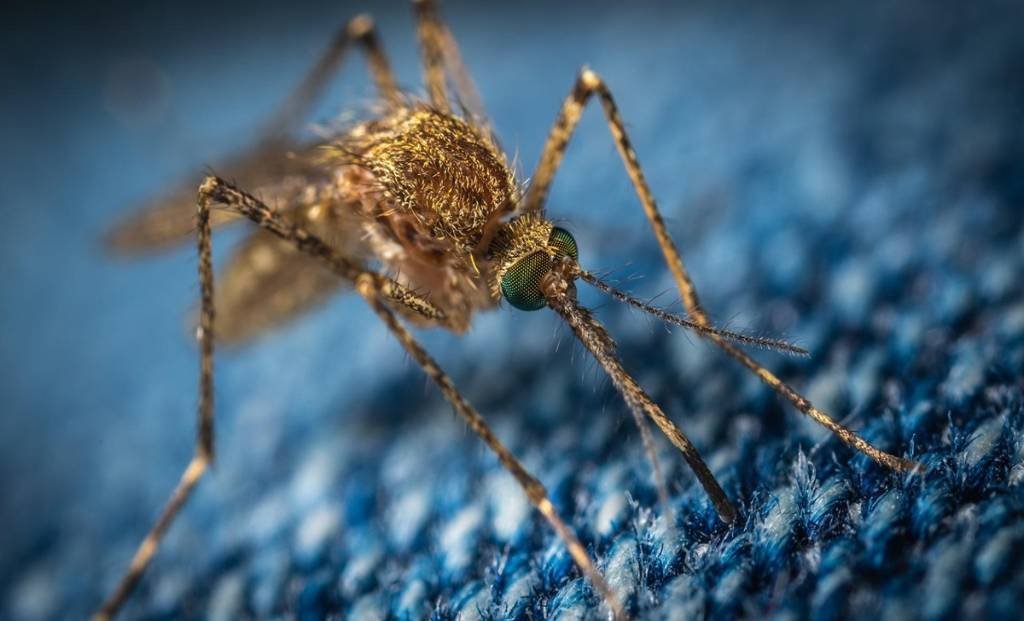
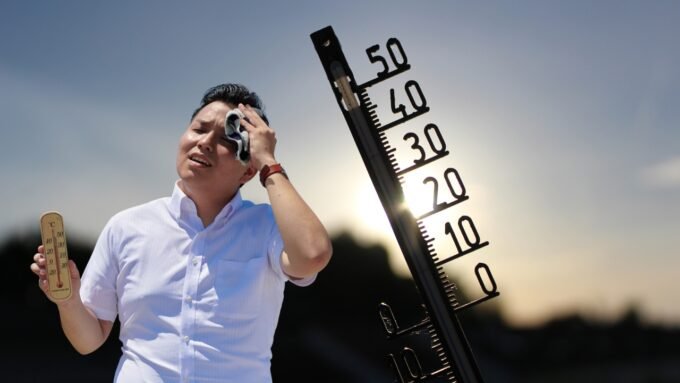
Climate Change and Monsoons: Prolonged monsoons and rising temperatures have created favorable conditions for the proliferation of vectors like mosquitoes, which transmit encephalitis-causing viruses such as JEV.
Urbanization and Overcrowding: Rapid urbanization in Delhi has led to overcrowded living conditions, increasing the risk of disease transmission.
Vaccination Gaps: While vaccination programs for Japanese encephalitis are effective, coverage in urban areas may not be as widespread as in endemic rural regions.
Unregulated Water Sources: Stagnant water in poorly maintained urban areas provides breeding grounds for mosquitoes, a major vector for encephalitis-causing viruses.
Symptoms to Watch Out For
Early diagnosis is critical for managing encephalitis effectively. Common symptoms include:
High fever
Severe headache
Vomiting or nausea
Confusion or disorientation
Drowsiness or difficulty staying awake
Seizures
Sensitivity to light
In severe cases, encephalitis can lead to loss of consciousness or coma. Anyone exhibiting these symptoms should seek immediate medical attention.
Preventive Measures for Residents
The Delhi government has issued an advisory to minimize the risk of further cases. Residents are urged to take the following precautions:
Eliminate Stagnant Water: Regularly check and empty containers or areas where water might collect to reduce mosquito breeding.
Use Mosquito Protection: Apply mosquito repellents, use bed nets, and install window screens to avoid mosquito bites.
Vaccinate When Applicable: Ensure vaccination against viruses like Japanese encephalitis, especially for children and those living in high-risk areas.
Maintain Hygiene: Wash hands frequently, avoid contact with sick individuals, and ensure food and water safety to prevent viral infections.
Seek Early Medical Care: Report symptoms like persistent fever or neurological issues immediately to healthcare providers for timely diagnosis and treatment.
Government Response and Action Plan
The Delhi health department has ramped up surveillance efforts, including monitoring mosquito populations and testing suspected encephalitis cases. Public awareness campaigns are also being rolled out to educate citizens about symptoms, preventive measures, and the importance of seeking early treatment.
Additionally, hospitals have been instructed to maintain readiness for potential cases, including adequate stocks of antiviral medications and rapid diagnostic kits.
Lessons from Past Outbreaks
India has faced significant encephalitis outbreaks in the past, particularly in rural areas of Uttar Pradesh and Bihar, where Japanese encephalitis and acute encephalitis syndrome have claimed thousands of lives. These outbreaks underline the importance of robust public health measures, including vaccination drives, sanitation improvements, and vector control programs.
The re-emergence of encephalitis in Delhi after 13 years serves as a stark reminder of the need for vigilance in urban public health. While this case appears to be an isolated incident, it highlights the potential risks posed by environmental and societal factors in densely populated cities.
















Leave a comment