

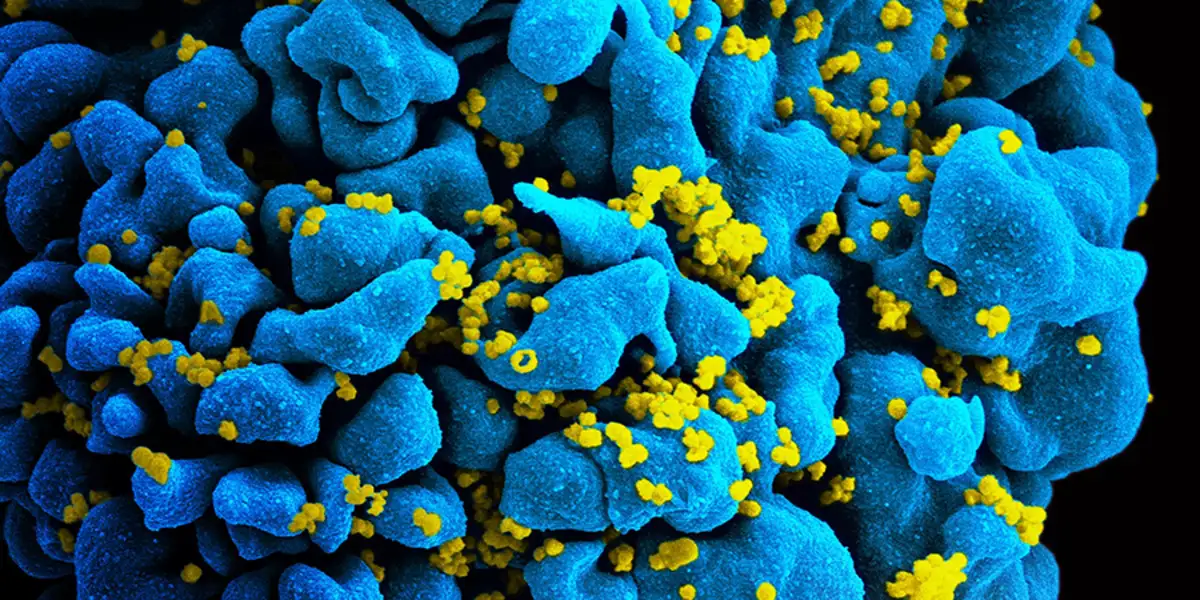
New Delhi, 28 November 2024: Every year, we observe World AIDS Day on December 1 to remind ourselves of the ongoing fight against HIV/AIDS. This day is dedicated to raising awareness about the disease and how it spreads. A common question that comes up is, “Can you get AIDS without engaging in sexual contact?” In this article, we will address this question, look into the different ways HIV can be transmitted, clear up some misconceptions, and stress the importance of education in tackling this disease.
What is AIDS and HIV?
AIDS, or Acquired Immunodeficiency Syndrome, represents the most advanced stage of an HIV infection, which is a virus that weakens the immune system. It’s important to differentiate between HIV and AIDS. While HIV can spread through various methods, AIDS is a condition that occurs when the immune system becomes severely compromised. This distinction is crucial for understanding how the virus operates and the need for timely detection and treatment.
Modes of HIV Transmission
HIV mainly spreads through certain bodily fluids like blood, semen, vaginal fluids, rectal fluids, and breast milk. Although sexual contact is the most recognized way HIV is transmitted, it isn’t the only method. Recognizing these diverse transmission routes can help clarify whether non-sexual transmission is possible.
Non-Sexual Transmission Routes
One key non-sexual mode of HIV transmission is through blood transfusions or sharing needles. This risk is particularly high among those who inject drugs and share needles, as well as in healthcare settings lacking proper blood screening. Following safe practices in healthcare is vital to avoid the spread of HIV through transfusions and injections.
Mother-to-Child Transmission
Another instance where HIV can be transmitted without sexual contact occurs when an HIV-positive mother passes the virus to her child during childbirth or breastfeeding. This emphasizes the need for comprehensive prenatal care and the use of antiretroviral therapy, which can significantly reduce the chances of transmission from mother to child.
Occupational Exposure
Healthcare professionals are also at risk of exposure to HIV through occupational incidents, especially needle-stick injuries or contact with infected blood. This situation underscores the necessity for stringent safety protocols and training in healthcare environments to safeguard both patients and providers from potential HIV exposure.
Misconceptions About HIV Transmission
Many individuals mistakenly believe that HIV can spread through casual interactions, like hugging, shaking hands, or sharing utensils. These misconceptions can result in stigma and discrimination against people living with HIV/AIDS. Educating the public is crucial, as it clarifies that HIV is specifically transmitted through high-risk behaviors, not everyday contact.
The Importance of Education
Education is essential to dispel the myths and misunderstandings surrounding HIV transmission. Awareness initiatives, such as those held on World AIDS Day, aim to deliver accurate information on how HIV spreads and how it can be prevented. With the right knowledge, individuals can make informed choices about their own health and the health of their communities.
HIV/AIDS: Preventative Measures
To prevent the transmission of HIV, it’s important to adopt a comprehensive approach. Practicing safe sex, including the use of condoms, is vital to minimize the risk of sexual transmission. Moreover, individuals at higher risk may benefit from taking pre-exposure prophylaxis (PrEP), a medication that can significantly decrease the likelihood of contracting HIV.
HIV/AIDS: Regular Testing
Frequent testing also plays a crucial role in halting the spread of HIV. Knowing one’s status enables early intervention and helps prevent passing the virus on to others. Regular testing is essential for sexually active individuals and those who might be at risk due to activities like needle sharing.
Thus, while sexual contact is a major avenue for HIV transmission, it is by no means the only one. Grasping the various transmission methods, challenging misconceptions, and fostering education are pivotal in the ongoing fight against HIV/AIDS. As we prepare for World AIDS Day 2024, let’s reaffirm our commitment to increasing awareness, tearing down stigma, and supporting those living with this disease. By educating ourselves and others, we can strive towards a future where HIV no longer poses a major public health threat.
















Leave a comment