

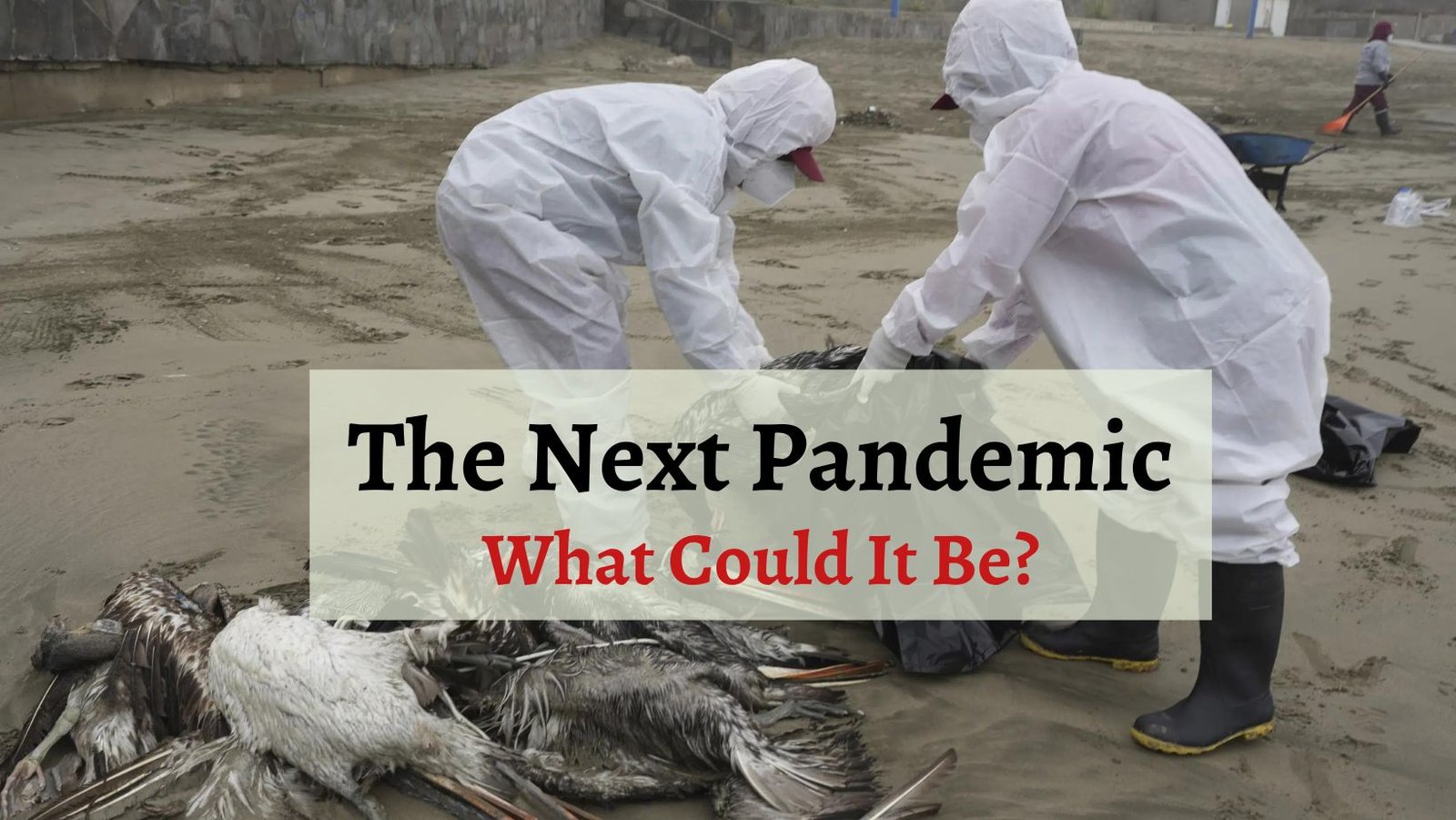
New Delhi, 31 December 2024: As the world continues to grapple with emerging and re-emerging infectious diseases, experts warn that bird flu, or avian influenza, could pose a significant global health threat by 2025. The highly pathogenic virus has already demonstrated its potential for widespread outbreaks in both avian and mammalian populations, raising concerns about its implications for human health.
A Growing Global Concern
Bird flu has been an ongoing issue for decades, with outbreaks causing severe economic and health impacts, particularly in poultry farming industries. In recent years, however, the virus has begun to evolve in ways that make it a more formidable threat. The World Health Organization (WHO) has flagged avian influenza as a priority pathogen due to its potential to cause a pandemic.
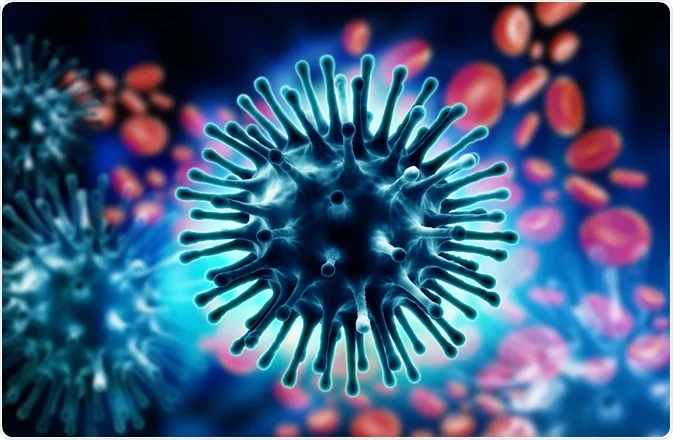
One of the main concerns lies in the mutation of the virus, which could enable it to spread more efficiently among humans. Recent reports indicate that strains such as H5N1 and H5N6 have shown zoonotic transmission, with several cases of severe illness and fatalities recorded.
Factors Driving the Risk
Several factors contribute to the heightened risk of bird flu becoming a major health problem in 2025:
Increased Avian Outbreaks:
Outbreaks of bird flu have surged across various regions, including Europe, Asia, and Africa. These outbreaks often lead to mass culling of birds, disrupting food supplies and increasing the risk of human exposure.
Wildlife-Human Interaction:
Climate change and habitat destruction have increased interactions between wildlife and human populations. Migratory birds, which act as natural carriers of the virus, often come into contact with domestic poultry and humans, facilitating the spread of the disease.
Globalization and Trade:
The global movement of goods and people accelerates the spread of infectious diseases. A single outbreak in one country can quickly become a worldwide concern if not contained effectively.
Limited Vaccination Efforts:
Unlike seasonal flu, no widely available vaccine exists for bird flu strains. Developing and distributing vaccines for rapidly mutating viruses remains a significant challenge.
Potential Human Impact
Bird flu is particularly worrisome because of its high mortality rate among infected individuals. For example, the H5N1 strain has a fatality rate of about 60% in confirmed cases. While human-to-human transmission remains rare, the possibility of a mutation enabling sustained spread could result in a devastating pandemic.
Healthcare systems, already strained by the COVID-19 pandemic, may face unprecedented challenges if bird flu becomes a widespread issue. The economic impact would also be severe, affecting industries ranging from agriculture to tourism.
What Can Be Done?
Preventing bird flu from becoming a global health crisis requires coordinated efforts on multiple fronts:
Surveillance and Early Detection:
Strengthening surveillance systems to monitor outbreaks in both avian and human populations is critical. Early detection can help contain the virus before it spreads widely.
Biosecurity Measures:
Farmers and poultry producers must implement strict biosecurity measures to prevent the introduction and spread of the virus among domestic birds.
Public Awareness:
Educating the public about the risks of bird flu and preventive measures, such as avoiding contact with sick or dead birds, is essential.
Research and Development:
Investing in research to develop effective vaccines and antiviral treatments is crucial for mitigating the impact of bird flu.
What Is Waiting For Us In 2025?
While the future remains uncertain, the threat of bird flu cannot be underestimated. Governments, healthcare organizations, and individuals must work together to address this looming health crisis. By prioritizing preparedness and prevention, the world can reduce the likelihood of bird flu becoming the biggest health problem in 2025.
As history has shown, vigilance and proactive measures are the best defenses against emerging infectious diseases. Bird flu may not yet be a household concern, but its potential to disrupt lives and economies makes it a challenge we cannot afford to ignore.















Leave a comment