

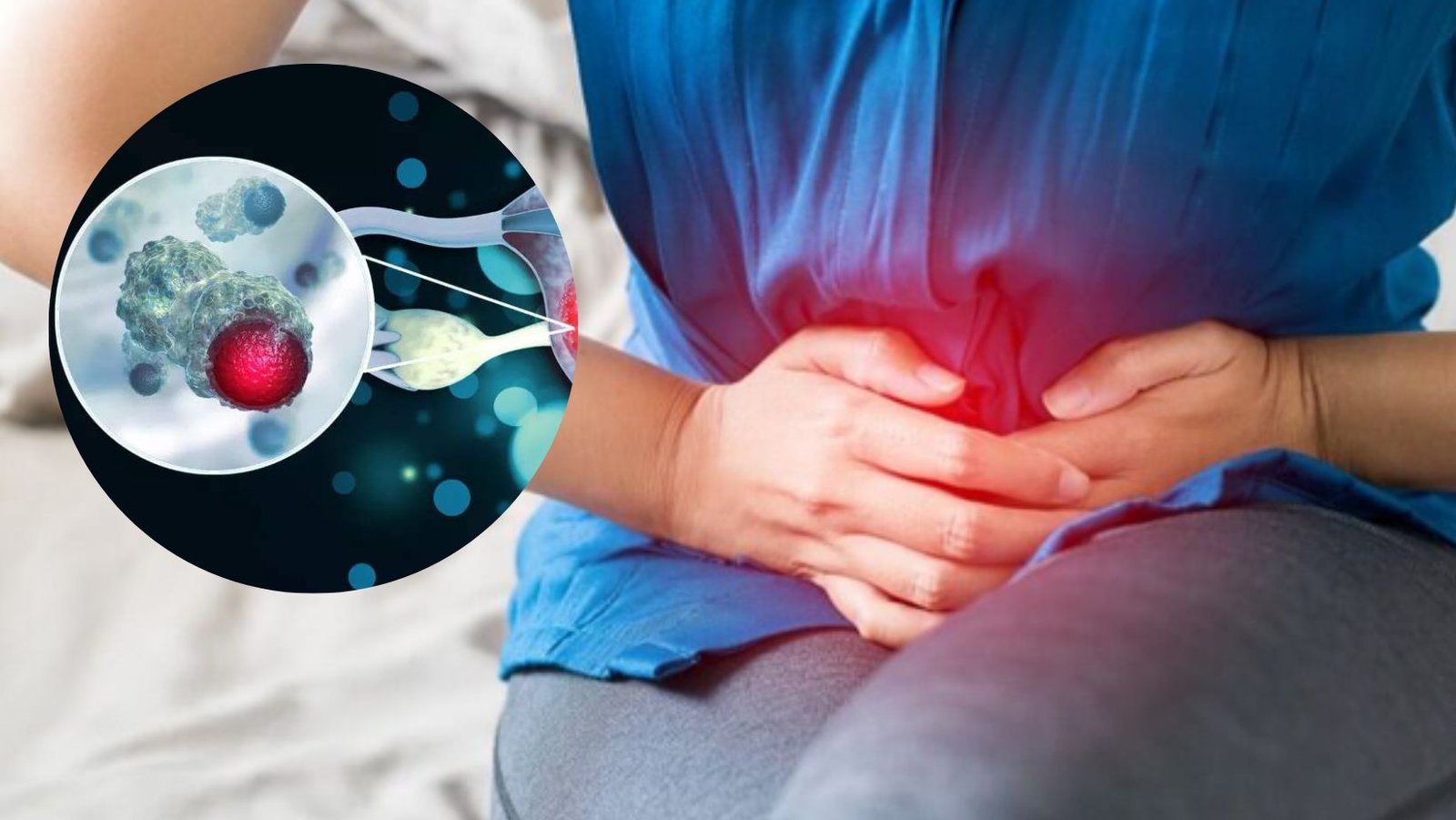
New Delhi, 31 December 2024: In a concerning medical incident, a rare case of acute renal failure has been linked to a lethal caffeine overdose, drawing attention to the potential dangers of excessive caffeine consumption. This case serves as a stark reminder of the risks associated with high caffeine intake and the need for awareness about the toxicity of overconsumption, especially as caffeine is widely consumed in various forms such as coffee, energy drinks, and supplements.
The Case of Acute Renal Failure Due to Caffeine Overdose
The case, reported by a team of medical professionals from a renowned hospital, involved a young adult who presented with symptoms of acute renal failure after ingesting an extraordinarily high dose of caffeine. Initially seeking relief from fatigue, the patient had consumed large amounts of energy drinks and caffeine supplements, unaware of the potentially harmful effects of such excessive intake.
Upon arrival at the emergency room, the patient showed signs of acute kidney injury, including swollen legs, decreased urine output, and electrolyte imbalances. Blood tests revealed dangerously high levels of caffeine in the system, indicating severe toxicity.
Doctors immediately initiated life-saving treatment, which included aggressive hydration and dialysis to support the patient’s kidney function. Fortunately, after intensive care and close monitoring, the patient was able to recover. However, this rare incident underscores the lethal potential of caffeine overdose.
What Is Caffeine Toxicity?
Caffeine is a stimulant commonly found in coffee, tea, chocolate, and energy drinks, and it is widely consumed to increase alertness and improve focus. While moderate caffeine consumption is generally considered safe for most adults, excessive intake can lead to caffeine toxicity.
Caffeine toxicity occurs when the body consumes more caffeine than it can metabolize, leading to harmful effects. Symptoms of caffeine overdose include nausea, vomiting, dizziness, tremors, rapid heart rate, seizures, and in severe cases, organ failure. The lethal dose of caffeine is estimated to be between 10 and 14 grams, although toxicity symptoms can occur with much lower amounts depending on individual tolerance.
Renal Failure: The Risks of Energy Drinks and Caffeine Supplements
Energy drinks, which are often marketed as quick fixes for fatigue, are a major source of high caffeine intake. These beverages can contain up to 500 milligrams of caffeine per serving, significantly higher than a cup of coffee, which typically contains around 95 milligrams. In addition to caffeine, energy drinks often include other stimulants such as taurine and guarana, which can amplify the effects of caffeine and increase the risk of overdose.
Caffeine supplements, often used for weight loss or athletic performance, also pose a significant risk. These supplements can contain extremely high doses of caffeine, sometimes exceeding the recommended daily intake by several times.
The case of acute renal failure linked to caffeine overdose highlights the dangers of self-medicating with high doses of caffeine and the need for individuals to be aware of how much caffeine they are consuming on a daily basis.
Renal Failure: Prevention and Awareness
Experts recommend that adults limit their caffeine intake to no more than 400 milligrams per day—roughly the amount in four cups of coffee. Pregnant women, individuals with heart conditions, and those sensitive to caffeine should consume even less.
Medical professionals urge individuals to read labels carefully, especially when consuming energy drinks, supplements, and other caffeinated products, to ensure they are aware of the caffeine content. Mixing multiple sources of caffeine, such as drinking coffee while consuming energy drinks, can lead to unintentional overdosing.
In cases of caffeine toxicity, it is essential to seek immediate medical attention. Early intervention can prevent serious health complications, including renal failure, seizures, and cardiac arrest.
While caffeine is generally safe in moderate amounts, this rare case of acute renal failure linked to a lethal overdose serves as a crucial reminder of the dangers of excessive caffeine consumption. As caffeine use continues to rise, particularly among young adults and athletes, it is essential for individuals to be mindful of their intake and to recognize the signs of caffeine toxicity. Awareness and education on the potential risks of caffeine overdose could prevent such dangerous incidents in the future, ensuring that this widely consumed stimulant remains safe for all.













Leave a comment