

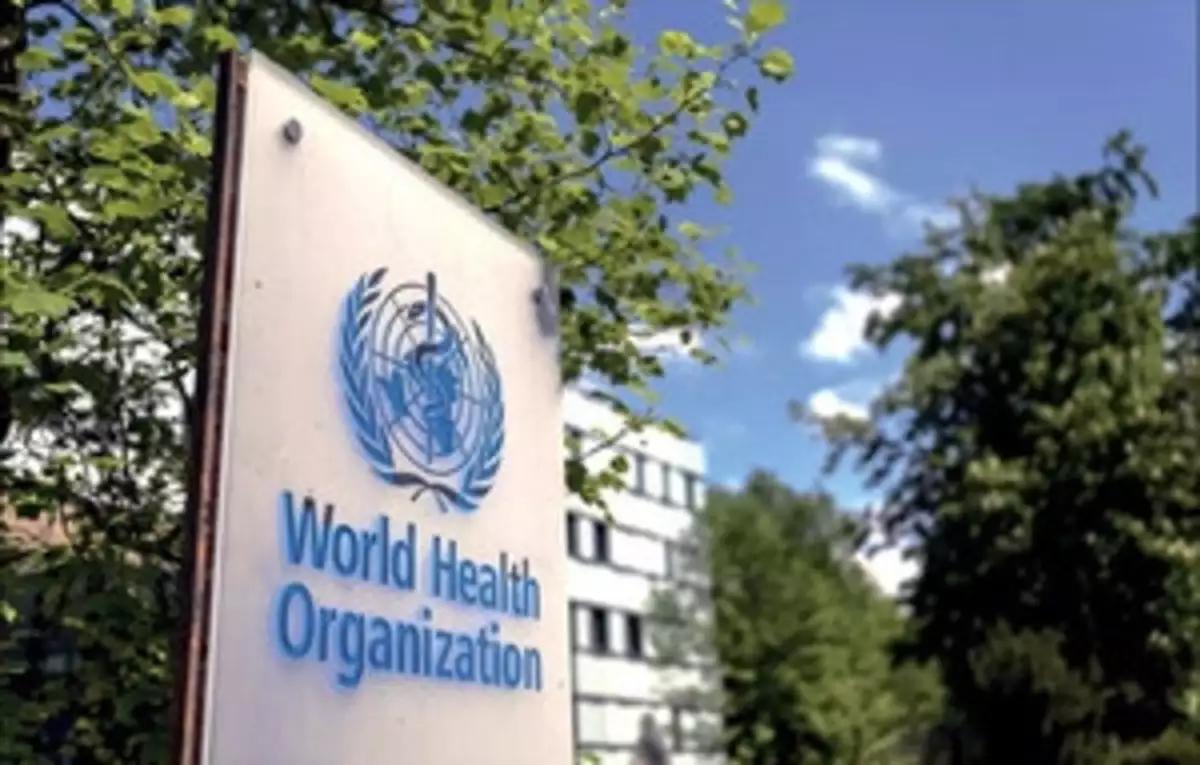
New Delhi, 07 December 2024: The World Health Organization (WHO) has granted prequalification to a molecular diagnostic test for tuberculosis (TB), a major step forward in the global fight against this deadly disease. TB remains a significant public health challenge, claiming over 1.6 million lives annually and affecting millions more worldwide. The introduction of this prequalified diagnostic test is expected to enhance early detection and improve treatment outcomes, particularly in low- and middle-income countries where the burden of TB is highest.
The Importance of Prequalification
Prequalification by WHO is a rigorous evaluation process that certifies the safety, efficacy, and quality of health products. It ensures that diagnostic tools, medicines, and vaccines meet global standards, making them eligible for procurement by United Nations agencies and other international health organizations.
For TB, prequalification of a diagnostic test is critical. Early and accurate diagnosis is the cornerstone of effective TB management. Delays in diagnosis can lead to the progression of the disease, increased transmission, and poorer treatment outcomes. The newly prequalified molecular diagnostic test represents a significant advancement in addressing these challenges.
About the Prequalified Molecular Diagnostic Test
The diagnostic test utilizes molecular technology to detect TB bacteria in patient samples. Its high sensitivity and specificity allow it to identify TB cases, including drug-resistant strains, within hours, compared to traditional methods that can take weeks. The test also requires minimal manual handling, making it suitable for use in resource-limited settings.
This rapid turnaround time and ease of use make the test a valuable tool in areas with high TB prevalence and limited access to advanced healthcare facilities. Furthermore, the ability to identify drug-resistant TB at the point of diagnosis allows for timely initiation of appropriate treatment regimens, reducing the risk of further resistance and transmission.
TB: A Global Health Crisis
Tuberculosis is caused by the Mycobacterium tuberculosis bacterium, which primarily affects the lungs but can also impact other parts of the body. It spreads through the air when an infected person coughs or sneezes.
Despite being preventable and treatable, TB remains a leading cause of death globally, particularly in low-income countries. The rise of drug-resistant TB poses an additional challenge, making some cases difficult and expensive to treat.
According to the WHO, approximately 10 million people fell ill with TB in 2022, with many cases going undiagnosed or untreated due to lack of access to effective diagnostic tools.
Impact of the New Diagnostic Test
Faster Diagnosis and Treatment: The molecular diagnostic test significantly reduces the time required to diagnose TB, enabling quicker initiation of treatment. This is particularly important in areas where access to healthcare is limited, and patients may face delays in receiving care.
Detection of Drug Resistance: Drug-resistant TB is one of the most pressing challenges in TB control. The ability of the new test to identify resistance patterns ensures that patients receive appropriate treatment, improving outcomes and reducing transmission.
Improved Accessibility: The test’s suitability for use in resource-limited settings means it can reach populations that are often underserved by healthcare systems. This could help bridge the gap in TB detection and treatment, particularly in remote and rural areas.
Cost-Effectiveness: Although advanced molecular tests are often expensive, WHO prequalification opens doors for funding and procurement by international health agencies. This can make the test more affordable and widely available in low-income countries.
Global Implications: The prequalification of this diagnostic test aligns with global efforts to end TB by 2035, a target set by the WHO under the End TB Strategy. Achieving this goal requires a multi-faceted approach, including improved diagnostics, effective treatment, vaccination, and public awareness campaigns.
This new tool adds a vital layer to TB control efforts. By enabling early detection and treatment, it can reduce the disease burden, improve patient outcomes, and limit the spread of infection. It also complements other innovations, such as shorter treatment regimens and new TB vaccines under development.
Challenges Ahead
While the prequalification of this test is a significant milestone, challenges remain in its widespread implementation. These include:
Infrastructure Limitations: Resource-limited settings may lack the infrastructure required to use molecular diagnostic tests effectively.
Training and Capacity Building: Healthcare workers need training to operate the test and interpret results accurately.
Sustainability: Ensuring consistent supply and affordability of the test is crucial for long-term impact.
Integration into Healthcare Systems: The test must be integrated into existing TB control programs for maximum effectiveness.
The WHO’s prequalification of a molecular diagnostic test for TB marks a pivotal moment in the global fight against this ancient yet persistent disease. By offering rapid and accurate diagnosis, including detection of drug-resistant strains, this test has the potential to transform TB management, particularly in high-burden countries.
However, the path ahead requires collective effort. Governments, healthcare providers, and international organizations must work together to ensure the test’s availability, affordability, and effective implementation. With sustained commitment, this innovation could bring us closer to ending the global TB epidemic, saving millions of lives and improving the health of vulnerable populations worldwide.














Leave a comment