

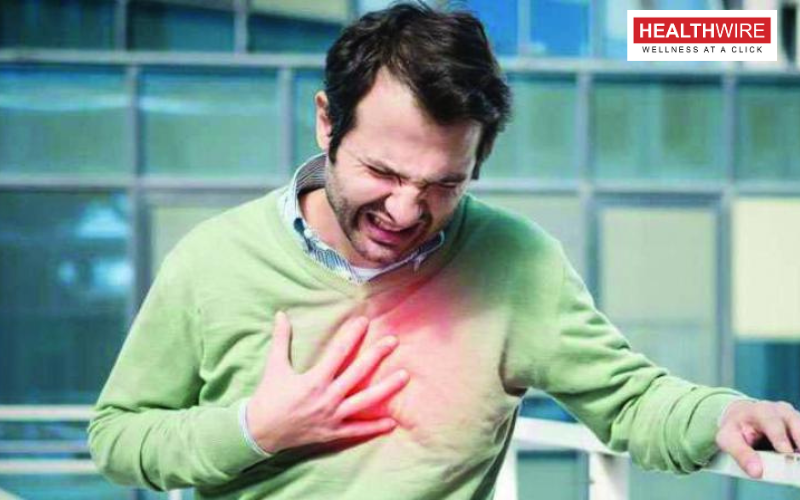
New Delhi, 07 October, 2025: Heart attacks can strike without warning — at home, on the road, or even in your sleep. For many, the most terrifying thought is, “What if it happens when I’m alone?”
While modern medicine can save lives with timely treatment, survival during a heart attack depends greatly on what you do in the first 10 minutes.
In this article, cardiologists explain what exactly happens during a heart attack, how to recognize the early signs, and the critical actions you must take if you are alone and suspect one.
Understanding a Heart Attack
A heart attack, or myocardial infarction, happens when blood flow to a part of the heart is blocked — usually due to a clot or buildup of plaque in the coronary arteries. Without oxygen, the heart muscle begins to die, leading to chest pain, breathlessness, and in severe cases, cardiac arrest.
Every second counts. According to cardiologists, if treatment begins within the first 60–90 minutes, the chances of survival increase dramatically. But many people fail to reach the hospital in time, especially when they are alone.
Early Warning Signs You Should Never Ignore
Doctors emphasize that heart attack symptoms are not always dramatic. They can be subtle, gradual, and easily mistaken for acidity or fatigue.
Here are the most common symptoms you should watch for:
- Chest pain or pressure: A tight, squeezing, or burning sensation in the center or left side of the chest.
- Radiating pain: Discomfort spreading to the arms (especially the left), jaw, neck, back, or upper stomach.
- Shortness of breath: Difficulty breathing even without physical exertion.
- Cold sweats: Profuse sweating not related to temperature.
- Nausea or lightheadedness: Feeling faint, dizzy, or suddenly weak.
- Extreme fatigue: Sudden exhaustion, especially in women, which may appear without pain.
If you experience two or more of these symptoms for more than a few minutes, treat it as a heart attack until proven otherwise.
Step-by-Step Guide: What To Do If You’re Alone And Having a Heart Attack
1. Call for Help Immediately
Even if you’re unsure, dial emergency services (like 108 in India) or your local ambulance number right away.
If you’re in an apartment building, call or message a neighbor, security guard, or family member to alert them. Keep your door unlocked so rescuers can reach you easily.
Time is muscle. The faster you get help, the more heart tissue you can save.
2. Chew (Don’t Swallow) an Aspirin
If available, chew one regular-strength (325 mg) aspirin tablet slowly.
Aspirin helps by inhibiting platelets, which can prevent the clot from growing larger and worsening the blockage.
- Avoid if you’re allergic to aspirin or have been advised against it by your doctor.
- Do not take other painkillers like ibuprofen or naproxen — they can worsen the condition.
3. Unlock Your Door and Keep Your Phone Close
In a panic, people often forget to make it easier for help to arrive.
Unlock your main door or gate and keep your phone nearby on speaker mode after calling emergency services.
If possible, turn on your GPS location so emergency responders can find you faster.
4. Sit in an Upright or Semi-Reclined Position
Lying flat may put more strain on the heart. Instead:
- Sit upright against a wall or pillow.
- Keep your knees bent slightly to reduce pressure on your chest.
- Try to remain calm and take slow, steady breaths.
Avoid sudden movement, walking, or driving yourself to the hospital. These can worsen your heart’s workload.
5. Coughing During a Heart Attack — Myth vs. Fact
You may have read online that “coughing vigorously during a heart attack” can restart your heart.
Doctors clarify that this is largely a myth.
While “cough CPR” may help in rare, monitored situations (like when a doctor is watching a heart rhythm in a hospital), it is not recommended for people at home or alone.
Instead, focus on calling for help and staying still until medical assistance arrives.
6. If You Feel Faint — Lie on the Floor
If you start to feel dizzy or weak, slowly lower yourself to the ground to avoid injury in case you lose consciousness.
Lie on your back with your knees bent slightly and head turned to one side. This helps maintain circulation.
If you lose consciousness, your chances of survival drop dramatically unless someone performs CPR (cardiopulmonary resuscitation).
What Happens After Reaching the Hospital
Once you arrive at the emergency department, doctors will:
- Perform an ECG (electrocardiogram) to confirm a heart attack.
- Give clot-busting medications or perform an angioplasty to open blocked arteries.
- Administer oxygen, nitrates, or beta-blockers to stabilize your heart function.
Prompt medical intervention can often reverse most of the heart damage if done within the first hour — the “golden window.”
Preventing a Heart Attack When You’re Alone
If you live alone or have a high risk of heart disease, proactive steps can dramatically improve your safety.
1. Always Keep Emergency Numbers Saved
Save emergency contacts like 108 (India) or 112 (universal helpline) under speed dial.
Add your family or a nearby friend as a “Medical Emergency Contact” in your phone.
2. Keep a Small Medical Kit Handy
Your kit should include:
- Aspirin tablets
- Blood pressure monitor
- List of medications and allergies
- Emergency ID card with your name, address, and doctor’s contact
3. Monitor Heart Health Regularly
Get routine blood pressure, cholesterol, and ECG tests every 6–12 months if you’re over 40 or have risk factors like diabetes, smoking, or obesity.
4. Avoid Major Triggers
Common triggers include:
- Skipping heart medications
- Smoking or alcohol
- Heavy meals or overexertion
- High emotional stress
A balanced diet, regular exercise, and stress management can greatly reduce your risk.
Doctor’s Advice: How to Stay Prepared
Dr. R. Menon, a senior cardiologist, explains:
“The biggest mistake people make is waiting too long. They think it’s just gas or fatigue.
If you’re alone and your chest pain doesn’t subside in 5 minutes, call an ambulance — not a friend. It’s better to be wrong once than too late once.”
He also recommends that high-risk patients use smart wearables with heart-rate monitoring and SOS alerts that can notify contacts automatically.
Key Takeaways
| Action | Why It Matters |
|---|---|
| Call emergency services immediately | Every minute saves heart muscle |
| Chew an aspirin | Prevents the clot from worsening |
| Sit upright and stay calm | Reduces strain on the heart |
| Unlock doors and share location | Helps rescuers reach you faster |
| Avoid myths like “cough CPR” | Focus on real first-aid actions |
| Regular checkups | Prevents future heart attacks |
What To Know About The Risk?
A heart attack while alone can be one of life’s scariest experiences — but knowing what to do can make the difference between life and death.
The key is to act fast, stay calm, and call for help immediately. Recognize the warning signs, keep aspirin handy, and never hesitate to seek medical attention.
Remember, it’s not bravery to “wait it out.” The bravest thing you can do is reach for your phone and save your heart — and your life.
















Leave a comment