

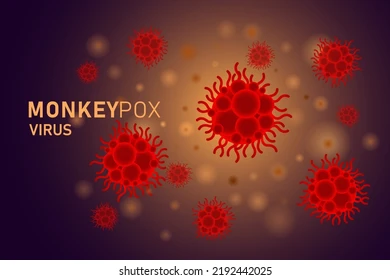
New Delhi, September 09: India on Sunday reported the first suspected case of monkeypox virus in a young male patient, who had recently travelled from a country witnessing an outbreak of the disease. In a statement, the Union Health Ministry did not clarify which city the case was found in.
“A young male patient, who recently travelled from a country currently experiencing mpox transmission, has been identified as a suspect case of mpox,” a communication from the ministry stated.
As cases of Mpox is on the rise globally, let us understand how the virus enters the body, and what happens next.
How Does Mpox or Monkeypox Enter Your Body?
When the monkeypox virus enters the body, typically through a break in the skin or through respiratory droplets, it begins to replicate. The virus targets cells in the skin, lymph nodes, and other tissues.
What Happens When You Get Monkeypox?
As the virus multiplies, the body’s immune system is activated. White blood cells, including T cells and B cells, work to identify and eliminate the invading pathogen. This immune response is crucial for combating the infection and preventing severe illness.
Symptoms: The Body’s Manifestation of Infection
The symptoms of monkeypox are a result of the body’s immune response and the damage caused by the virus. These symptoms can include:
1. Fever
2. Headache
3. Muscle aches
4. Fatigue
5. Swollen lymph nodes
6. Rash
The rash often starts on the face or genitals and can spread to other parts of the body. It may appear as small, red bumps that can fill with fluid and crust over.
Complications: Potential Risks
While most cases of monkeypox are mild and self-limiting, some individuals may develop severe complications. These can include:
1. Pneumonia
2. Encephalitis
3. Sepsis
People with weakened immune systems are at a higher risk of developing severe complications.
How Long Does It Take To Recover?
In most cases, the body’s immune system is able to effectively combat the monkeypox virus, leading to recovery within a few weeks. Once a person has recovered from monkeypox, they are generally immune to reinfection
Read Also – Dengue Outbreak Looms Large in Delhi as Cases Surge; 54 Test Positive, 632 Challaned
It’s important to note that the severity of monkeypox can vary, and some individuals may experience more severe symptoms than others. If you are concerned about your risk of monkeypox or have symptoms of the disease, it’s essential to seek medical attention.













Leave a comment