

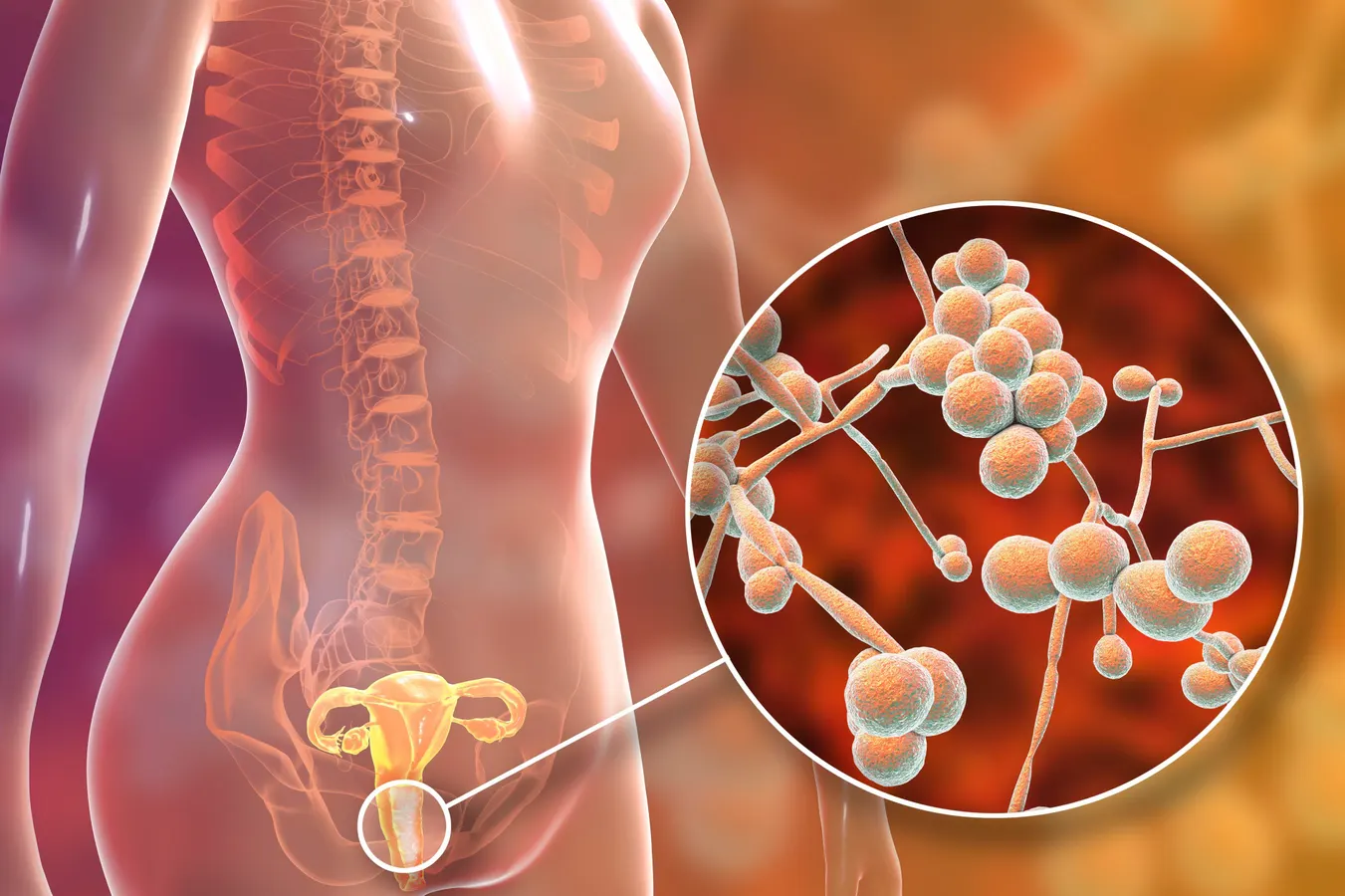
Periods are an integral element in a woman’s life. However, they occasionally bring some unanticipated, not-so-pleasant surprises. One of these stumbling blocks includes vaginal infections during the menstrual cycle. While some infection signs are frequently observed, some peculiar symptoms must not go unnoticed. Recognizing these warnings ensures prompt action and medical consultation.
Persistent Prickling and Scorching Feeling
A constant prickly and scorching feeling is a regularly encountered but often shunned symptom of a vaginal infection during menstruation. Period-related discomfort is common, but if this irritating sensation prolongs for a few days, accompanied by unfamiliar discharge, it hints at a deeper infection that calls for medical aid.
Distressing Smell
An alarming symptom is a distressing smell from the vagina during menstruation. It’s normal for menstrual blood to have a distinct odor, but when the smell turns excessively pungent, fishy, or unpleasant, it signals an infection like bacterial vaginosis or a yeast infection.
Unusual Discharge
Unusual changes to your vaginal discharge during your periods shouldn’t get brushed aside. Discharge that’s lumpy, has a greenish tint, or resembles cottage cheese signals something’s off. These alterations could suggest yeast or bacterial imbalance, eventually leading to an infection calling for medical intervention.
Hurtful Sexual Intercourse
Feeling pain or distress while having sex during your period can also be a telltale sign of a vaginal infection. Infections, such as yeast infections or sexually transmitted infections, can cause inflammation and irritation, making sexual intercourse an undesirable experience.
Skin Irritation or Redness
Unexpected skin irritations, redness, or swelling in the vaginal area shouldn’t be overruled during menstruation. These indicators could imply an allergic reaction, a skin infection, or a graver health issue necessitating a health professional’s examination.
Though some discomfort during periods is common, you should never dismiss certain signs. Early detection and treatment of vaginal infections can avert potential complications, preserving overall reproductive health and wellness.
















Leave a comment