

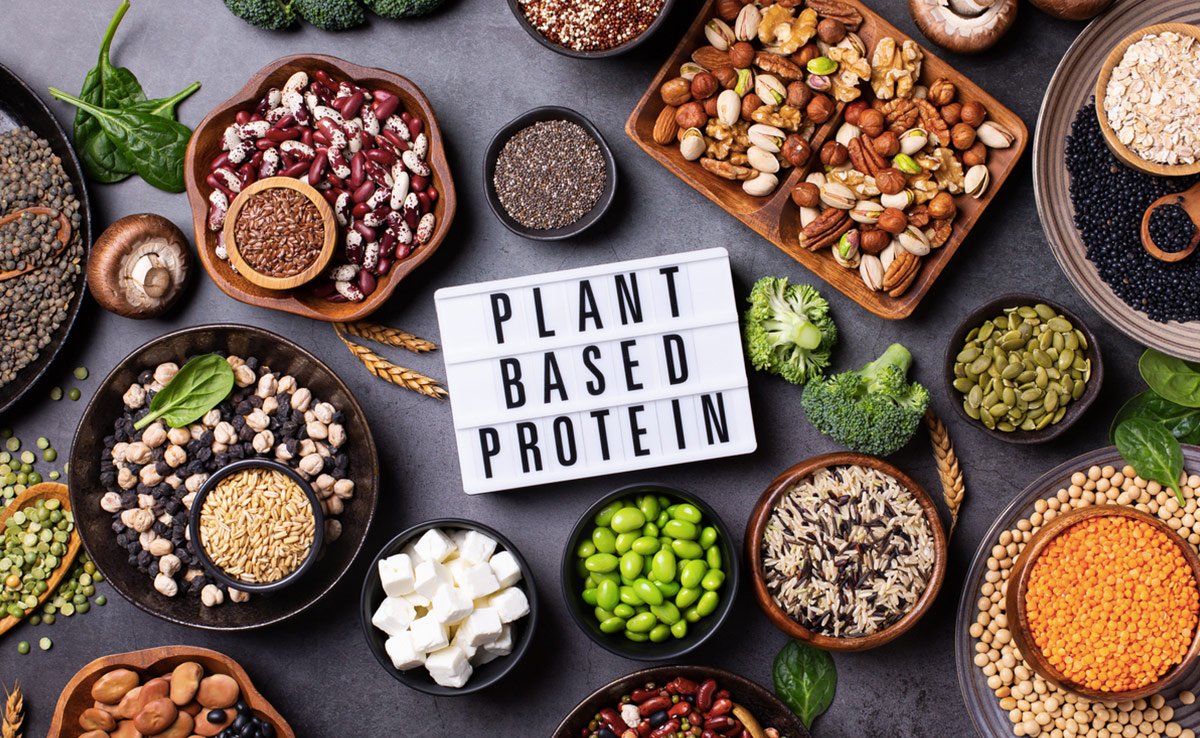
One common misconception is that muscle building and meat consumption go hand in hand. But did you know there are numerous plant-based proteins that are just as effective, if not more so, at promoting muscle growth? Let’s take a look at six amazing plant proteins that can help you attain great physique, sans meat.
Lentils
Loving lentils wouldn’t be laborious these lentils don’t just add taste to your meals, but pack in about 18 grams of protein per cup, cooked. In addition to protein, lentils also host a good amount of fibres, aiding digestion and ensuring good gut health.
Quinoa Rich In Protein
Quinoa is quite an all-rounder – it’s a complete protein source, making it unique amongst grains. It provides around 8 grams of protein per cup (cooked) and is nutrient-packed. Thus making quinoa a protein-rich addition to any muscle building diet program.
Chickpeas
Let’s talk chickpeas, these versatile little grains, also called garbanzo beans, boast roughly 15 grams of protein per cup when cooked. Not just protein-packed, chickpeas also have an array of vitamins, minerals and fibres, promoting fast muscle recovery and repair.
Tofu For Protein
Tofu is not just a vegetarian’s delight; it could work wonders for your muscles too. It’s made from soybeans, is high protein (about 20 grams per cup), and is amazingly versatile. As a bonus, tofu is also a great source of iron and calcium, essential for your overall well-being.
Hemp Seeds
Do not be fooled by the size of hemp seeds; these pint-sized powerhouses are loaded with protein and healthy fats. With about 10 grams of protein per 3 tablespoons, they can add a protein punch to your meals. Plus, their rich omega-3 fatty acid content can aid muscle recovery.
Chia Seeds
Chia seeds are small in size but big on nutrition. Two tablespoons provide around 5 grams of protein, essential for muscle growth. These seeds also carry an impressive array of nutrients, including fibre, omega-3 fatty acids, and antioxidants.
















Leave a comment