

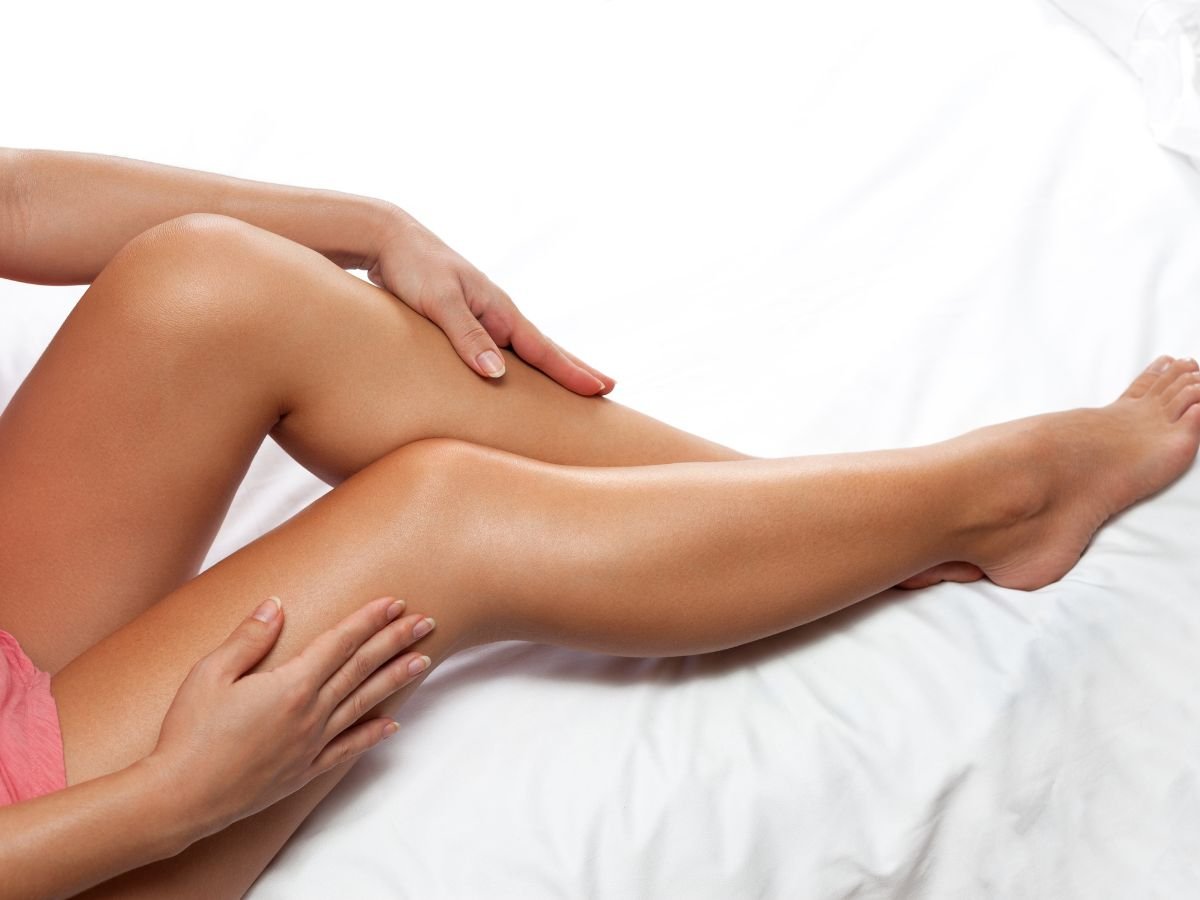
The expression “strawberry legs” refers to the appearance of tiny lumps or black pores on the skin following hair removal, usually on the legs. The term derives from the skin’s striking resemblance to the appearance of a strawberry, with the black patches on the skin acting as seeds on the fruit’s surface.
These dark areas or pores are frequently more apparent following hair removal procedures like waxing or shaving. These can happen when oil, germs, or dead skin cells clog hair follicles, causing black spots to show up on the skin’s surface. Ingrown hairs can also be a factor in the look of strawberry legs.
Although not dangerous, some individuals find strawberry legs to be unsightly, particularly in the warmer months when more skin is exposed. Effective methods for exfoliating, hydrating, and shaving hair can reduce the visibility of strawberry legs and encourage smoother, more youthful-looking skin.
In order to reduce the problem of strawberry legs, use these guidelines for proper hair removal techniques:
- Exfoliate Beforehand: Before removing hair, gently exfoliate your skin to help get rid of dead skin cells and to loosen up your hair follicles. A day or two before hair removal, use a moderate exfoliator to help avoid ingrown hairs and lessen the chance of strawberry legs
- Compared to shaving, waxing might produce results that are smoother since it removes hair from the root. Prior to waxing, make sure your skin is clean and dry. Carefully follow the directions to reduce irritation.
- Sugaring: Sugaring eliminates hair from the root in a manner akin to waxing. It can be less unpleasant for skin that is delicate and is a natural substitute for waxing.
- Creams for depilation: These creams dissolve hair that is slightly below the skin’s surface. Although they are quick and simple to use, some people may find them irritating. Before using a depilatory cream, always perform a patch test and carefully follow the directions.
- Hydrate the Skin: Apply moisturizer to your skin on a frequent basis to maintain it dewy and hydrated. Using a moisturizer will help lessen the look of strawberry legs, which can be exacerbated by dry skin.
- Avoid Tight Clothes: To prevent skin irritation or ingrown hairs, stay away from wearing tight clothing after hair removal. To let the skin breathe, choose airy, loose-fitting apparel.
- Cooling and Soothing: To calm the skin and lessen discomfort, use a cooling gel or lotion after shaving. Aloe vera gel is especially good in relieving sore skin.
- Frequent Maintenance: Create and adhere to a regular hair removal regimen to stop strawberry legs from happening again. Over time, regular hair removal can help lessen the visibility of black pores.
- Think About Professional Assistance: If your strawberry legs still bother you after attempting a number of at-home remedies, you might want to contact a dermatologist or esthetician. They can address any underlying problems causing the issue and offer treatments according to your skin type.
When using new products on bigger sections of your skin, always remember to patch test them first, especially if you have sensitive skin or are prone to allergies. Furthermore, for the finest skincare effects make sure to consistently follow these suggestions as consistency is crucial. Keep in mind that since each person has a unique type of skin, what works for one may not work for another. The ideal hair removal technique for reducing strawberry legs while maintaining the health and happiness of your skin may require some trial and error.
















Leave a comment