

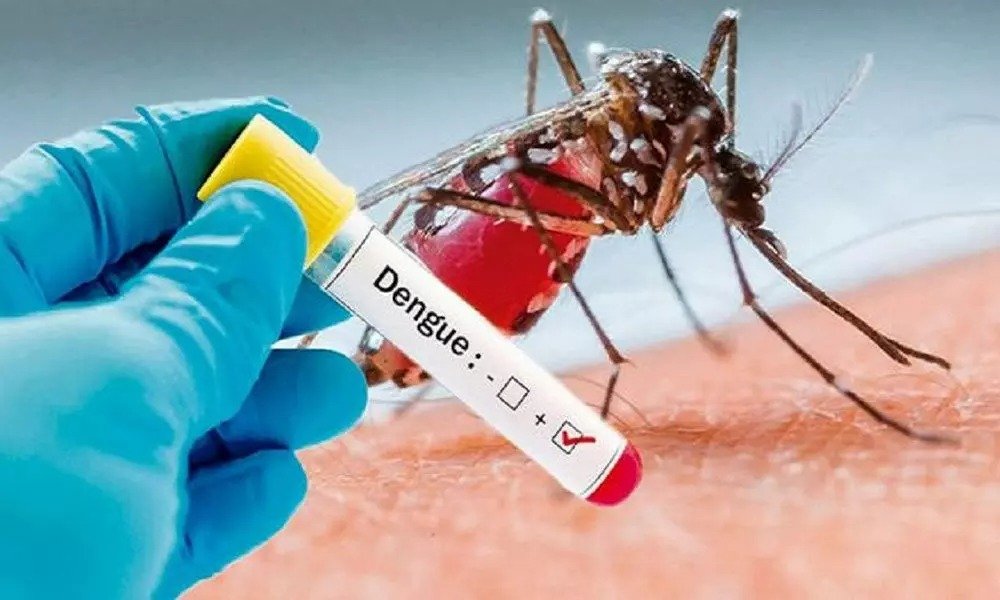
New Delhi, 07 July 2025: As the monsoon advances across Telangana, the state’s health authorities have sounded a strong alert over the anticipated surge in seasonal diseases. With forecasts predicting light to moderate rain over the next week and warnings of heavy downpours in the coming days, officials emphasize that the combination of lower temperatures and rising humidity creates a breeding ground for a host of infections. The public is urged to prepare for an increase in vector‑borne, water‑borne, and airborne illnesses and to adopt preventive habits to safeguard their health.
Monsoon-Driven Risk: Mosquito-Borne Diseases on the Rise
Rainfall creates stagnant water pools that provide ideal breeding conditions for mosquitoes—vector‑borne illnesses such as dengue, malaria, and chikungunya become particularly prevalent during this season. Health advisories recommend securing windows and doors with fine mesh, covering beds and cribs with mosquito nets, using effective repellents, and ensuring drains remain unclogged. Special focus is placed on covering septic tanks with mesh to stop larvae breeding, and residents are encouraged to observe a weekly “Dry Day” every Friday to eliminate standing water around homes. State authorities have also mobilized anti‑larval operations, deploying teams across urban and rural zones to conduct door‑to‑door surveys and awareness drives.
Waterborne Infections: Guarding Against Gastroenteritis, Typhoid, and Jaundice
Monsoon rains often lead to the contamination of water sources, heightening the risk of acute gastroenteritis, typhoid, jaundice, and cholera. To mitigate these risks, residents are urged to drink only boiled, filtered, or bottled water, practice meticulous hand-washing before and after meals, and consume freshly cooked, hygienic food—avoiding stale or roadside fare. Health workers, including ANMs, ASHAs, and Anganwadi staff, have been supplied with Oral Rehydration Salts (ORS), zinc supplements, and essential medicines to support community-level interventions. Additionally, the Department has launched a state-wide diarrhoea control campaign to raise awareness, distribute ORS and zinc through schools, health centres, and rural outreach.
Airborne Threats: Influenza and Viral Fever Precautions
The monsoon season’s high humidity and cooler weather create a conducive environment for airborne infections, including influenza and various viral fevers. The public is advised to avoid handshakes, especially if either party is unwell, regularly use hand sanitizers, and cover the mouth and nose while coughing or sneezing. Individuals exhibiting flu‑like symptoms—such as fever, sore throat, headache, cough, or body pain—should promptly visit the nearest government health facility or call emergency services. Hospitals are already preparing isolation zones and boosting capacities in anticipation of a possible surge in respiratory cases.
Government Readiness: Hospitals and Field Teams on High Alert
Telangana’s public health system is currently in proactive mode. Health facilities across the state are equipped with special beds, IV fluids, essential medications, and oxygen support to handle seasonal illness spikes. The Directorate of Public Health & Family Welfare has made ORS and medicines available at the community level through ANMs, ASHAs, and Anganwadi workers. Officials are regularly reviewing preparedness measures—health ministerial inspections of hospitals and tribal district surveys ensure that resources and personnel are adequately deployed.
Community Participation: The Crucial Role of Public Cooperation
Authorities stress that while the government can provide medical and preventive infrastructure, community involvement is fundamental. Timely reporting of cases, participation in mosquito-control drives, observing the weekly “Dry Day,” maintaining household cleanliness, drinking safe water, and avoiding exposure during peak sickness periods are essential lines of defense. Door‑to‑door awareness efforts by public health workers across districts are underway to ensure message reach and compliance.
Public Advice: Staying Healthy During the Rains
Residents are encouraged to follow these monsoon health precautions: maintain clean premises; secure windows, doors, and beds with mosquito screens; employ repellents and full clothing; eliminate stagnant water weekly; drink boiled or filtered water; wash food thoroughly; avoid stale street food; use hand sanitizers; cover mouth and nose when coughing or sneezing; and promptly report symptoms. In emergencies, contact ambulance services or visit the nearest government health centre.
Looking Ahead: Continued Vigilance Required
Although early data shows lower dengue and typhoid cases compared to last year, certain high-risk zones have recorded increases. Health departments are monitoring these areas closely, with regular assessments planned throughout the monsoon period. Officials caution that mild respiratory symptoms early in the season may combine flu‑like illness with emerging COVID‑19 strains, necessitating continued detection, testing, and facility preparedness.
With the monsoon progressing, Telangana’s health department has stepped up its efforts—issuing clear advisories, launching anti‑larval and sanitation campaigns, mobilizing healthcare teams, and scaling up hospital readiness. The combined strength of institutional systems and public cooperation is expected to greatly reduce the incidence and severity of seasonal diseases. Practical steps like maintaining hygiene, eliminating standing water, safe drinking practices, and attentive symptom monitoring can protect individuals and communities. As rainfall continues, ongoing vigilance from both the public and health officials will be critical in ensuring that the season’s rain brings life and renewal, not illness.
















Leave a comment