

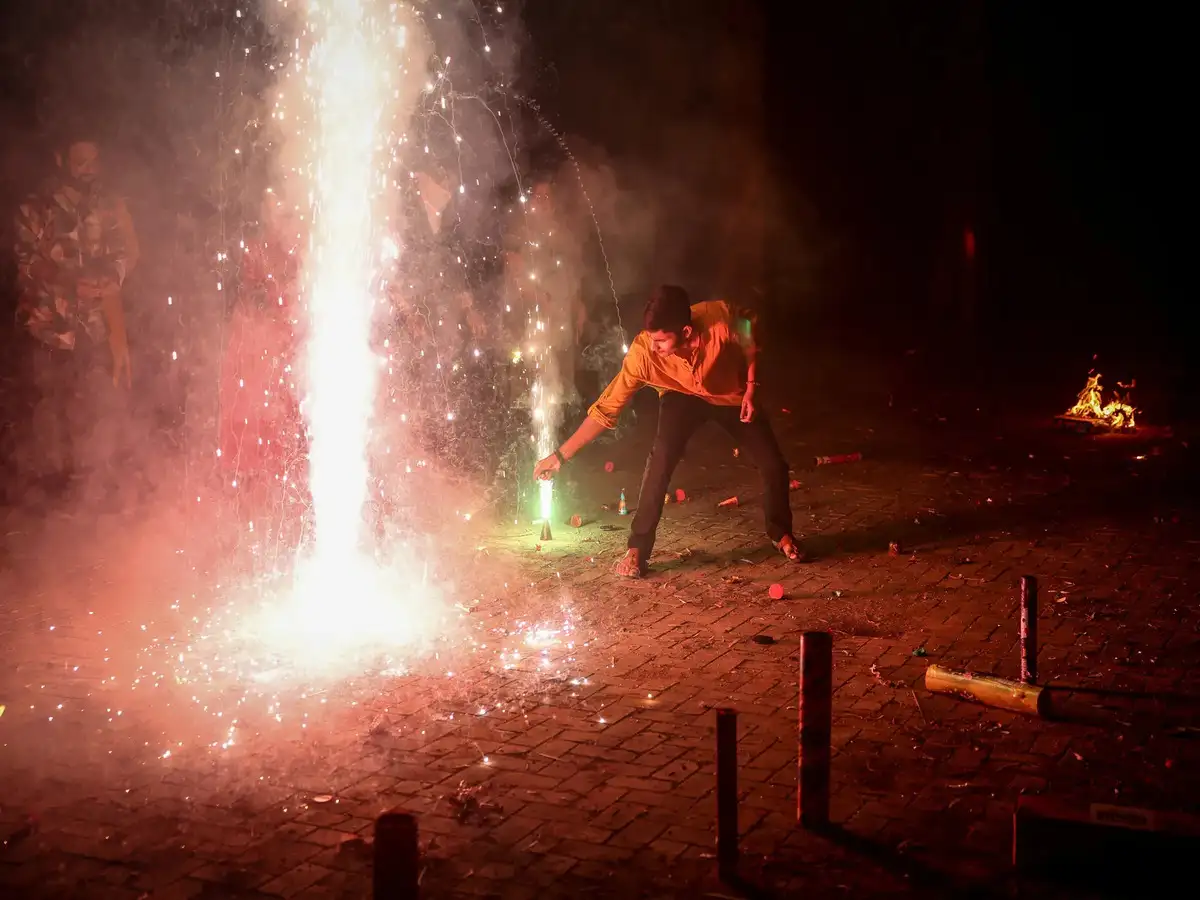
New Delhi, 16 October, 2025: This Diwali, the Supreme Court has given a conditional go-ahead for the bursting of “green crackers” in Delhi-NCR, marking a cautious shift from the complete ban on firecrackers that was imposed in previous years. While this decision comes as a relief to those who look forward to the festive sparkle and joy, health experts are voicing serious concerns about the potential health risks, particularly air pollution, that could still pose a significant threat during the celebrations.
Green crackers, which are designed to release fewer harmful chemicals and pollutants, are considered a safer alternative to traditional crackers. However, experts warn that even these eco-friendly alternatives can still contribute to elevated pollution levels, especially when fireworks are set off in large numbers. In a city like Delhi, where air quality is already a major concern, every burst of firecracker can add to the toxic burden.
If you’re planning to celebrate Diwali with crackers this year, it’s crucial to stay informed and take necessary precautions to protect your health and the health of others. Below are 10 tips and guidelines to ensure you stay safe amidst the festivities while also considering the broader impact of pollution on air quality.
1. Understand the ‘Green Crackers’ Concept
Green crackers are designed to release lower levels of harmful chemicals, such as sulfur, nitrogen, and particulate matter. These crackers use innovative technology to reduce the harmful effects on air quality and minimize the amount of noise pollution. However, it’s important to remember that “green” does not mean “pollution-free.” They still contribute to air pollution, albeit at a lesser level.
Tip for Day 1: Choose crackers labeled as “green” by the government or recognized organizations. However, even green crackers should be used in moderation.
2. Limit the Number of Crackers
The Supreme Court’s ruling allows for the bursting of green crackers but with specific time restrictions. Firecrackers should only be burst during a designated time window, usually for a few hours in the evening. Excessive use of crackers, even green ones, can still lead to a significant spike in air pollution levels, especially in a densely populated area like Delhi.
Tip for Day 2: Set a limit on the number of crackers you plan to burst. Celebrate responsibly by minimizing the environmental and health impact.
3. Protect Vulnerable Groups
Children, the elderly, and individuals with respiratory issues like asthma or bronchitis are particularly vulnerable to the harmful effects of air pollution. The rising levels of pollutants during Diwali can trigger breathing difficulties, irritation in the eyes, and other health complications.
Tip for Day 3: Ensure that vulnerable family members, including children and the elderly, stay indoors during the peak firecracker hours. Avoid exposure to air pollution whenever possible.
4. Monitor Air Quality and Stay Informed
Given that pollution levels can skyrocket during festivals like Diwali, it’s essential to monitor the air quality regularly. You can use apps or websites to track the AQI (Air Quality Index) and make decisions accordingly. If pollution levels are dangerously high, it’s best to avoid going outdoors.
Tip for Day 4: Check air quality through real-time monitoring apps like SAFAR or AQICN. Stay informed about pollution levels and plan outdoor activities when air quality is acceptable.
5. Close Windows and Doors
Even with “green crackers,” the pollutants they release can seep into your home, worsening the air quality inside. It’s essential to minimize exposure to these pollutants, especially if you have respiratory conditions or small children.
Tip for Day 5: Keep windows and doors closed during the peak firecracker hours. Use air purifiers if available to keep your indoor air as clean as possible.
6. Wear a Mask If You Need to Step Out
If you must go outdoors during Diwali, consider wearing a high-quality mask (like an N95 or KN95 mask) that filters out particulate matter (PM2.5) and other pollutants. These masks can help protect your respiratory system from the harmful effects of air pollution.
Tip for Day 6: Wear an N95 or KN95 mask if you’re going out during the fireworks display. These masks offer more protection than regular cloth masks and can help filter out harmful pollutants.
7. Hydrate Well
Air pollution can dehydrate your body, especially your respiratory system. Keeping yourself hydrated helps your body flush out toxins more efficiently. Drinking water also helps keep your airways moist, which is important for preventing irritation from pollutants.
Tip for Day 7: Drink plenty of water throughout the day, especially if you plan on going outside or if you’ve been exposed to polluted air.
8. Opt for Eco-Friendly Diwali Decorations
Besides firecrackers, Diwali celebrations often involve the use of decorative lights and other items that may have environmental impacts. Opting for eco-friendly alternatives not only reduces pollution but also helps celebrate the festival in a sustainable way.
Tip for Day 8: Use LED lights for decorations instead of traditional oil lamps or incandescent lights. These are energy-efficient and have a minimal environmental footprint.
9. Limit the Use of Firecrackers in Public Spaces
Public spaces like parks, markets, and roads are heavily affected by the pollution caused by firecrackers. Limit your use of crackers to private spaces, where you have more control over the amount and type of firecrackers being used.
Tip for Day 9: If you’re celebrating Diwali with a group of friends or family, try to do so in a private space away from crowded areas. This will help reduce the overall pollution in public areas.
10. Dispose of Firecracker Waste Responsibly
After the festivities are over, it’s important to dispose of any firecracker waste properly. Leftover firecracker remnants can contribute to litter and environmental degradation. Many of these items contain hazardous chemicals and can harm wildlife or contaminate water bodies.
Tip for Day 10: Collect and dispose of firecracker remnants in a designated trash bin. Avoid leaving them on the ground, where they can cause environmental harm.
Bonus: Support Cleaner Alternatives
If you’re concerned about the environmental and health risks associated with firecrackers, consider celebrating with noise- and pollution-free alternatives. Many communities now organize eco-friendly Diwali events, such as laser shows or virtual fireworks, which are just as fun without the harmful effects.
Tip for Bonus: Look for local events that feature environmentally friendly celebrations. Consider participating in or organizing these events as a way to enjoy Diwali without contributing to pollution.
The Supreme Court’s decision to allow the bursting of green crackers for Diwali celebrations in Delhi-NCR offers a compromise between tradition and environmental responsibility. While green crackers are a safer alternative to traditional fireworks, they still have an impact on air quality, which is a growing concern in Delhi, especially during the festival season.
By following the above tips and staying mindful of the environmental and health risks associated with firecracker use, you can ensure that your Diwali celebrations are enjoyable, safe, and responsible. Let’s celebrate the festival of lights while keeping our air clean and our health protected.

















Leave a comment