

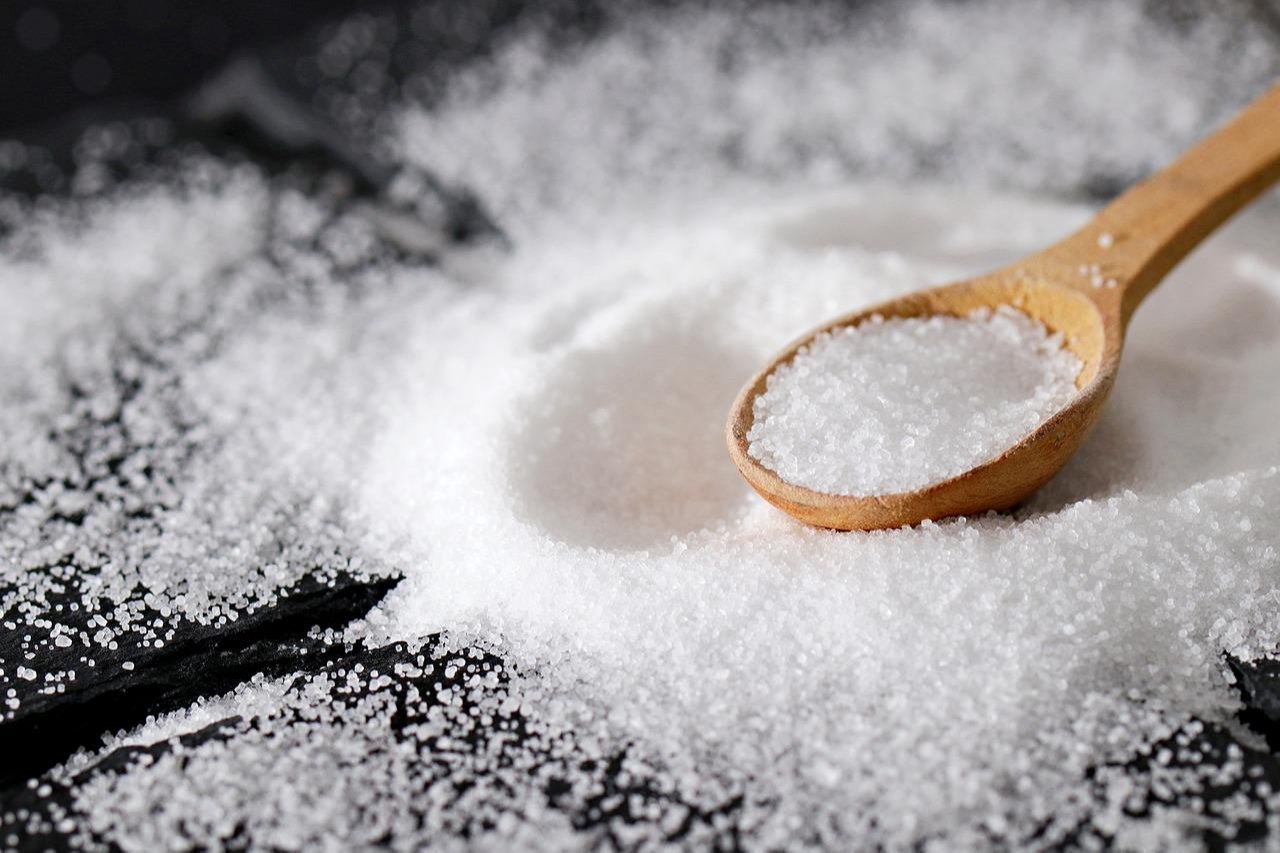
A new study conducted by the environmental research organization Toxics Link has uncovered a concerning reality for Indian consumers: microplastics are present in all salt and sugar brands available in the country. The study, titled “Microplastics in Salt and Sugar,” was published on Tuesday and highlights the pervasive presence of these tiny plastic particles in everyday food items.
Diverse Salt and Sugar Samples Tested
The study tested 10 different types of salt, including table salt, rock salt, sea salt, and local raw salt. In addition, five types of sugar were analyzed, sourced from both online and local markets. The findings were consistent across all samples, showing the presence of microplastics in various forms such as fibers, pellets, films, and fragments.
Significant Levels of Microplastics Detected
“The size of these microplastics ranged from 0.1 mm to 5 mm,” the study revealed. The most significant levels of microplastics were detected in iodized salt, where they appeared in the form of multi-colored thin fibers and films. The concentration of microplastics in salt samples ranged from 6.71 to 89.15 pieces per kilogram of dry weight, with iodized salt containing the highest concentration at 89.15 pieces per kilogram. In contrast, organic rock salt had the lowest concentration, measuring 6.70 pieces per kilogram.
Sugar samples also showed varying concentrations of microplastics, ranging from 11.85 to 68.25 pieces per kilogram. The highest concentration was found in non-organic sugar, adding to the growing concerns about microplastic contamination in everyday food items.
Health and Environmental Concerns
Microplastics are an increasing global concern due to their potential harm to both human health and the environment. These tiny particles can easily enter the human body through food, water, and even the air we breathe. Recent studies have detected microplastics in vital human organs such as the lungs, heart, and even in breast milk and unborn babies. This widespread presence of microplastics in the human body underscores the urgent need for research and action to address this issue.
Previous research has also highlighted that the average Indian consumes significantly higher amounts of salt and sugar than recommended by the World Health Organization (WHO). According to studies, the average Indian consumes 10.98 grams of salt and around 10 spoons of sugar daily, far exceeding WHO guidelines.
Calls for Urgent Action
Toxics Link founder-director Ravi Agarwal emphasized the importance of the study in contributing to the existing scientific database on microplastics. “The objective of our study was to contribute to the existing scientific database on microplastics so that the global plastic treaty can address this issue in a concrete and focused manner,” he stated. The findings aim to “trigger policy action and attract researchers’ attention to potential technological interventions that could reduce exposure risks to microplastics.”
Toxics Link associate director Satish Sinha also expressed concern over the study’s findings. “Our study’s finding of substantial amounts of microplastics in all salt and sugar samples is concerning and calls for urgent, comprehensive research into the long-term health impacts of microplastics on human health,” he added.
The study’s results highlight a pressing need for further research into the health impacts of microplastics and the development of policies to mitigate their presence in everyday food items.
















Leave a comment