

Cancer treatment is most successful when the disease is found early. This is true for almost every type of cancer. It’s important to weigh the benefits and drawbacks of each treatment option and keep a close watch on how well the treatment is working.
Oncologists use different tools to check for cancer and see how it’s responding to treatment. These tools include imaging machines and procedures that involve taking tissue samples from the body, like punctures and endoscopies.
Researchers at the University of Zurich (UZH) and the University Hospital Zurich (USZ) have developed a new and improved method called a “liquid biopsy”. Instead of taking tissue samples, this method looks at blood samples. The liquid biopsy examines DNA fragments circulating in the blood of patients. “Our method can be used in the future for risk assessments, treatment monitoring during follow-up care and early detection of cancer recurrence, in principle for all types of tumors,” said Zsolt Balazs, co-first author of the study at the UZH Department of Quantitative Biomedicine.
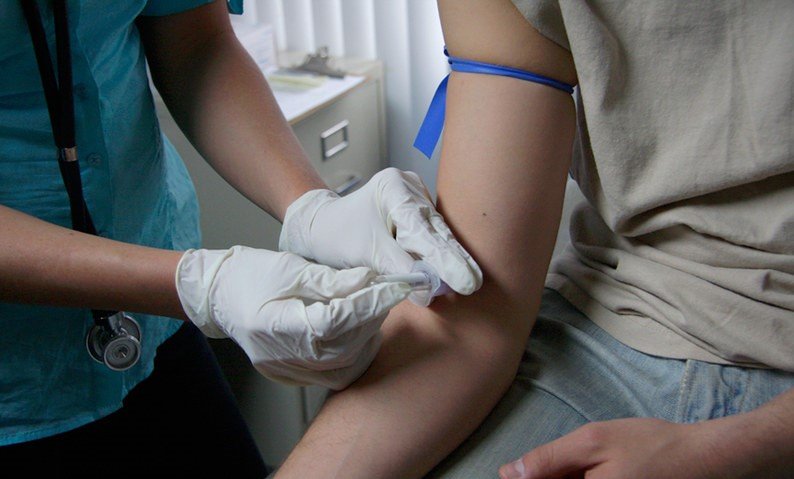
This new method is less invasive, meaning it doesn’t require taking tissue samples, which can be uncomfortable and time-consuming. Blood samples are quick and easier to collect, requiring fewer hospital visits and shorter wait times for patients.
The liquid biopsy helps doctors see how much cancer has spread and how well a patient is responding to treatment. This allows doctors to create personalized treatment plans for each patient. “We can see earlier and more quickly how much the cancer has spread in the body and how well a patient is responding to a specific treatment, or whether there will be a relapse,” said Zsolt Balazs.
In the lab, researchers analyzed the DNA fragments in the blood for specific changes that indicate cancer. They looked at the number and length of these fragments. “The liquid biopsy technique enables us to discriminate between biologically less and more aggressive metastatic cancer disease – perhaps even earlier than using imaging technology,” said co-first author Panagiotis Balermpas, a professor at the Department of Radiation Oncology at USZ.
Researchers tested this method on patients undergoing radiotherapy, including some with HPV, or human papillomavirus, which can also cause cancer. By measuring the amount of HPV DNA in the blood, they could monitor tumor development. For head and neck cancer, a higher concentration of HPV DNA might signal a cancer recurrence, which could be treated with immunotherapy.
“The more a tumour metastasizes, the poorer the patient’s quality of life. This also applies to local recurrences that aren’t detected early. It is key that we individualise treatment as far as possible, taking into account the potential benefits of all therapies as well as their influence on the patient’s quality of life,” concluded Balermpas, who oversaw the treatment of patients with head and neck tumours in the study.
This new blood test could make cancer detection and monitoring much easier and less invasive. It promises to improve the way doctors track the spread of cancer and how well treatments are working, leading to better and more personalized care for patients.
















Leave a comment