

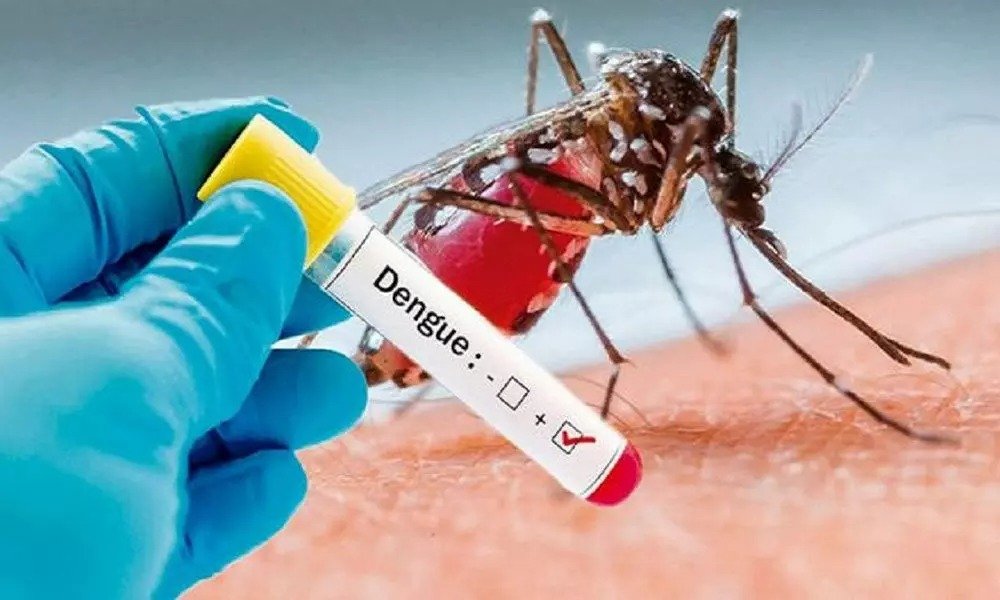
New Delhi, 05 June 2025: With the onset of monsoon and rising humidity levels, India is once again facing the annual threat of dengue fever—a mosquito-borne viral infection that spreads rapidly during the rainy season. Several states have already reported a spike in dengue cases, raising public health concerns and putting immense pressure on local healthcare systems. As hospitals begin to prepare for a seasonal outbreak, it is crucial for citizens to take proactive measures to prevent infection and stay safe.
Dengue, transmitted by the Aedes aegypti mosquito, is not just another seasonal fever. In severe cases, it can cause internal bleeding, dangerously low platelet counts, organ damage, and even death. With no specific antiviral treatment currently available, prevention is the best cure. In this article, we explore how the dengue threat is rising across India, who is most vulnerable, and what you can do to protect yourself and your family.
What Is Dengue Fever?
Dengue is a viral infection caused by four distinct but related viruses (DENV-1, DENV-2, DENV-3, and DENV-4). It spreads when a mosquito carrying the virus bites a person. The Aedes mosquito is a daytime biter, most active early in the morning and before dusk. These mosquitoes breed in stagnant clean water and are commonly found in homes, schools, offices, and construction sites.
Common symptoms of dengue include high fever, severe headaches, pain behind the eyes, joint and muscle pain, skin rash, nausea, and fatigue. In extreme cases, dengue can escalate to Dengue Hemorrhagic Fever (DHF) or Dengue Shock Syndrome (DSS), both of which are life-threatening and require immediate hospitalization.
Why Is Dengue Spreading Rapidly in India?
Several factors contribute to the rise in dengue cases across India. The monsoon season, marked by waterlogging and increased humidity, creates the perfect breeding ground for mosquitoes. Inadequate waste disposal, poor drainage systems, unplanned urbanization, and climate change are additional contributors to the surge in dengue infections.
States like Maharashtra, Delhi, Kerala, Uttar Pradesh, Tamil Nadu, and West Bengal report thousands of cases annually, especially from June to October. According to the National Center for Vector Borne Diseases Control (NCVBDC), dengue has become a major public health burden, with over 100,000 reported cases in 2024 alone.
Who Is at Higher Risk?
While dengue can affect anyone, some people are more vulnerable to complications:
- Children and elderly individuals
- People with weak immune systems
- Pregnant women
- Individuals with pre-existing conditions like diabetes or hypertension
Secondary infections (i.e., getting infected with another strain after recovering from one) can be more dangerous and increase the risk of severe dengue.
How to Prevent Dengue Fever: Essential Safety Tips
1. Eliminate Mosquito Breeding Grounds
One of the most effective ways to prevent dengue is to stop mosquito breeding in and around your home. The Aedes mosquito lays eggs in stagnant water, so ensure:
- No water collects in flowerpots, coolers, birdbaths, buckets, or unused tires.
- Water storage containers are covered with tight-fitting lids.
- Drains and gutters are cleaned regularly to avoid blockage.
2. Use Mosquito Repellents and Nets
Applying mosquito repellent creams or sprays, especially during peak mosquito activity hours, can reduce your risk of bites. Choose repellents containing DEET, picaridin, or lemon eucalyptus oil. Use mosquito nets while sleeping, even during the day, and install mesh screens on windows and doors.
3. Wear Protective Clothing
Dress in light-colored, long-sleeved shirts, full pants, and closed footwear to minimize skin exposure. The Aedes mosquito tends to bite around the ankles, wrists, and neck.
4. Use Natural Remedies and Indoor Plants
Several natural mosquito repellents like neem oil, citronella oil, and camphor can used indoors to keep mosquitoes away. Plants like tulsi, lemongrass, lavender, and marigold also act as natural deterrents.
5. Fogging and Community Action
Government agencies often conduct fogging in high-risk areas, but community participation is key. Participate in awareness drives, ensure local garbage is disposed of properly, and report water stagnation to municipal authorities.
What to Do If You Suspect Dengue?
If you develop high fever with joint pain, rash, and fatigue, consult a doctor immediately. Avoid self-medication, especially with painkillers like ibuprofen or aspirin, as they can worsen bleeding risks. Doctors typically recommend:
- Paracetamol to manage fever
- Hydration therapy with fluids and oral rehydration salts
- Regular monitoring of platelet count and hematocrit levels
Hospitalization may be necessary in severe cases. Timely diagnosis and treatment can drastically reduce the risk of complications.
Is There a Vaccine for Dengue?
Yes, some dengue vaccines have developed and are in use in certain countries. However, widespread use still limited in India due to varying effectiveness and the need for further safety studies. Prevention through environmental control and personal protection remains the primary method to combat dengue in India at this point.
The rising dengue threat in India is a pressing concern that requires both individual vigilance and community effort. With no specific treatment or fully effective vaccine yet, prevention is the best line of defense. By adopting simple habits like eliminating standing water, using mosquito repellents, wearing protective clothing, and spreading awareness, you can protect yourself and your loved ones from dengue fever.
As the monsoon season approaches, let’s not lower our guard. Together, we can stop the spread of dengue and ensure a healthier, safer environment for all.

















Leave a comment