

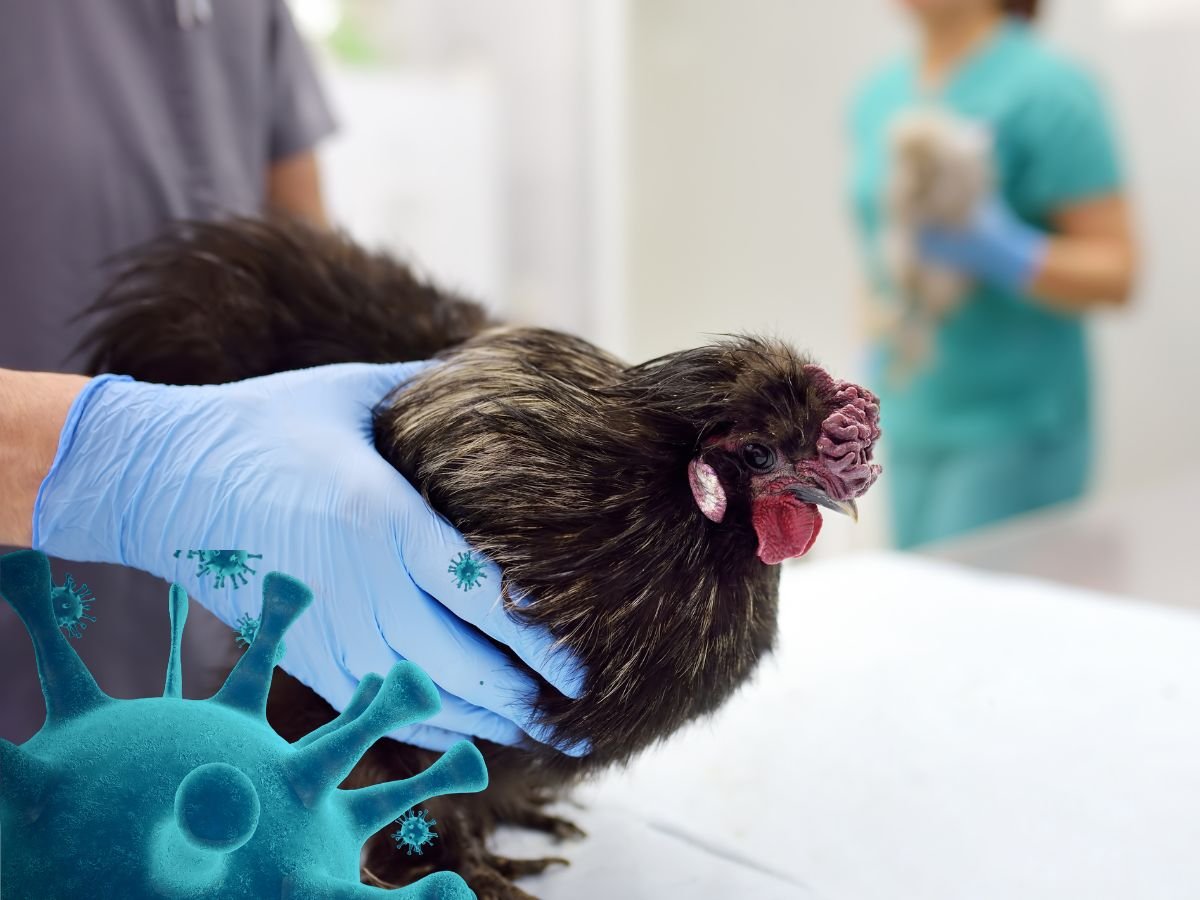
New Delhi, 24 October, 2025: Europe is witnessing a worrying surge in bird flu (avian influenza) cases far earlier than expected this year, raising fears of another major health and economic crisis. The unusually rapid spread of the virus across the continent has alarmed health authorities, farmers, and policymakers, who are now scrambling to contain the outbreak before winter migration peaks.
Between late summer and mid-autumn, dozens of highly pathogenic avian influenza (HPAI) outbreaks were confirmed across multiple European nations — marking one of the earliest and most intense seasonal onsets in more than a decade. Experts warn that if the virus continues spreading at this pace, the coming months could see widespread poultry losses, food supply disruptions, and increased risk of cross-species infection.
Unprecedented Early Spread Across Europe
Typically, Europe sees major bird flu activity in late autumn or early winter, coinciding with the arrival of migratory birds from colder regions. However, this year, new cases began appearing as early as August — a signal that the virus may already be deeply entrenched in wild bird populations.
Major poultry-producing countries like France, Germany, Spain, and Poland have reported multiple farm outbreaks, forcing authorities to impose strict containment measures. In some regions, poultry farms have been ordered to keep all birds indoors, while others have activated emergency vaccination programs for high-risk flocks such as ducks and turkeys.
What makes this outbreak particularly concerning is not just its timing, but also its geographic scope. Cases have been reported from Western Europe to Eastern Europe, suggesting a wide, fast-moving viral circulation through migratory pathways.
Why the Surge Is So Concerning
While the immediate risk of human infection remains low, the economic, environmental, and health implications of such an early outbreak are serious.
- Massive poultry losses: Past bird flu waves have led to the culling of millions of chickens, ducks, and geese to stop transmission. Early infections this year could mean an even greater impact on poultry production through the winter months.
- Rising food prices: The poultry industry supplies a major portion of Europe’s meat and egg market. Disruptions in production and trade could drive up costs for consumers already struggling with inflation.
- Increased risk of mutation: The more the virus spreads among wild and domestic birds — and now, increasingly, mammals — the higher the chances of it mutating into a form that could infect humans more easily.
- Trade restrictions: Export bans and tightened biosecurity rules may hit the poultry export sector hard, affecting farmers and national economies.
These developments underline how an animal disease outbreak can quickly evolve into a multifaceted crisis — affecting health, food security, and trade simultaneously.
What’s Driving the Early Spread
Several interlinked factors may be contributing to this year’s unusually rapid onset of avian influenza across Europe.
1. Migratory Bird Patterns Changing
Migratory birds are known reservoirs of the H5N1 virus strain. Climate change has altered migration patterns, with some species moving earlier or staying longer in Europe, giving the virus more time to spread. Rising global temperatures and changing weather conditions may also be helping the virus survive longer in the environment.
2. Cross-Species Transmission
Recent reports of bird flu in mammals — including mink, cats, and even dairy cattle — indicate that the virus is adapting in new ways. This raises concerns that the pathogen could establish itself in non-avian species, making eradication harder and increasing the possibility of spillover to humans.
3. Dense Poultry Farming
Europe’s industrial poultry farming systems, where thousands of birds live in close proximity, create an ideal environment for viral amplification. Even a small breach in biosecurity can lead to rapid spread across multiple farms.
4. Gaps in Biosecurity
Some smaller farms and backyard poultry keepers may lack the resources or training to implement strict biosecurity protocols. This leaves gaps that the virus can exploit, jumping between domestic flocks and wild bird populations.
5. Environmental Conditions
Wetter autumns, milder winters, and extended migration periods provide favorable conditions for virus persistence. This may explain why cases are appearing earlier each year, despite ongoing containment efforts.
How Europe Is Responding
Governments and public health agencies have moved swiftly to contain the outbreak. The response includes:
- Mandatory confinement orders for poultry in high-risk zones to prevent contact with wild birds.
- Intensified surveillance in both wild and domestic bird populations to detect early signs of infection.
- Expansion of vaccination programs, particularly for ducks and turkeys, which are more susceptible and can act as viral carriers.
- Temporary trade restrictions and movement controls to stop the virus from spreading between regions.
- Rapid response teams mobilized for disinfection, culling, and safe disposal of infected birds.
Despite these measures, experts warn that containment will be difficult if the virus is already widespread among migratory birds. Once wild populations are infected, the disease becomes nearly impossible to eradicate completely.
What the Public Should Know
Although bird flu primarily affects birds, humans are not entirely risk-free. Direct contact with infected birds, contaminated equipment, or surfaces can lead to rare cases of human infection. However, such transmissions are typically limited to farm workers and those handling infected poultry.
Authorities stress that properly cooked poultry and eggs remain safe to eat, as the virus cannot survive the high temperatures used in cooking. Still, consumers are urged to follow basic hygiene practices — washing hands after handling raw poultry and avoiding contact with wild or sick birds.
The broader concern lies not in immediate human infection, but in long-term viral evolution. Each year, the H5N1 strain and its variants acquire new mutations. While most remain avian-specific, the possibility of one adapting for efficient human transmission is what keeps health agencies on high alert.
Economic and Environmental Fallout
The poultry sector is bracing for major losses if the outbreak worsens. Mass culling operations, though necessary to contain infection, result in substantial economic damage for farmers. Insurance payouts, compensation, and re-stocking costs place additional strain on governments already managing economic headwinds.
Beyond economics, there’s a growing environmental concern. Large-scale disposal of dead birds can cause soil and water contamination, while reduced bird populations may disrupt local ecosystems. The ripple effects of such outbreaks extend well beyond farms, affecting biodiversity and ecological balance.
Could the Virus Spread Beyond Europe?
Experts believe that the global risk of spread is high, especially as migratory birds travel across continents. The European outbreak may soon influence patterns in Africa, the Middle East, and South Asia — regions along major flyways that connect to European migratory routes.
Countries outside Europe are therefore being urged to tighten surveillance and border checks on poultry imports, monitor wild bird populations, and prepare emergency response plans in case of cross-border transmission. Nations with dense poultry production, such as India and China, are particularly vulnerable due to similar farming systems and climatic conditions that favor viral persistence.
The current situation underscores the need for a unified global response to avian influenza. The virus respects no borders, and its control requires coordinated action — from sharing genetic data on new strains to harmonizing vaccination strategies.
Investing in research and development of next-generation vaccines, improving farm biosecurity, and establishing early-warning systems are all crucial. Scientists are also exploring whether mRNA vaccine technology, which proved successful against COVID-19, can be adapted for poultry and even humans to combat avian flu strains more effectively.
The early and rapid spread of bird flu across Europe serves as a stark reminder of the fragile balance between nature, agriculture, and human health. It highlights the ongoing threat of zoonotic diseases in an interconnected world where climate change, globalization, and intensive farming amplify risks.
While the situation is serious, proactive measures — strict surveillance, vaccination, and strong cross-border coordination — can still prevent a full-blown crisis. The next few months will be critical in determining whether Europe can contain the outbreak or if the world will face another widespread epidemic.
For now, vigilance is key. As history shows, early action can make the difference between a contained outbreak and a global emergency.

















Leave a comment