

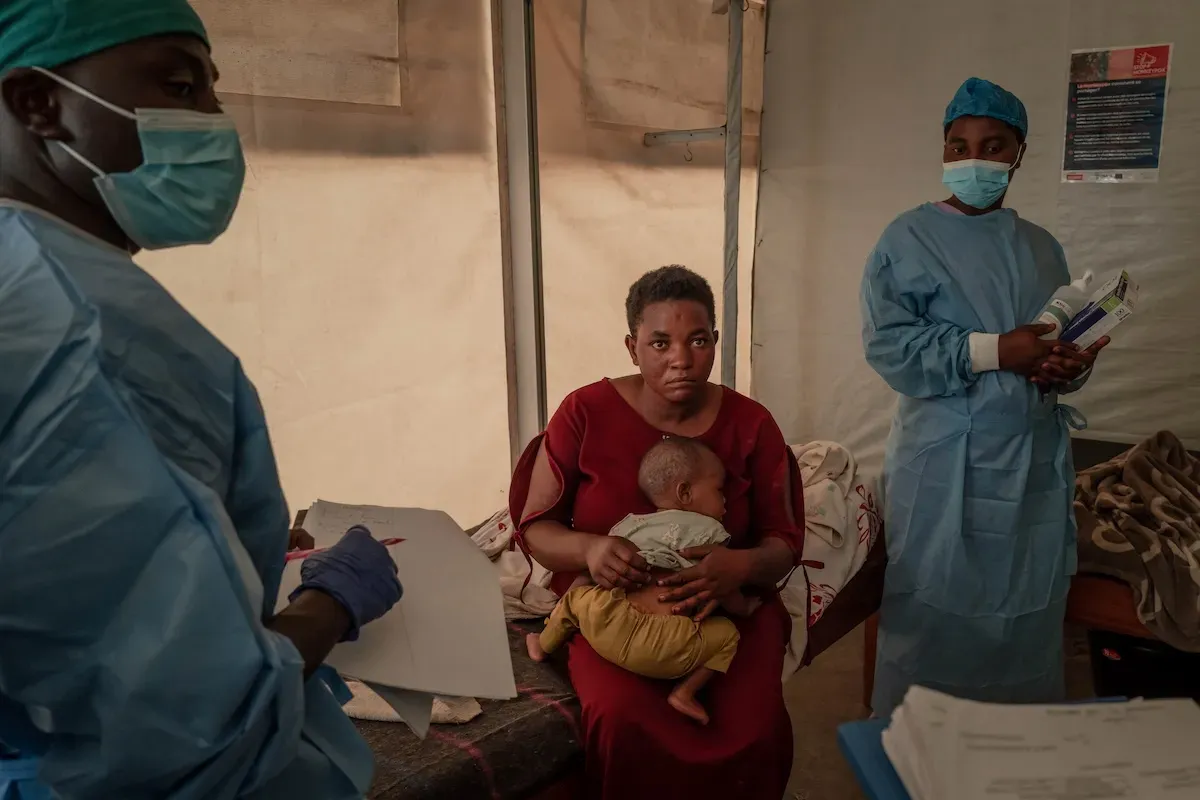
New Delhi, September 03: As the global health community continues to navigate the Mpox (Monkeypox) outbreak. The United Nations Children’s Fund (UNICEF) has issued a pressing call to prioritize the needs of children affected by the virus. UNICEF emphasizes that children, while often overlooked in public health emergencies. Are particularly vulnerable to the impacts of Mpox and require targeted interventions.
Symptoms of Mpox In Children
While adults have been disproportionately affected by Mpox in many countries, children are not immune to the virus. They may experience severe symptoms, including:
- Rash: A painful, itchy rash that can spread to various parts of the body.
- Fever: High temperature.
- Headache: Severe pain.
- Muscle aches: Pain in the muscles and joints.
- Fatigue: Extreme tiredness.
- Swollen lymph nodes: Enlarged lymph nodes in the neck, armpits, or groin.
In some cases, children may also experience complications such as:
- Pneumonia: Inflammation of the lungs.
- Encephalitis: Inflammation of the brain.
According to UNICEF, children can be exposed at home or in the community through close contact with people who are symptomatic with mpox including parents, and caregivers.
Unique Challenges Faced by Children
Children face unique challenges in the context of the Mpox outbreak, including:
- Limited access to healthcare: Many children in low-income countries may lack access to adequate healthcare services, making it difficult to diagnose and treat Mpox.
- Stigma and discrimination: Children may be stigmatized or discriminated against due to the virus, leading to social isolation and psychological distress.
- Impact on education: School closures and disruptions to education can have a significant impact on children’s development and well-being.
UNICEF’s Response
UNICEF is working tirelessly to address the needs of children affected by Mpox. Key priorities include:
- Providing essential health services: Ensuring that children have access to timely diagnosis, treatment, and care for Mpox.
- Promoting vaccination: Supporting the rollout of Mpox vaccines, prioritizing children at high risk.
- Addressing stigma and discrimination: Raising awareness about Mpox and combating stigma associated with the virus.
- Supporting mental health: Providing psychosocial support to children affected by Mpox and their families.
- Ensuring continuity of education: Supporting efforts to maintain education during outbreaks and prevent school closures.
Mpox Outbreak: Call to Action
UNICEF is urging governments, healthcare providers, and communities to prioritize the needs of children in the Monkeypox response. This includes:
- Investing in child-friendly healthcare services: Ensuring that healthcare facilities are equipped to provide care for children with Mpox.
- Raising awareness about Mpox in children: Educating healthcare providers and communities about the symptoms and risks of Mpox in children.
- Protecting children from stigma and discrimination: Promoting a culture of respect and inclusivity for children affected by Mpox.
- Ensuring access to education: Prioritizing education during outbreaks and preventing school closures.
- Supporting research and development: Investing in research to better understand the impact of Mpox on children and develop effective prevention and treatment strategies.
The current Monkeypox virus outbreak has highlighted the urgent need to prioritize the needs of children. UNICEF said it is working with Africa CDC and WHO, as well as other partners such as USAID and FCDO, to support national governments.
“Our response is comprehensive, focusing on children, pregnant women and underserv communities, prioritizing the interruption of disease and addressing the secondary impacts on children and communities, such as child protection and school closures,” it stressed.
The WHO has also said it is working to accelerate access to and delivery of Monkeypox vaccines.
India’s Response to Monkeypox
India has maintained a vigilant stance against Monkeypox, implementing robust measures to prevent its spread and ensure public health safety.
While the country has reported a limited number of cases since the global outbreak, the government has taken proactive steps to strengthen its surveillance systems, healthcare preparedness, and public awareness campaigns.
Key aspects of India’s response to Monkeypox include:
- Surveillance and Contact Tracing: A comprehensive surveillance system has been established to identify and track potential cases, with a focus on early detection and contact tracing.
- Healthcare Preparedness: Hospitals and healthcare facilities have been equipped to handle Monkeypox cases, with guidelines issued for diagnosis, treatment, and isolation.
- Public Awareness Campaigns: The government has launched public awareness campaigns to educate the public about the symptoms, transmission, and prevention of Monkeypox.
- International Collaboration: India has collaborated with international health organizations to share information, best practices, and resources related to Monkeypox.
Read Also – Blood Tests Can Predict Heart Attack and Stroke Risk in Women, Study Reveals
“Prime Minister Shri Narendra Modi continues to monitor the MPox situation in view of its declaration as a Public Health Emergency of International Concern by WHO“. Despite the limited number of cases in India, the government remains committed to maintaining a high level of preparedness to address any potential future challenges posed by Monkeypox.












Leave a comment