

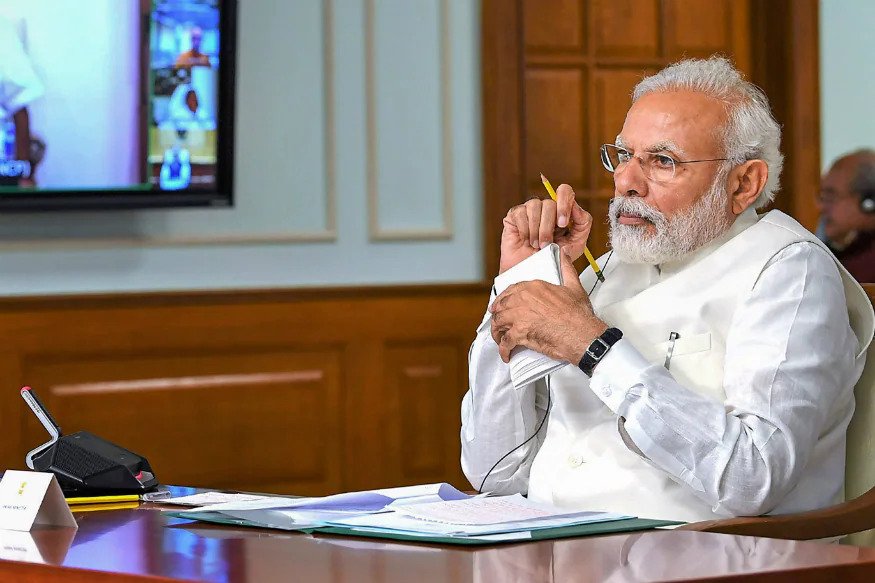
In light of the growing global concern over Mpox, Prime Minister Narendra Modi has been closely monitoring the situation to ensure India is well-prepared. On August 14, 2024, the World Health Organization (WHO) once again declared Mpox a Public Health Emergency of International Concern (PHEIC), especially considering the increasing spread in parts of Africa, particularly the Democratic Republic of Congo.
Global Overview of Mpox
The resurgence of Mpox has been alarming. Since 2022, a total of 99,176 cases and 208 deaths have been reported across 116 countries. In the Democratic Republic of Congo alone, the situation has worsened significantly, with over 15,600 cases and 537 deaths recorded this year, surpassing last year’s figures. India has not remained untouched by the virus; since WHO’s 2022 declaration, 30 cases have been identified in the country, with the last reported case in March 2024.
India’s Preparedness and Government Actions
To address this global health threat, a high-level meeting was chaired by Dr. P. K. Mishra, Principal Secretary to the Prime Minister, on Prime Minister Modi’s advice. The meeting focused on reviewing India’s current preparedness against Mpox and evaluating the public health measures in place.
During the meeting, it was reported that there are currently no active Mpox cases in India. The overall risk of a significant outbreak with sustained transmission in the country remains low. However, Dr. P. K. Mishra emphasized the need for continued vigilance and proactive measures to prevent any potential spread.
Understanding Mpox Transmission and Symptoms
Mpox is a viral infection that typically lasts between 2-4 weeks. Patients usually recover with proper supportive medical care. The virus primarily spreads through prolonged and close contact with an infected person. This can occur via direct contact with the patient’s body fluids or lesion fluids or through contaminated clothing or bedding. While Mpox can spread through sexual contact, it is not exclusively a sexually transmitted infection.
Recent Measures Taken by Health Authorities
To strengthen India’s defenses against Mpox, several crucial steps have been taken over the past week:
– Risk Assessment by Experts:
On August 12, 2024, the National Centre for Disease Control (NCDC) held a meeting of experts to assess the risk of Mpox spreading in India. This was a proactive step to understand the current scenario and adapt the country’s response accordingly.
– Updating Disease Alerts:
The NCDC has updated its Communicable Disease (CD) Alert on Mpox to reflect the latest developments and provide accurate information to healthcare providers and the public.
– Sensitizing Health Teams at Ports of Entry:
Health teams at international airports and other ports of entry have been sensitized to the potential risk of Mpox. This ensures that any incoming passengers showing symptoms can be quickly identified and managed.
Strengthening Surveillance and Testing
In a video conference convened by the Director General of Health Services (DGHS), over 200 participants, including state-level health authorities and units from the Integrated Disease Surveillance Programme (IDSP), were briefed on the situation. They were reminded of the importance of heightened surveillance, particularly at ports of entry, to ensure that any new cases are promptly detected.
Dr. P. K. Mishra directed that the surveillance network be further strengthened and that measures be taken to ensure the quick detection of any Mpox cases. He also emphasized the need to enhance the testing laboratory network, which currently consists of 32 labs capable of diagnosing Mpox. This is crucial for early identification and containment of any potential outbreak.
Awareness and Prevention Campaigns
To effectively combat Mpox, it is vital that healthcare providers are well-informed about the disease. Dr. Mishra instructed that the protocols for preventing and treating Mpox be widely disseminated. Additionally, an awareness campaign targeting healthcare providers is underway to ensure they can recognize the signs and symptoms of Mpox and report cases promptly to the surveillance system.
The meeting was attended by several key officials, including Dr. V.K. Paul from NITI Aayog, Health Secretary Apurva Chandra, and other senior members from various ministries. Their collective efforts reflect the Indian government’s commitment to staying ahead of the Mpox threat and ensuring public health safety.















Leave a comment