

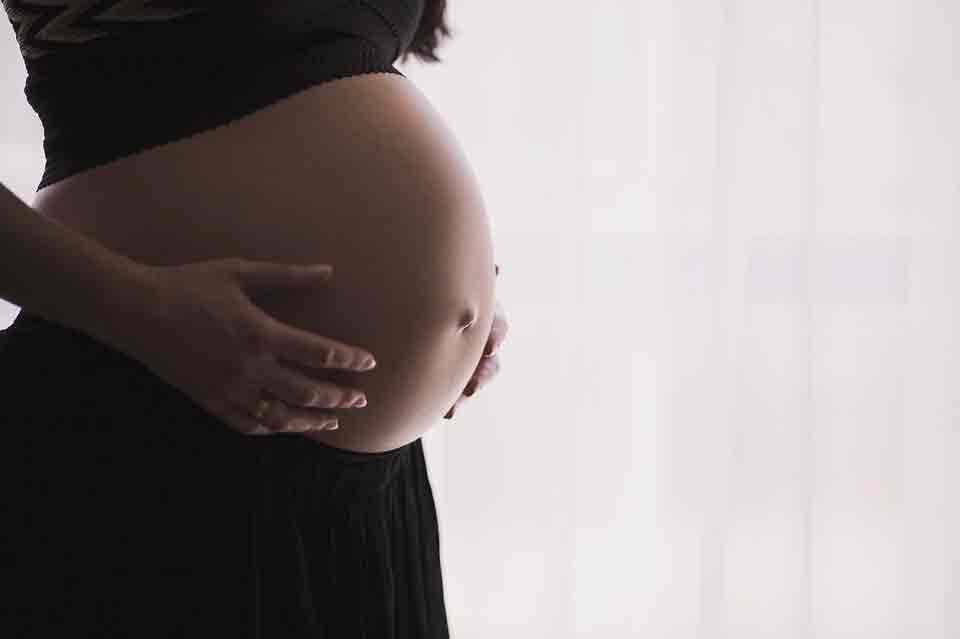
Pregnancy results in a unique physiological transformation which creates specific requirements for a woman’s blood system. The body initiates a complex internal resource adjustment process which continues until the new life reaches full growth starting from the moment conception occurs. Medical professionals generally deal with pregnant women who experience unexpected changes in their blood chemistry throughout their nine-month term, as their body fluid volume increases to support the developing fetus.
Blood Changes During Pregnancy
According to Dr Chandni R, Consultant – Obstetrician & Gynaecologist, “Maternal health and fetal development depend on understanding the variations that happen to the haemoglobin and platelet count, which go beyond basic clinical information. The metabolic stress of pregnancy shows through these levels which serve as precise indicators of how the body manages its metabolic load during this time.”
Why Haemoglobin Levels Are Important in Pregnancy?
Haemoglobin serves as the body’s primary oxygen transport system, delivering the oxygen essential for cellular energy to both the mother and the developing placenta. A pregnant woman needs to increase her blood capacity by almost 50 percent because her unborn child depends on her for all oxygen needs. The body experiences natural dilution because plasma volume increases at a rate that exceeds red blood cell production.
However, women must maintain their haemoglobin levels at healthy values because this measurement functions as an essential health assessment tool. The risk of complications during labor, which includes excessive bleeding and the need for a transfusion, increases when low levels of the condition cause profound fatigue and dizziness.
How to Increase Haemoglobin Naturally During Pregnancy?
People need to study their iron metabolism because it is a natural method to increase their haemoglobin levels. The body exhibits optimal absorption capacity for heme iron which exists in lean meats and poultry as the most rapidly absorbed form of iron. Plant-based dieters can obtain necessary iron through non-heme iron which exists in lentils, chickpeas, and spinach. The power of Vitamin C functions as the secret which enables people to access plant-based iron. The combination of iron-rich foods, citrus fruits, and bell peppers produces a combined effect which improves iron absorption.
Platelet Count in Pregnancy: Why It Matters
While oxygen moves through the body, the blood must also maintain its ability to protect the mother. The body uses platelets to perform their vital role in blood clotting, acting as the first responders whenever a blood vessel is damaged. The delivery process needs women to keep their platelets within safe limits because, although most cases of low platelet levels, often called gestational thrombocytopenia, present no danger, very low counts can affect the safety of certain medical procedures like epidurals.
Natural platelet production requires people to eat foods that contain both Vitamin B12 and Folate (Vitamin B9) because these vitamins function as essential components needed for blood cell creation and DNA synthesis.
Best Foods to Maintain Healthy Platelet Levels During Pregnancy
Pregnant women should eat eggs and dairy to get enough B12. Folate is also found in dark leafy greens and asparagus. Expectant mothers can make sure they and their babies get what they need to grow by staying informed and eating whole foods that are high in nutrients. This way of eating helps the blood system and gives the body the energy it needs to give birth and heal.
Disclaimer: Dear readers, this article provides general information and advice only. It is not at all professional medical advice. Therefore, always consult your doctor or a healthcare specialist for more information. HealthWireMedia.com does not claim responsibility for this information.











Leave a comment