

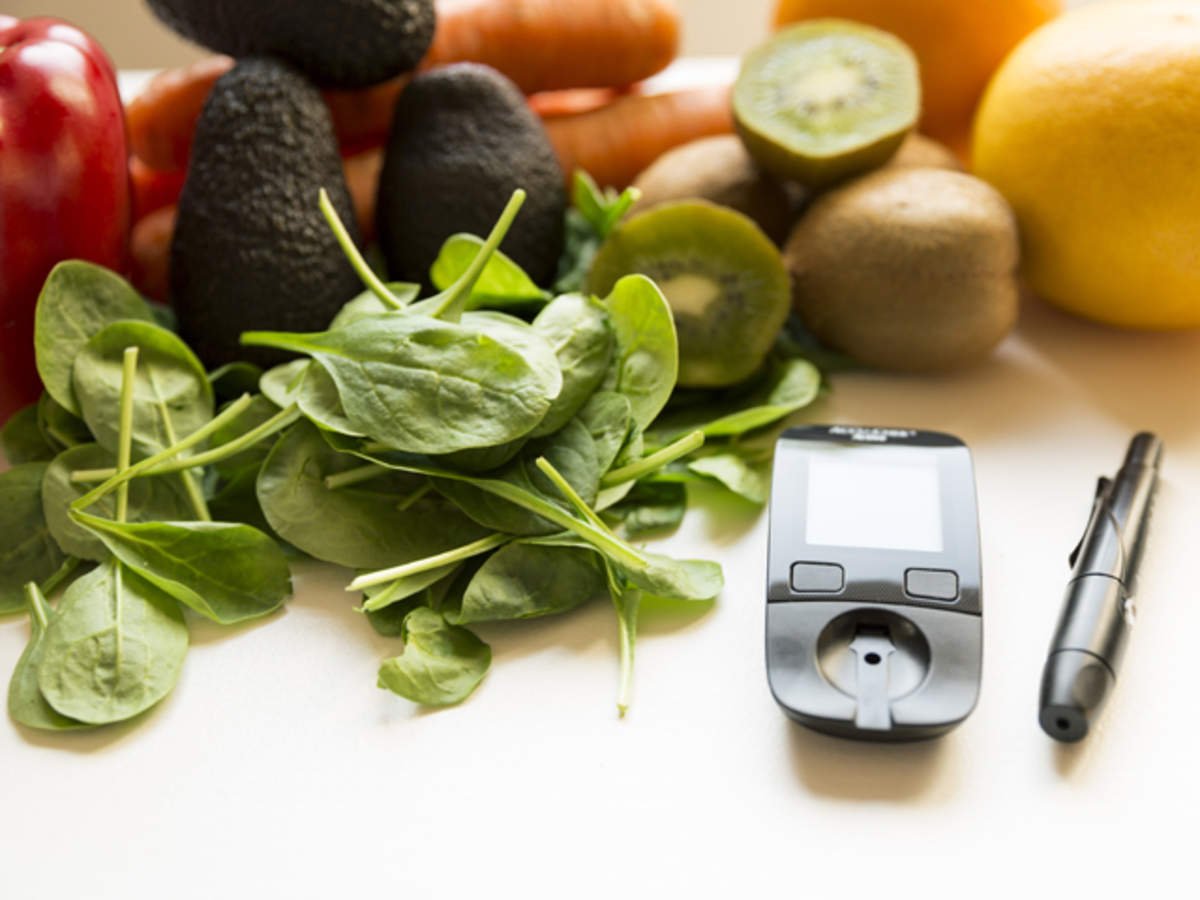
New Delhi, 02 September 2025: Every year, National Nutrition Week is observed to spread awareness about the importance of healthy eating and balanced nutrition. In 2025, the focus is once again on making informed food choices, especially when it comes to three silent culprits in our daily diet – sugar, salt, and oil. While these ingredients enhance the taste of food, overconsumption can lead to life-threatening health issues including obesity, heart disease, diabetes, and high blood pressure.
So, the big question is – how much is too much? Let’s break it down.
The Hidden Dangers of Excess Sugar
How Much Sugar Should You Consume Daily?
According to the World Health Organization (WHO), an adult should not consume more than 25 grams (about 6 teaspoons) of added sugar per day. Unfortunately, the average person often consumes two to three times this amount, mostly from packaged foods, desserts, soft drinks, and even seemingly “healthy” juices.
What Happens When You Eat Too Much Sugar?
- Weight Gain & Obesity: Excess sugar gets stored as fat, especially around the belly.
- Diabetes Risk: High sugar intake causes insulin resistance, increasing the risk of type-2 diabetes.
- Heart Disease: Too much sugar raises triglycerides and harmful cholesterol levels.
- Tooth Decay: Sugar feeds bacteria in the mouth, leading to cavities.
Tips to Cut Down Sugar
- Avoid packaged drinks and sodas.
- Read labels carefully to check for “hidden sugars” like corn syrup, maltose, or dextrose.
- Replace desserts with fresh fruits.
- Choose jaggery or honey in moderation instead of refined sugar.
The Silent Killer – Salt
How Much Salt is Safe?
The WHO recommends that an adult should consume less than 5 grams of salt (about 1 teaspoon) per day. However, studies show that people in India and worldwide often consume nearly double this limit.
Risks of Excess Salt
- High Blood Pressure: Too much sodium retains water in the body, increasing blood pressure.
- Kidney Damage: The kidneys struggle to remove excess sodium, leading to kidney stones and chronic kidney disease.
- Stroke & Heart Disease: High salt intake directly contributes to cardiovascular problems.
- Bloating & Water Retention: Extra sodium makes you feel bloated and uncomfortable.
Ways to Reduce Salt Intake
- Cut down on processed foods, pickles, papads, and packaged snacks.
- Use herbs and spices like lemon, ginger, garlic, or black pepper for flavor instead of extra salt.
- Check food labels for sodium content.
- Avoid sprinkling raw salt on salads or cooked meals.
Oil: The Double-Edged Sword
How Much Oil Should You Consume?
The Indian Council of Medical Research (ICMR) recommends that an adult should consume 20–30 grams (4–6 teaspoons) of visible fat (oil, ghee, butter) per day. Anything beyond this can lead to obesity and heart disease.
Types of Oils – Which Ones to Choose?
- Healthy Oils: Mustard oil, olive oil, sunflower oil, rice bran oil, and groundnut oil in moderation.
- Unhealthy Oils: Reused fried oil, hydrogenated oils, and trans fats (often found in fast food).
Dangers of Excess Oil
- Obesity: High-calorie oils quickly add up, leading to weight gain.
- Heart Problems: Saturated and trans fats clog arteries and increase the risk of heart attack.
- Digestive Issues: Oily food can cause acidity, indigestion, and sluggishness.
Tips to Control Oil Intake
- Use non-stick cookware to reduce the need for oil.
- Avoid deep-fried foods, choose grilling, baking, or steaming instead.
- Switch between different oils to get balanced fatty acids.
- Measure oil with a spoon instead of pouring directly from the bottle.
Balancing Sugar, Salt And Oil: The Key to Healthy Living
It’s not about completely eliminating sugar, salt, or oil from your diet. Instead, the goal is moderation and mindful eating.
Practical Daily Tips:
- Drink plain water or coconut water instead of packaged juices.
- Cook at home more often so you can control sugar, salt, and oil levels.
- Add natural flavors like herbs, spices, lemon juice, or vinegar to reduce dependency on salt and oil.
- Satisfy your sweet cravings with fresh fruit or a small piece of dark chocolate instead of cakes or pastries.
- Practice portion control – even healthy oils and natural sweeteners should be consumed in moderation.
Why National Nutrition Week 2025 Matters
In today’s fast-paced life, junk food and processed snacks often replace home-cooked meals. This trend has led to rising cases of obesity, diabetes, hypertension, and lifestyle-related illnesses in India and across the globe. National Nutrition Week serves as a reminder to evaluate our eating habits and make healthier choices for ourselves and our families.
This year’s message is clear: watch your sugar, salt, and oil intake. These three common ingredients may seem harmless but can silently damage your health over time.
Good nutrition is the foundation of a healthy life. As we mark National Nutrition Week 2025, let’s pledge to be mindful of what goes on our plate. By controlling sugar, salt, and oil intake, we can protect ourselves from life-threatening diseases and enjoy long-lasting wellness.
Remember – small changes in your daily diet can bring big health benefits. Moderation, awareness, and balance are the keys to better living.

















Leave a comment