

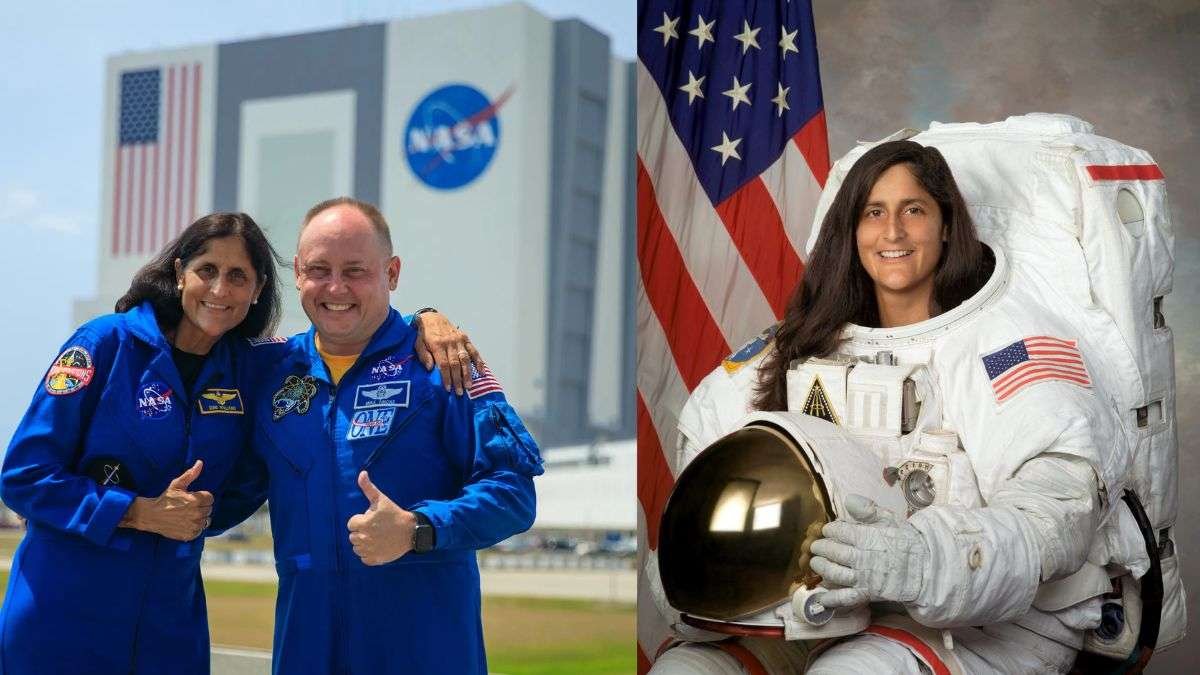
Space exploration, while a monumental achievement for humanity, comes with its own set of unique health challenges. One such challenge is the increased risk of renal calculi, or kidney stones, among astronauts. Recent studies and anecdotal evidence suggest that the microgravity environment of space can create conditions conducive to the formation of these painful stones.
The Link Between Spaceflight and Renal Calculi
Several factors contribute to the elevated risk of renal calculi in astronauts:
Dehydration: The microgravity environment of space can make it difficult for astronauts to regulate their fluid intake. This can lead to dehydration, which is a primary risk factor for kidney stones. Dehydration can concentrate urine, making it more likely for minerals to crystallize and form stones.
Dietary Changes: Astronauts’ diets in space are carefully plan to meet their nutritional needs while minimizing waste. However, these diets may be different from what they accustom to on Earth. Changes in dietary habits can affect the balance of minerals and electrolytes in the body. Potentially increasing the risk of stone formation.
Reduced Physical Activity: While astronauts engage in regular exercise to counteract the effects of microgravity. Their physical activity levels may still be different from those on Earth. Reduced physical activity can affect kidney function and contribute to the formation of kidney stones.
Calcium Metabolism: The microgravity environment can alter calcium metabolism in the body. This can lead to changes in the balance of calcium and other minerals in the urine, increasing the risk of stone formation.
Sunita Williams’ Experience
While there hasn’t been a specific public announcement regarding Sunita Williams’ health status related to renal calculi. It is worth noting that she has spent significant time in space. Including serving as the commander of the International Space Station. Given the increased risk of kidney stones among astronauts, it is possible that she or other astronauts may have experienced this condition during or after their missions.
Renal Calculi: Prevention and Treatment
To mitigate the risk of renal calculi in astronauts, NASA and other space agencies have implemented various strategies:
Hydration: Astronauts encouraged to drink plenty of fluids to stay hydrated. This helps prevent the concentration of urine and reduces the risk of stone formation.
Dietary Adjustments: Nutritionists carefully monitor astronauts’ diets to ensure they are consuming adequate amounts of minerals and electrolytes. Adjustments may be made to prevent imbalances that can contribute to stone formation.
Medication: In some cases, astronauts may prescribed medications to help prevent or treat kidney stones. These medications can help reduce the formation of crystals and prevent stones from growing.
Monitoring: Astronauts’ health is closely monitor during and after their missions. This includes regular check-ups and tests to detect any signs of kidney stones or other health problems.
Read Also – NASA Astronaut Sunita Williams, Butch Willmore May Suffer Space Anaemia After Prolonged Stay On ISS
The risk of renal calculi is a significant health concern for astronauts. While the exact mechanisms underlying this increased risk are still being studied, it is clear that the unique conditions of spaceflight can create an environment conducive to stone formation. By implementing preventive measures and monitoring astronauts’ health, NASA and other space agencies are working to protect the well-being of their personnel and ensure the continued success of space exploration.
















Leave a comment