

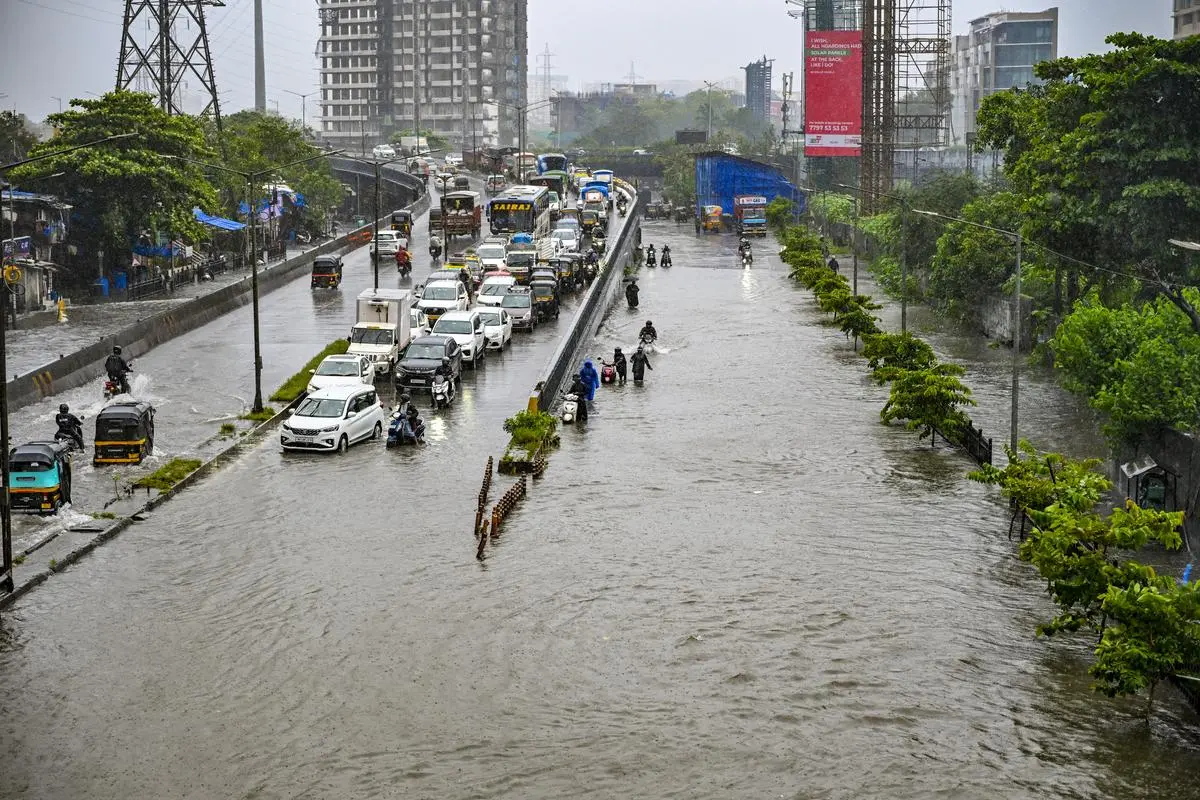
New Delhi, 20 August 2025: As heavy monsoon rains continue to lash Mumbai and parts of Maharashtra, the city is battling not just floods but also a growing threat of water-borne diseases. Widespread waterlogging, contaminated drinking water, and disrupted sanitation services are ideal conditions for disease outbreaks. While authorities work to control the damage, public awareness is crucial.
Here are 5 water-borne diseases that can spread rapidly during and after floods – and what you can do to protect yourself and your family.
1. Cholera And Acute Gastroenteritis
Cholera and gastroenteritis are among the most common and dangerous illnesses that follow floods. These diseases are typically caused by ingesting water or food contaminated with bacteria and viruses. Symptoms include severe diarrhea, nausea, vomiting, abdominal cramps, and rapid dehydration.
When floodwaters mix with sewage and enter drinking water supplies, the risk of contamination rises significantly. Cholera, if untreated, can be fatal within hours. Gastroenteritis also poses serious health threats, especially to children, the elderly, and people with weakened immunity.
How to stay safe:
- Drink only boiled, filtered, or chemically treated water.
- Avoid eating raw or uncovered street food.
- Wash your hands frequently with soap, especially before meals and after using the toilet.
2. Typhoid & Viral Hepatitis (A and E)
Typhoid fever, caused by bacteria in contaminated food and water, becomes a growing concern during floods. It presents with high fever, weakness, abdominal pain, and either diarrhea or constipation. In areas with poor drainage and damaged sewage systems, the disease can spread quickly.
Similarly, Hepatitis A and E viruses are transmitted via the fecal-oral route and often emerge during flooding. These viruses cause inflammation of the liver, with symptoms such as jaundice (yellowing of the skin or eyes), dark urine, fatigue, loss of appetite, and nausea.
Hepatitis E, in particular, is known to cause serious complications in pregnant women.
Prevention tips:
- Avoid raw or semi-cooked food, especially seafood.
- Wash fruits and vegetables thoroughly before eating.
- Maintain hand hygiene and use hand sanitizers when soap is unavailable.
- Consider vaccines for typhoid and hepatitis if living in high-risk areas.
3. Leptospirosis
Leptospirosis is a bacterial infection transmitted through water contaminated with the urine of infected animals, particularly rats. During floods, the chances of coming in contact with such water increases dramatically.
The infection begins with flu-like symptoms—high fever, muscle pain, chills, and headaches—but can quickly escalate to serious complications such as kidney damage, liver failure, respiratory distress, and even death if not treated promptly.
Those most at risk are people who wade through floodwaters without protection, such as municipal workers, commuters, and residents of low-lying areas.
How to protect yourself:
- Avoid walking through floodwaters when possible.
- Wear waterproof boots and gloves if exposure is unavoidable.
- Clean and disinfect any wounds immediately after exposure.
- Seek medical attention promptly if symptoms develop.
- In some cases, preventive antibiotics may be prescribed after exposure.
4. Tapeworm Infections (Neurocysticercosis)
Floods can also increase the risk of parasitic infections like tapeworm infestations. One such parasite, Taenia solium, enters the body through contaminated food or water. While intestinal infections may show few symptoms, the larvae can migrate to the brain in rare cases, leading to a condition called neurocysticercosis.
This condition can cause seizures, severe headaches, nausea, and neurological damage. Although not as common as other water-borne diseases, the long-term consequences make it a serious public health concern in flood-affected areas with poor sanitation.
Prevention tips:
- Avoid undercooked or improperly stored meat and fish.
- Drink clean water and avoid food exposed to floodwater.
- Practice good kitchen hygiene and cook all food thoroughly.
5. Fungal and Skin Infections
Constant exposure to wet conditions and contaminated water can lead to various skin and fungal infections. Common conditions include athlete’s foot, ringworm, bacterial skin infections, and more serious cases like cellulitis or fungal nail infections.
Even minor cuts or abrasions can turn into serious infections if exposed to dirty floodwater. In extreme cases, soft tissue infections can become severe and require urgent medical care.
Children, the elderly, and individuals with weakened immune systems are especially vulnerable.
Prevention tips:
- Keep your skin dry and clean as much as possible.
- Change out of wet clothes immediately after exposure.
- Apply antiseptic on any cuts, blisters, or wounds.
- Use antifungal powders or creams if you notice early signs of infection.
- Avoid walking barefoot in waterlogged areas.
Additional Health Tips During Floods
Given the range of risks during and after floods, taking the following general precautions can help reduce the spread of infections:
1. Drink Safe Water
- Boil water before use.
- Use chlorine tablets or water purifiers where needed.
- Store drinking water in clean, covered containers.
2. Practice Personal Hygiene
- Wash hands frequently with soap and clean water.
- Use sanitizers when soap and water aren’t available.
- Avoid touching your face, especially the mouth and eyes, with unwashed hands.
3. Handle Food With Care
- Eat freshly cooked meals.
- Avoid raw vegetables and salads unless you can clean them thoroughly.
- Don’t consume food that’s been left out or exposed to floodwaters.
4. Protect Yourself Physically
- Wear full-coverage clothing and waterproof footwear.
- Avoid wading through water unless absolutely necessary.
- Keep cuts and wounds covered and dry.
5. Seek Medical Attention Early
- Don’t ignore symptoms like persistent fever, vomiting, jaundice, rashes, or diarrhea.
- Visit a healthcare center as soon as possible if symptoms appear.
- Complete any prescribed medication, even if symptoms improve.
While Mumbai continues to recover from the immediate impact of flooding, the aftereffects could be equally dangerous if water-borne diseases are not controlled. The combination of stagnant water, compromised infrastructure, and disrupted hygiene makes it critical for everyone—residents, civic authorities, and healthcare providers—to remain vigilant.
Staying informed, following preventive measures, and acting quickly at the first sign of illness can go a long way in minimizing health risks during the monsoon season. Floodwaters may eventually recede, but public health must remain a top priority to prevent further loss and suffering.

















Leave a comment