

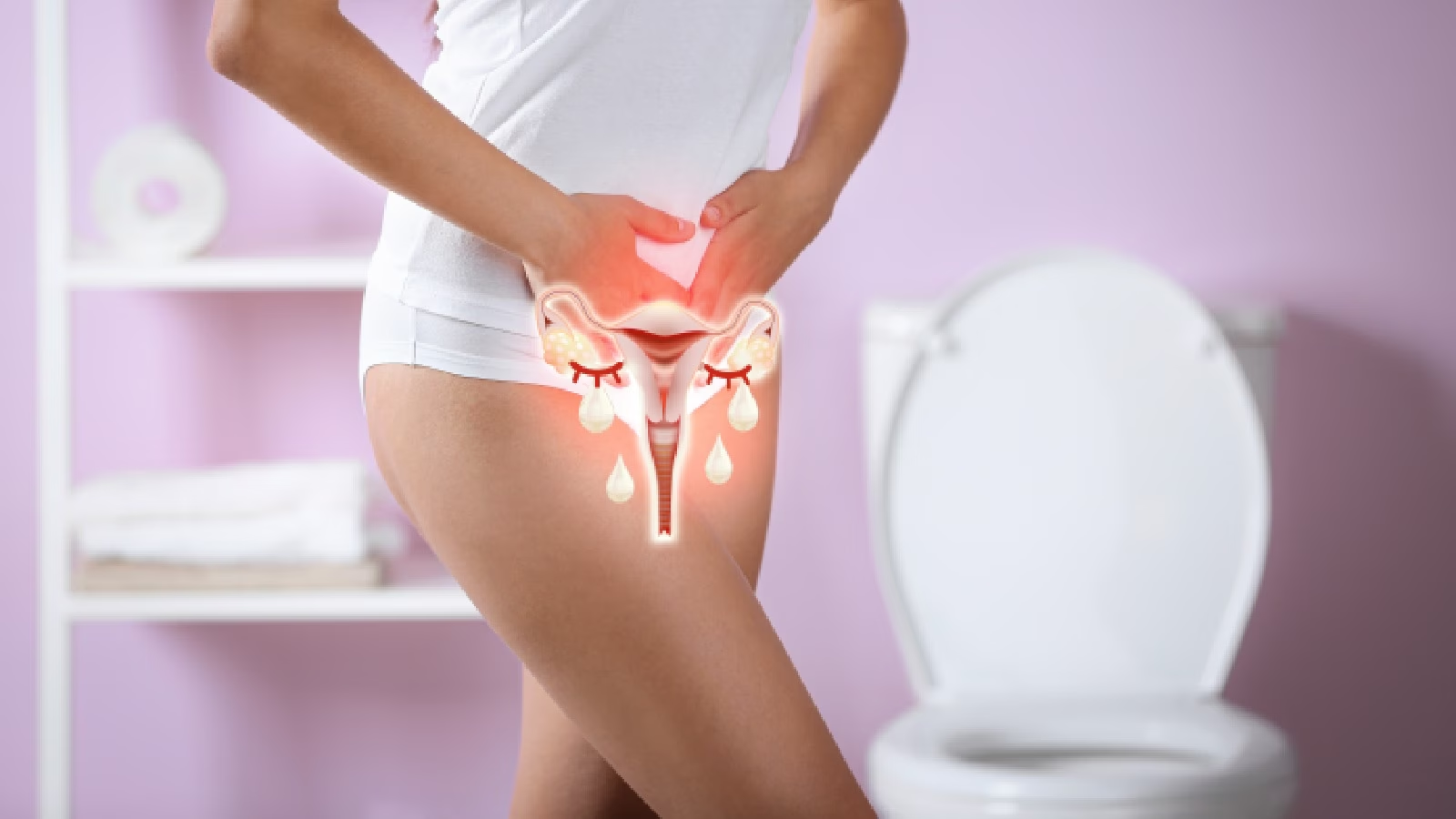
New Delhi, 19 August 2025: When it comes to intimacy during menstruation, opinions are often divided. For some couples, sex during a period is completely normal and even beneficial in easing cramps or strengthening emotional bonds. However, medical professionals and health experts often highlight certain risks and concerns that are important to understand before engaging in sexual activity during menstruation.
This article explores five medically backed reasons why avoiding physical intimacy during periods might be the healthier choice — not just for the menstruating partner, but for both individuals involved.
1. Higher Risk of Infections
One of the primary concerns about having sex during menstruation is the increased risk of infections. During a period, the cervix naturally opens slightly to allow the uterine lining to shed. This physiological change, combined with the presence of blood, creates an environment where bacteria can enter the body more easily.
Menstrual blood can also serve as a medium in which bacteria thrive. This raises the risk of various infections such as bacterial vaginosis, yeast infections, and urinary tract infections (UTIs). If proper hygiene is not maintained, the likelihood of these infections increases significantly.
While using protection like condoms can reduce these risks, they cannot eliminate them entirely. If either partner already has an underlying infection, there is a higher chance it could spread or worsen during period sex.
2. Increased Risk of Sexually Transmitted Infections (STIs)
Another significant concern is the elevated risk of transmitting or contracting sexually transmitted infections (STIs) during menstruation. The open cervix and reduced protective cervical mucus make it easier for pathogens to enter the reproductive tract.
Infections such as HIV, HPV, gonorrhea, and chlamydia can be more easily transmitted during period sex. According to medical studies, menstrual blood can carry viruses, and even minimal exposure to infected blood can increase the chance of STI transmission — especially if there are any small cuts or abrasions present.
Even with condom use, it’s still possible for some viruses or bacteria to be transmitted through skin-to-skin contact or exposure to bodily fluids. For this reason, if either partner has a known or suspected STI, it’s strongly advised to avoid sexual activity during menstruation altogether.
3. Heightened Discomfort and Pain
Although some people report that sexual activity helps relieve period cramps, others may experience increased discomfort or pain. Menstruation already brings along a range of physical symptoms such as abdominal cramps, bloating, fatigue, and sensitivity. Adding physical activity or pressure during intimacy can sometimes worsen these symptoms rather than relieve them.
For many individuals, the uterus becomes more tender during menstruation, and stimulation may intensify cramping. Additionally, certain sexual positions may feel uncomfortable or even painful. Emotional discomfort can also play a role — if someone isn’t feeling fully relaxed or comfortable with the idea of intimacy during their period, this mental tension can lead to physical discomfort as well.
It’s essential to listen to your body. If physical intimacy feels more painful than pleasurable, that’s a strong sign to press pause and wait until symptoms subside.
4. Hygiene and Cleanliness Concerns
While period sex isn’t inherently “dirty,” it can be messy, which may cause anxiety for some individuals. Menstrual blood can stain sheets, clothes, and surfaces, leading to awkward moments or additional cleanup. For some people, this creates an uncomfortable or self-conscious atmosphere during what should be a relaxed, intimate experience.
If both partners are not fully comfortable with the possibility of blood and cleanup, it could lead to mental distraction, tension, or even regret afterward. While some couples take precautions like using towels or opting for shower intimacy, these solutions don’t work for everyone.
Furthermore, menstrual blood can carry not only bacteria but also viruses, so maintaining hygiene becomes extra important. If not handled with care, physical intimacy during menstruation could unintentionally result in cross-contamination or increased health risks.
5. Changes in Menstrual Flow or Cycle
Engaging in physical intimacy during your period can sometimes cause changes in menstrual flow. The stimulation of the cervix and uterus during sex may lead to heavier bleeding or spotting afterward. For some people, this could mean prolonged periods, irregular flow, or cramping that lingers longer than usual.
Although these symptoms don’t always indicate a serious issue, they can be uncomfortable and confusing, especially if you’re not expecting them. Repeated experiences like this can also interfere with tracking your menstrual cycle accurately.
If you’re trying to monitor fertility, plan a pregnancy, or manage a menstrual disorder, changes in your flow pattern due to sexual activity during your period can add unnecessary complications.
Communication and Consent Matter
Whether or not to engage in intimacy during menstruation is a personal decision, and every body reacts differently. Some couples are entirely comfortable and symptom-free during period sex, while others find it painful or problematic.
What matters most is informed consent, open communication, and mutual comfort between partners. If either person feels hesitant, uncomfortable, or physically unwell, it’s best to wait until after the period has passed. Physical intimacy should always be a safe and respectful experience for both individuals.
If you or your partner have concerns about sexual activity during menstruation, consult a medical professional or gynecologist. They can offer personalized advice based on your unique health profile.
5 Reasons to Avoid Intimacy During Periods
- Higher risk of bacterial infections due to the open cervix and blood exposure.
- Greater chance of STI transmission, even with condom use.
- Physical discomfort or increased cramping during and after sex.
- Hygiene concerns and emotional discomfort related to mess and self-consciousness.
- Possible disruption of menstrual flow, such as heavier bleeding or spotting.
Staying informed empowers you to make choices that align with your health, comfort, and relationship. When in doubt, it’s always okay to say no — your well-being should always come first.
















Leave a comment