

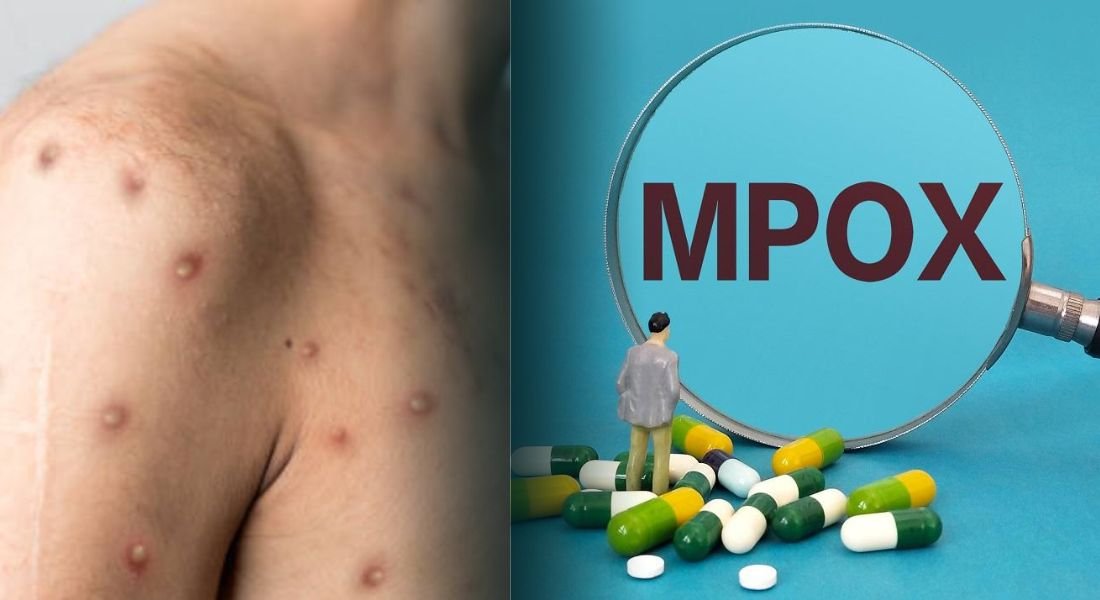
New Delhi, September 28: As cases of Mpox continue to rise in India, the Indian government has issued an advisory to all States and Union Territories (UTs) regarding the prevention and control of Mpox, formerly known as monkeypox. Health Secretary Apurva Chandra emphasised the necessity of implementing key public health measures to minimise the spread of the disease across the nation.
Monkeypox (Mpox) Awareness Is Key
The advisory stressed the importance of raising public awareness about Monkeypox, including its transmission methods and symptoms. It encouraged states and UTs to engage communities actively to ensure they understand the significance of timely reporting and preventive measures. “All states/UTs are requested to undertake appropriate activities to make communities aware about the disease,” states the advisory.
Monkeypox Dos: Key Measures For Mpox Prevention
To effectively manage and prevent the spread of Monkeypox, the advisory outlined essential dos:
1. Maintain Hygiene: Practice good hand hygiene by washing your hands frequently with soap and water or using alcohol-based hand sanitizers.
2. Avoid Close Contact: Minimize close contact with individuals who are sick or have a rash. Maintain a distance of at least one meter from others.
3. Cover Your Mouth and Nose: When coughing or sneezing, cover your mouth and nose with a tissue or your elbow.
4. Get Vaccinated: If you are at high risk of exposure to Monkeypox, consult with a healthcare professional about getting vaccinated.
5. Seek Medical Attention: If you develop symptoms of Monkeypox, such as fever, rash, or swollen lymph nodes, seek medical attention immediately.
6. Follow Quarantine Guidelines: If you are diagnosed with Mpox or have been exposed to an infected individual, follow the quarantine guidelines provided by health authorities.
7. Stay Informed: Stay updated on the latest information about Mpox and follow the guidelines issued by the health ministry.
Monkeypox Don’ts: What To Avoid
The advisory also provided crucial don’ts to mitigate the risk of Mpox transmission:
1. Touch Rashes: Avoid touching or scratching rashes on yourself or others.
2. Share Personal Items: Do not share personal items such as bedding, towels, or clothing with others.
3. Ignore Symptoms: If you experience symptoms of Mpox, do not ignore them. Seek medical attention promptly.
4. Spread Misinformation: Avoid sharing unverified or false information about Mpox on social media or other platforms.
The health ministry has reassured the public that robust testing capabilities are in place, with 36 ICMR-supported laboratories nationwide and approved PCR kits available for early diagnosis. To ensure preparedness, the advisory outlines necessary actions, such as identifying isolation facilities in hospitals for suspected and confirmed Mpox cases, ensuring the availability of logistics, and training healthcare workers.











Leave a comment