

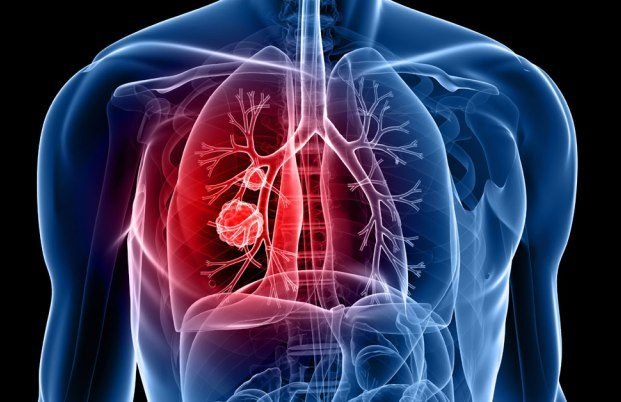
Lung cancer is one of the most common cancers globally, and its early detection is crucial for effective treatment. Understanding the stages of lung cancer helps doctors determine the best treatment options for patients. Two essential tools in this process are PET CT scans and brain MRI.
What is Lung Cancer?
Lung cancer starts in the lungs and can spread to other parts of the body. It is primarily caused by tobacco smoking, but other factors like exposure to certain chemicals, air pollution, and family history can also contribute. According Dr Shyam Aggarwal, Chairman, Medical Oncology, Sir Ganga Ram Hospital, “Lung cancer is in the top ten cancers in our country. Nearly one lakh new cases are diagnosed each year in India. Most lung cancer cases are attributed to tobacco smoking and diagnosed in advanced stages.”
The Importance of Staging
Staging describes how much the cancer has grown and spread. This is a critical step in diagnosing lung cancer because it helps doctors decide the most effective treatment plan. Dr. Aggarwal explains, “Diagnosis of lung cancer requires FNAC/biopsy. Staging is usually done by PET CT scan and Brain MRI. Stage 1 and 2 can be operated and are curable. Stage 3 cancers need either surgery or CT/Radiotherapy. Stage 4 cancers need targeted therapy.”
PET CT Scans: A Comprehensive View
A PET CT scan combines the techniques of Positron Emission Tomography (PET) and Computed Tomography (CT) to provide detailed images of the body’s tissues and organs. This scan helps doctors see how far the cancer has spread and whether it has reached other parts of the body. It is especially useful for identifying cancerous cells that might not be visible through other imaging methods.
Brain MRI: Checking for Spread to the Brain
A brain MRI (Magnetic Resonance Imaging) uses magnetic fields and radio waves to create detailed images of the brain. Since lung cancer can spread to the brain, a brain MRI is often performed to check for any signs of metastasis. This helps doctors understand the full extent of the disease and plan appropriate treatments.
Treatment Options Based on Staging
The treatment for lung cancer varies depending on its stage:
Stage 1 and 2: These early stages are often treated with surgery to remove the cancerous tissue. Dr. Aggarwal notes, “Stage 1 and 2 can be operated and are curable.”
Stage 3: Treatment may involve a combination of surgery, chemotherapy, and radiotherapy. “Stage 3 cancers need either surgery or CT/Radiotherapy,” says Dr. Aggarwal.
Stage 4: At this advanced stage, targeted therapy is used to attack specific cancer cells. Dr. Aggarwal explains, “Stage 4 cancers need targeted therapy. To identify actionable targets, NGS – next gen sequencing is done. Potent EGFR, Alk, Ros drugs are readily available. In case no target is detected, chemotherapy and immunotherapy is used.”
Advances in Treatment
With ongoing research and advancements in medical technology, the treatment of lung cancer is continually improving. Dr. Aggarwal shares an optimistic view: “With multi-modality therapy, currently half the patients can be cured. Major research efforts are ongoing to control lung cancer in the world.”
Staging lung cancer accurately is essential for determining the best treatment plan. PET CT scans and brain MRI are critical tools that help doctors understand the extent of the disease and choose the most effective treatments. With continued research and advanced therapies, there is hope for better outcomes and improved survival rates for lung cancer patients.















Leave a comment