

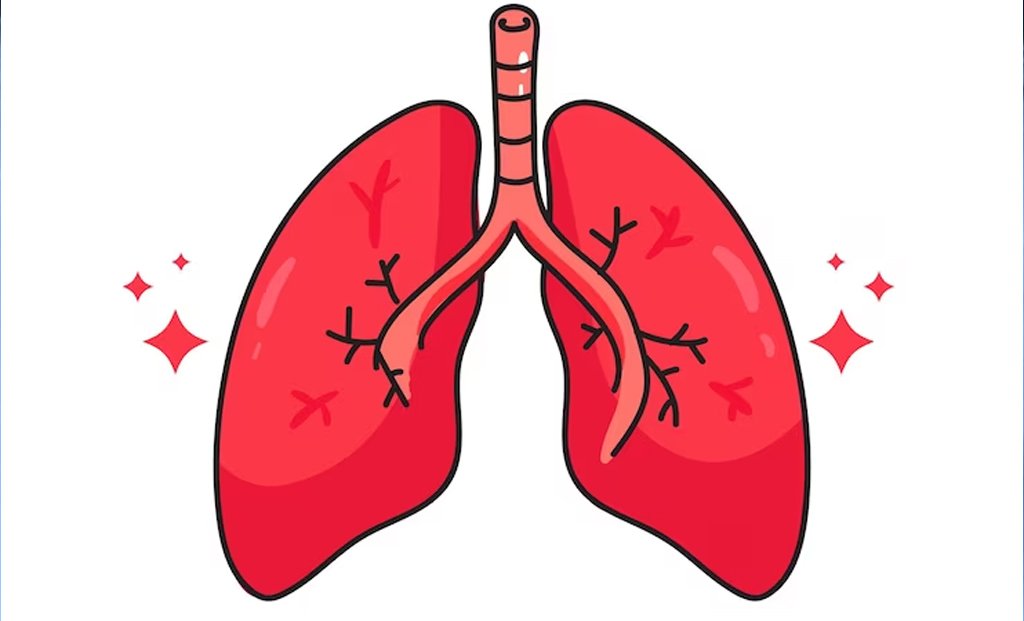
Lung cleansing, commonly referred to as detoxifying or purifying the lungs, has gained popularity as a potential method to improve respiratory health and reduce the risk of lung-related diseases, including lung cancer. However, the concept and efficacy of lung cleansing in preventing lung cancer require careful examination.
What is Lung Cleansing?
It involves practices aimed at clearing mucus, pollutants, and other irritants from the respiratory system. Methods of lung cleansing can range from simple breathing exercises and steam therapy to the use of natural supplements and dietary changes. These practices said to enhance lung function, reduce inflammation, and support overall respiratory health.
Mechanisms of Lung Cancer
Lung cancer majorly develops due to genetic mutations and environmental exposures that cause abnormal cell growth in lung tissues. The most significant risk factor for lung cancer is smoking, which introduces carcinogenic substances that damage lung cells. Other risk factors include exposure to radon, asbestos, air pollution, and a family history of lung cancer.
Potential Benefits of Lung Cleansing
While It practices can help in improving lung health, their direct impact on lung cancer prevention is less clear. Here are some potential benefits of lung cleansing that may indirectly contribute to a lower risk of lung cancer:
1. Reduction of Mucus and Pollutants:
Techniques such as steam therapy and the use of expectorants can help clear mucus and pollutants from the lungs. This can improve breathing and reduce the burden of harmful substances that might lead to cellular damage.
2. Anti-inflammatory Effects:
Chronic inflammation in the lungs can contribute to the development of cancer. Certain lung cleansing methods, like consuming anti-inflammatory foods (e.g., turmeric, ginger) and practicing deep breathing exercises, may help in reducing inflammation.
3. Improved Lung Function:
Regular breathing exercises, such as diaphragmatic breathing and pursed-lip breathing, can enhance lung capacity and efficiency. Enhanced lung function can improve overall respiratory health, potentially lowering the risk of infections and chronic obstructive pulmonary disease (COPD), both of which are risk factors for lung cancer.
4. Detoxification:
Some natural remedies and supplements, such as green tea and antioxidants, are believed to have detoxifying properties. They can help in neutralizing free radicals and reduce oxidative stress, which is implicated in cancer development.
Limitations and Considerations
Despite the potential benefits, it is important to understand the limitations of It concerning lung cancer prevention:
1. Lack of Scientific Evidence:
While some studies suggest benefits of individual components of lung cleansing (e.g., antioxidants reducing oxidative stress), there is no concrete evidence linking lung cleansing practices to a decreased risk of lung cancer.
2. Risk Factors Remain of Lung cleansing:
Lung cancer is influenced by multiple risk factors, especially smoking. Lung cleansing practices solely cannot counteract the carcinogenic effects of smoking. Quitting smoking is the most effective way to reduce lung cancer risk.
3. Preventive Measures of Lung cleansing:
It should not replace proven preventive measures such as smoking cessation, reducing exposure to environmental pollutants, regular medical check-ups, and following a healthy lifestyle.
Lung cleansing can offer several health benefits that improve respiratory function and overall lung health. The above mentioned practices can help clear mucus, reduce inflammation, and enhance lung capacity. However, the direct impact of lung cleansing on preventing lung cancer is not well-established due to a lack of substantial scientific evidence.
Read Also – Staging Lung Cancer: The Critical Role of PET CT Scans and Brain MRI
The most effective strategy for preventing lung cancer involves addressing primary risk factors, especially smoking cessation and minimizing exposure to harmful pollutants. While lung cleansing can be a complementary practice for maintaining lung health, it should not be relied upon as the only preventive measure against lung cancer. Combining It with proven preventive strategies offers a more comprehensive approach to reducing the risk of lung cancer and promoting overall respiratory wellness.
(By Dr. Arun Chowdary Kotaru, Consultant, Respiratory and Sleep Medicine at Artemis Hospital Gurugram)















Leave a comment