Home Latest News Lancet Study Reveals Widespread Iron, Calcium, and Folate Deficiencies Among Indians
Latest News

Lancet Study Reveals Widespread Iron, Calcium, and Folate Deficiencies Among Indians

Share
Share

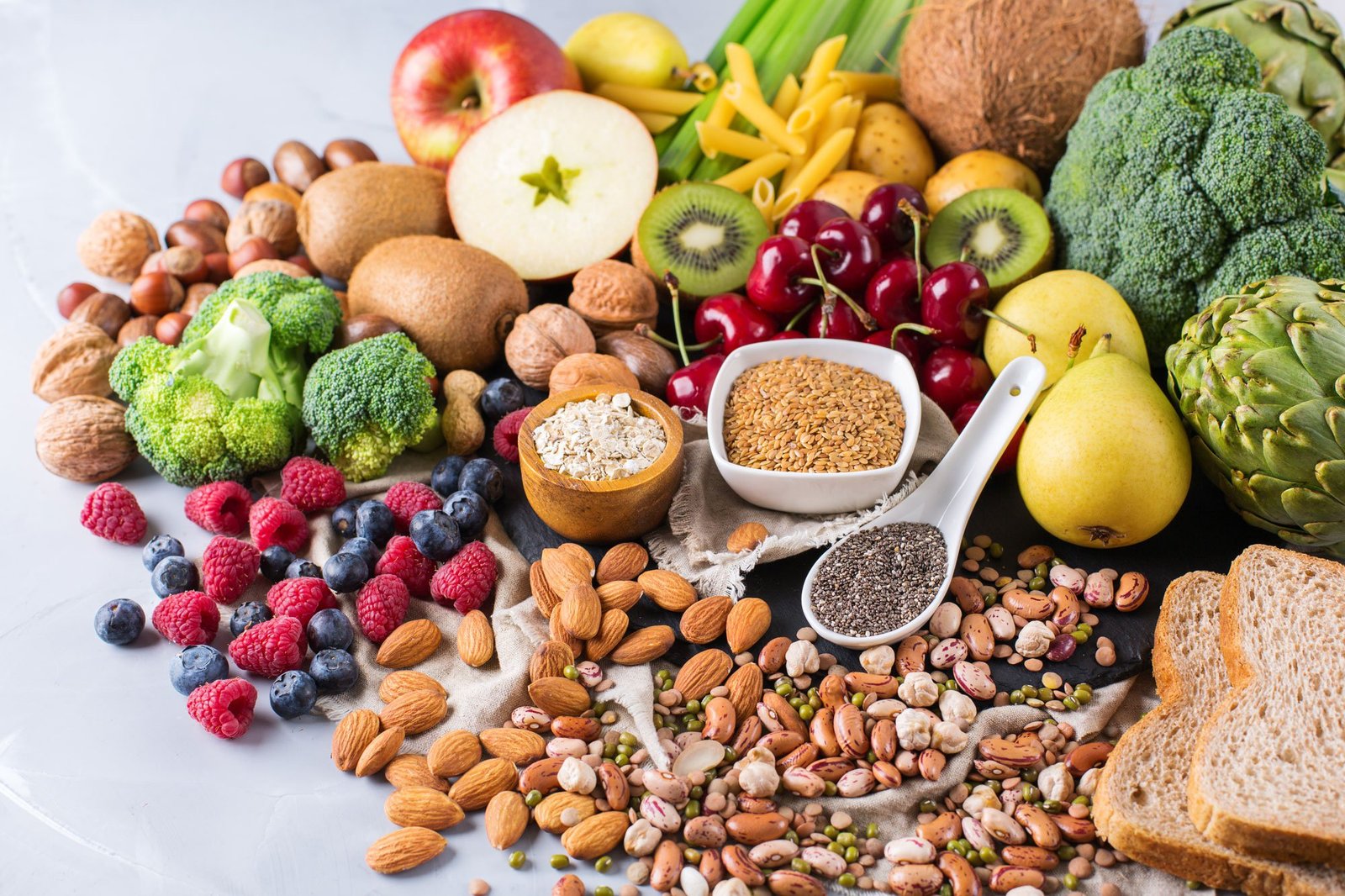
Indians across all age groups are facing a significant deficiency in vital nutrients like iron, calcium, and folate, according to a recent study published in The Lancet. These nutrients are essential for maintaining good health, but many in India are not getting enough of them in their diets.

Global Findings on Micronutrient Deficiencies

The study, conducted by researchers at Harvard T.H. Chan School of Public Health, UC Santa Barbara (UCSB), and the Global Alliance for Improved Nutrition (GAIN), analyzed the diets of people from 185 countries. Their findings revealed that billions of people worldwide are not consuming adequate amounts of 15 essential micronutrients, without taking any supplements.

Globally, more than five billion people are not getting enough iodine, vitamin E, and calcium. The research showed that women in India consume less iodine compared to men, while more men consume inadequate amounts of zinc and magnesium compared to women.

Calcium Deficiency: A Major Concern in India and Beyond

Men and women aged 10-30 years are particularly at risk of low calcium intake, especially in South Asia, Southeast Asia, and sub-Saharan Africa. This deficiency is not just a problem in developing regions; it was also found to be low in North America, Europe, and Central Asia.

The study highlighted that “each deficiency carries its own health consequences, from adverse pregnancy outcomes, to blindness, to increased susceptibility to infectious diseases.”

Specific Nutrient Deficiencies in India

In India, the research showed that estimated inadequate intakes of riboflavin, folate, vitamin B6, and vitamin B12 are particularly high. The study also pointed out that fortified foods or supplements were not taken into account, which means the actual deficiency levels might be slightly overestimated in regions where people consume high amounts of these fortified foods.

Study’s Impact and Future Implications

Overall, the study serves as a wake-up call, urging public health officials and individuals to pay closer attention to their nutrient intake, especially for those in vulnerable age groups and regions.

Share

Leave a comment

Leave a Reply

Your email address will not be published. Required fields are marked *

Don't Miss

Bundibugyo Ebola virus
International NewsVirus & DiseaseWHO

From Fever To Organ Failure: How The Bundibugyo Ebola Virus Affects The Body

The Bundibugyo Ebola virus outbreak has raised fresh global health concerns as infections continue to spread across parts of Central and East Africa....

WHO
Health TipsInternational NewsLatest NewsLifestyle & WellnessWHO

WHO Issues First Type 1 Diabetes Guidelines for Adults: 7 Things Patients Need to Know

More than 100 years after the discovery of insulin, millions of people living with type 1 diabetes continue to face challenges in accessing...

Breast Cancer
Health NewsOncology

Mammogram vs Ultrasound vs MRI: Which Breast Cancer Screening Test Is Right for You?

Breast cancer is one of the most common cancers affecting women worldwide, and early detection plays an important role in improving treatment outcomes....

Always Tired? It Could Be Anaemia!
Diet & NutritionHealth NewsHealth TipsLifestyleLifestyle & WellnessWellness

Anaemia in India: Why Iron Deficiency Remains a Concern and 7 Signs You Should Not Ignore

Feeling tired all the time, experiencing frequent dizziness or getting breathless after climbing a few stairs? While these symptoms are often dismissed as...

N95 Mask
Health TipsLatest NewsLifestyle & WellnessWellness

Does Wearing an N95 Mask Protect You From PM2.5 Pollution? Doctors Explain How To Choose And Wear It Correctly

As air pollution continues to affect several Indian cities during winter, wearing a mask has become an important precaution for people stepping outdoors....

Section title

Related Articles
Latest NewsWHO

WHO Releases First-Ever Guidelines For Type 1 Diabetes In Adults: 5 Key Recommendations Explained

The World Health Organization (WHO) has issued its first-ever guidelines for the...

Health NewsLatest NewsLifestyle

7 Simple Ways to Protect Yourself from Air Pollution

Air pollution has become a major health concern today. Dust from construction...