

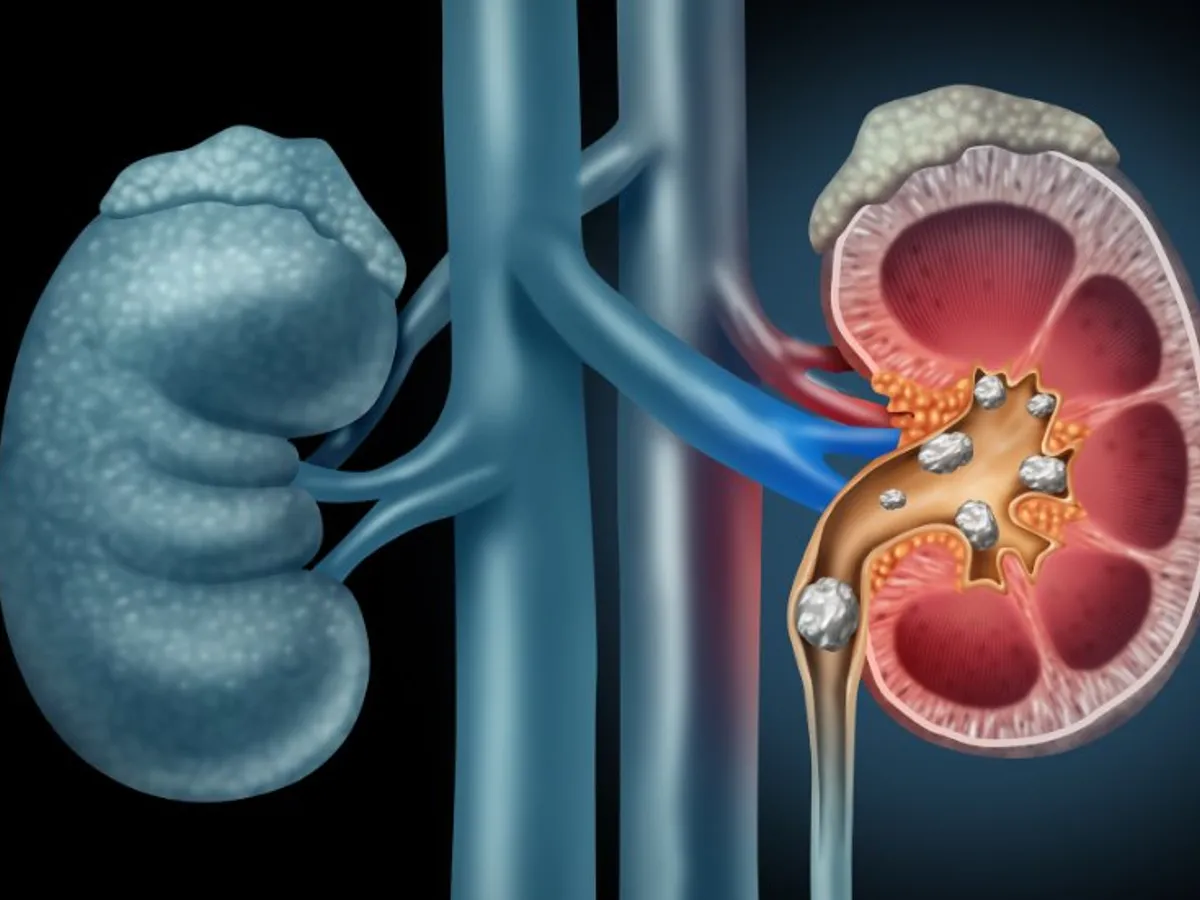
New Delhi, 10 September, 2025: The kidneys are two bean-shaped organs located on either side of the spine, just below the ribcage. Despite their small size, they perform some of the most critical functions in the human body. They filter waste products, maintain fluid balance, regulate blood pressure, produce hormones, and ensure that electrolytes such as sodium, potassium, and calcium stay in check. When the kidneys are damaged, these functions become impaired, leading to serious complications. Unfortunately, kidney disease often develops silently, showing few symptoms until the condition has progressed to an advanced stage.
Early detection can make a significant difference in preventing permanent damage and protecting overall health. By paying attention to certain physical signs and symptoms, you can act in time and seek medical advice before it’s too late.
Below are eight warning signs that may indicate kidney damage or poor renal health.
1. Persistent Fatigue and Low Energy Levels
One of the earliest signs of kidney damage is unexplained fatigue. Healthy kidneys produce a hormone called erythropoietin (EPO), which stimulates the bone marrow to make red blood cells. These red blood cells carry oxygen throughout the body.
When the kidneys are damaged, they produce less EPO, leading to fewer red blood cells and reduced oxygen supply—a condition known as anemia. As a result, people with kidney disease often feel constantly tired, weak, and unable to concentrate. Unlike normal tiredness after physical activity, this fatigue is persistent and does not improve with rest.
2. Changes in Urination Patterns
The kidneys are directly responsible for producing urine, so any changes in urinary habits can be an early indicator of trouble. You should be alert if you notice:
- Frequent urination, especially at night (nocturia).
- Decreased urine output despite drinking enough fluids.
- Foamy or bubbly urine, which may indicate protein leakage.
- Pain or burning sensation during urination.
- Blood in the urine (hematuria).
These symptoms suggest that the kidneys are not filtering waste effectively, and immediate medical evaluation is required.
3. Swelling in Legs, Feet, or Ankles
Kidneys regulate fluid balance in the body by excreting excess water. When they lose this ability, fluid accumulates in tissues, causing edema or swelling. This is most commonly noticed in the feet, ankles, and legs, but it can also occur in the face and hands.
Swelling may start mildly and become more noticeable over time. Ignoring this sign can lead to severe fluid retention and complications such as high blood pressure, heart problems, and lung congestion.
4. Shortness of Breath
If you frequently feel out of breath, your kidneys may be struggling. There are two main reasons for this:
- Anemia caused by reduced red blood cell production, leading to poor oxygen transport.
- Fluid buildup in the lungs, which happens when damaged kidneys fail to eliminate excess fluid.
This can cause difficulty in breathing even during light activities, such as walking short distances or climbing stairs. In severe cases, patients may feel breathless while lying flat.
5. Persistent Nausea and Vomiting
Waste products that healthy kidneys would normally filter out can accumulate in the bloodstream when the organs are damaged. This condition, known as uremia, often causes nausea, vomiting, metallic taste in the mouth, and loss of appetite.
Many patients with advanced kidney damage also experience weight loss and dislike certain foods, especially meat. Persistent digestive discomfort should never be ignored, as it often signals that toxins are building up inside the body.
6. High Blood Pressure
The relationship between kidney health and blood pressure is a two-way street. High blood pressure can damage the delicate blood vessels in the kidneys, while kidney damage can in turn cause blood pressure to rise further.
The kidneys play a vital role in regulating blood pressure by controlling fluid balance and producing hormones. If you have hypertension that is difficult to manage despite medication, it could be an early warning of kidney disease. Left unchecked, this cycle of damage can accelerate kidney failure.
7. Skin Problems and Itching
Healthy kidneys remove excess minerals and waste from the bloodstream. When they fail to do so, high levels of phosphorus and toxins build up, which can cause severe itching, dry skin, or rashes.
This is more than just a minor irritation—it is a sign of an imbalance in the body’s mineral and nutrient levels. Persistent skin problems, especially when combined with other symptoms like fatigue and swelling, should prompt a kidney function test.
8. Difficulty Concentrating and Memory Issues
Cognitive decline is another overlooked symptom of kidney damage. The buildup of toxins in the blood can affect brain function, leading to poor concentration, memory problems, confusion, and even dizziness. Additionally, anemia caused by poor kidney function reduces oxygen supply to the brain, worsening mental sharpness.
In severe cases, patients may experience mood swings, irritability, or difficulty performing routine daily tasks.
Why Early Detection Matters
The biggest challenge with kidney disease is its silent progression. Most people do not notice symptoms until significant damage has occurred, at which point treatment options are limited. Detecting kidney problems early allows doctors to slow the progression, prevent complications, and improve quality of life.
Common risk factors include:
- Diabetes
- High blood pressure
- Family history of kidney disease
- Obesity
- Smoking
- Age over 60
If you fall into any of these risk categories, regular kidney function tests—such as blood creatinine levels, glomerular filtration rate (GFR), and urine tests for protein—are highly recommended.
Protecting Your Kidney Health
The good news is that lifestyle changes and timely medical care can significantly reduce the risk of kidney damage. Here are some preventive steps:
- Stay hydrated: Drinking enough water helps the kidneys flush out toxins.
- Eat a balanced diet: Limit salt, processed foods, and excess protein. Include fruits, vegetables, and whole grains.
- Control blood sugar and blood pressure: Both are leading causes of kidney damage.
- Exercise regularly: Physical activity improves circulation and overall kidney health.
- Quit smoking and limit alcohol: Both harm kidney function over time.
- Avoid overuse of painkillers: Long-term use of NSAIDs (like ibuprofen) can damage the kidneys.
Key Highlights
Kidney damage symptoms is a silent but dangerous health condition that can affect anyone, especially those with diabetes, high blood pressure, or a family history of renal issues. By understanding the eight warning signs—fatigue, changes in urination, swelling, shortness of breath, nausea, high blood pressure, skin problems, and difficulty concentrating—you can take proactive steps to protect your renal health.
Never ignore these symptoms, even if they appear mild or occasional. Early consultation with a healthcare provider, combined with healthy lifestyle practices, is the best way to preserve kidney function and ensure long-term wellbeing.

















Leave a comment