

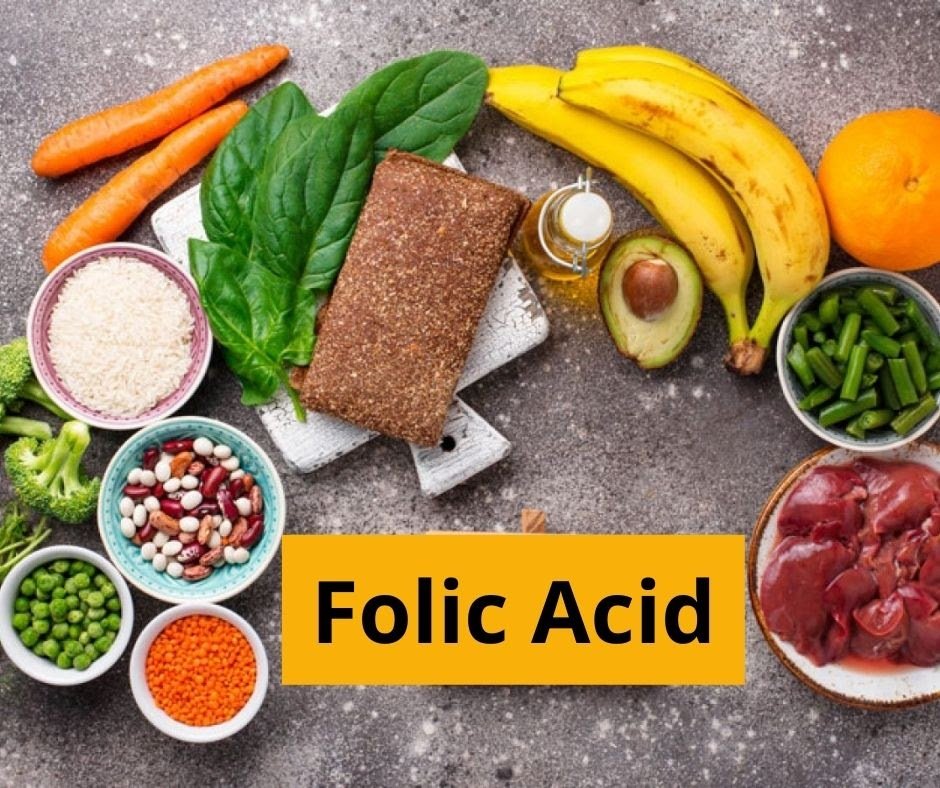
New Delhi, 11 September, 2025: Every January, Folic Acid Awareness Week is observed to raise awareness about the importance of folic acid in women’s health, pregnancy, and overall well-being. In 2025, this awareness campaign has gained even more attention as doctors, nutritionists, and global health organizations emphasize the life-saving role this nutrient plays in reducing the risk of serious birth defects. Despite the simplicity of adding folic acid into one’s daily routine, millions of women worldwide remain unaware of its crucial impact.
This article will explore the importance of folic acid, how it helps prevent birth defects, daily requirements, food sources, and why awareness matters now more than ever.
What Is Folic Acid?
Folic acid is the synthetic form of folate, a type of B vitamin (Vitamin B9) that plays a vital role in cell growth, DNA synthesis, and red blood cell formation. While folate is naturally found in foods like leafy greens, legumes, and citrus fruits, folic acid is used in supplements and fortified foods.
During pregnancy, folic acid is particularly important because it supports the development of the baby’s brain, spinal cord, and nervous system. A deficiency in this nutrient can lead to neural tube defects (NTDs) — serious birth defects that occur in the early weeks of pregnancy, often before a woman even knows she is pregnant.
Why Is Folic Acid Awareness Week Important?
The campaign was established to educate women of childbearing age about the importance of folic acid before and during pregnancy. Neural tube defects like spina bifida and anencephaly can develop in the first 28 days of pregnancy, a time when many women may not even realize they are expecting.
By raising awareness, the goal is to encourage women to take folic acid supplements regularly and consume folate-rich foods so that their bodies are prepared well in advance.
How Folic Acid Prevents Birth Defects
Folic acid is critical in the formation of the neural tube, which eventually becomes the baby’s brain and spinal cord. If the neural tube doesn’t close properly, it can result in defects such as:
- Spina bifida: A condition where the spinal cord does not develop properly, leading to lifelong disability.
- Anencephaly: A severe birth defect where parts of the brain and skull are missing, often leading to miscarriage or infant death.
Studies show that taking adequate folic acid before conception and during early pregnancy can reduce the risk of neural tube defects by up to 70%.
Daily Recommended Intake of Folic Acid
Health experts recommend:
- Women of childbearing age (15–45 years): 400 micrograms (mcg) daily
- Pregnant women: 600 mcg daily
- Breastfeeding women: 500 mcg daily
Since many pregnancies are unplanned, it is advised that all women of reproductive age take a daily folic acid supplement, even if they are not actively trying to conceive.
Natural Food Sources of Folate
Apart from supplements, folate can be obtained from a variety of foods. Incorporating these into your daily diet can boost folate levels naturally:
- Dark leafy greens (spinach, kale, lettuce)
- Citrus fruits (oranges, lemons, grapefruit)
- Avocados
- Lentils, beans, peas
- Beets
- Brussels sprouts
- Fortified cereals, bread, and rice
However, since natural folate may not always provide sufficient amounts, supplements or fortified foods are often necessary for women planning pregnancy.
Folic Acid Beyond Pregnancy
While the role of folic acid in pregnancy is widely known, it also has other health benefits for both men and women:
- Supports red blood cell production → Prevents anemia
- Boosts mental health → Linked to reduced risk of depression and cognitive decline
- Supports heart health → Helps regulate homocysteine levels, reducing cardiovascular disease risk
- Promotes healthy skin, hair, and nails
- Improves fertility in both men and women
Global Health Impact and Awareness Gap
Despite decades of awareness campaigns, studies show that a large percentage of women, particularly in low- and middle-income countries, still do not meet the daily folic acid requirement. Lack of awareness, limited access to supplements, and poor dietary diversity contribute to this problem.
Governments and health organizations worldwide have introduced mandatory folic acid fortification programs in staple foods like flour and rice. Countries with such policies have seen a significant decline in neural tube defects.
Yet, awareness remains the most powerful tool. Folic Acid Awareness Week 2025 is a reminder for women, families, and healthcare providers to talk about supplementation, nutrition, and maternal health openly.
Tips to Ensure You Are Getting Enough Folic Acid
- Start early – Begin supplementation before conception.
- Choose fortified foods – Opt for breads, rice, or cereals labeled as “fortified with folic acid.”
- Eat a balanced diet – Include folate-rich fruits and vegetables daily.
- Take prenatal vitamins – If you’re planning pregnancy, a prenatal vitamin ensures adequate intake.
- Consult a doctor – Get personalized advice based on your health and lifestyle.
Folic Acid and Women’s Empowerment
Ensuring women have access to folic acid is not just about nutrition — it’s about empowerment and equity in healthcare. Preventing birth defects not only saves lives but also reduces long-term healthcare costs and ensures healthier families.
Awareness campaigns like Folic Acid Awareness Week 2025 empower women with knowledge, giving them control over their reproductive health and future.
Folic acid may be a small nutrient, but its impact is enormous. By taking just one simple supplement daily, women can dramatically reduce the risk of birth defects, support their own health, and secure a healthier future for their children.
As we mark Folic Acid Awareness Week 2025, let’s spread the word: folic acid saves lives. Awareness, education, and early action are the keys to preventing preventable birth defects and ensuring healthier generations.
















Leave a comment