Home Lifestyle & Wellness Kidney Cancer In Men: 7 Risk Factors You Need To Know
Lifestyle & Wellness

Kidney Cancer In Men: 7 Risk Factors You Need To Know

Share
Share

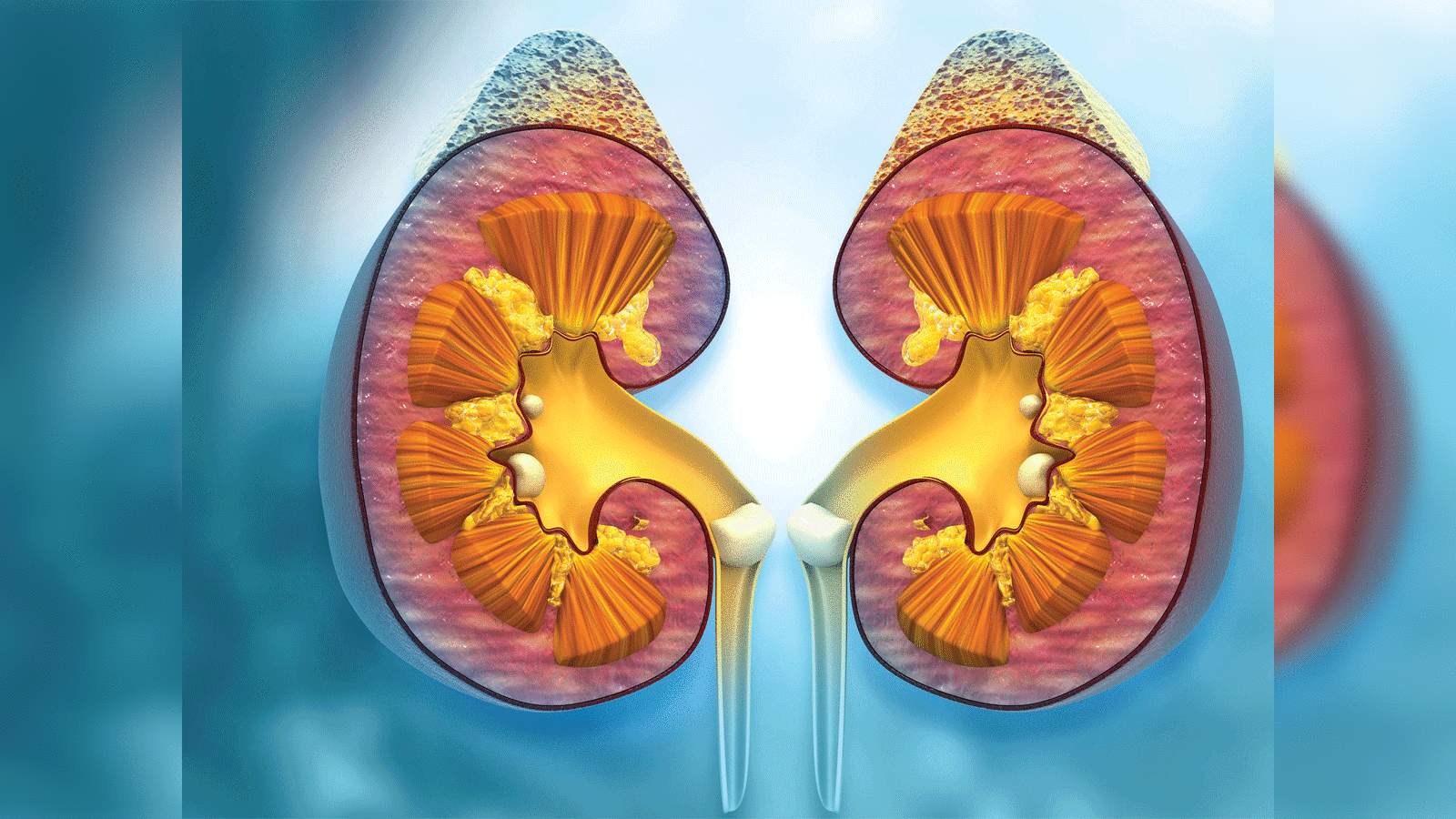
Kidney cancer packs a potent punch worldwide, profoundly impacting many – with men frequently in the crosshairs. Recognizing the proven risk factors for kidney cancer is an indispensable step towards early discovery and prevention. This discussion highlights seven pivotal risk factors that every man should understand in order to safeguard his kidney health.

Genetics Plays Vital Role For Cancer Onset

An individual’s genetic makeup can largely influence their likelihood of developing kidney cancer. Men with a family lineage of kidney cancer should be extra cautious about their own vulnerability. It’s vital to get familiar with your family’s health history and engage in a serious conversation with your doctor about any genetic proneness.

Smoking

Tobacco intake, especially smoking, stands firmly as a widely-acknowledged hazard for kidney cancer. Smoker men are more likely to acquire the disease than their non-smoking counterparts. Kicking the butt is a decisive stride towards mitigating kidney cancer risks and promoting overall health.

Obesity Can Lead To Cancer

Excessive body fat plays a significant role in escalating the risk of kidney cancer among men. Especially dangerous is the fat around the midsection. Thus, embracing a balanced lifestyle with a focus on nutritious diet and regular physical activity is crucial.

High Blood Pressure

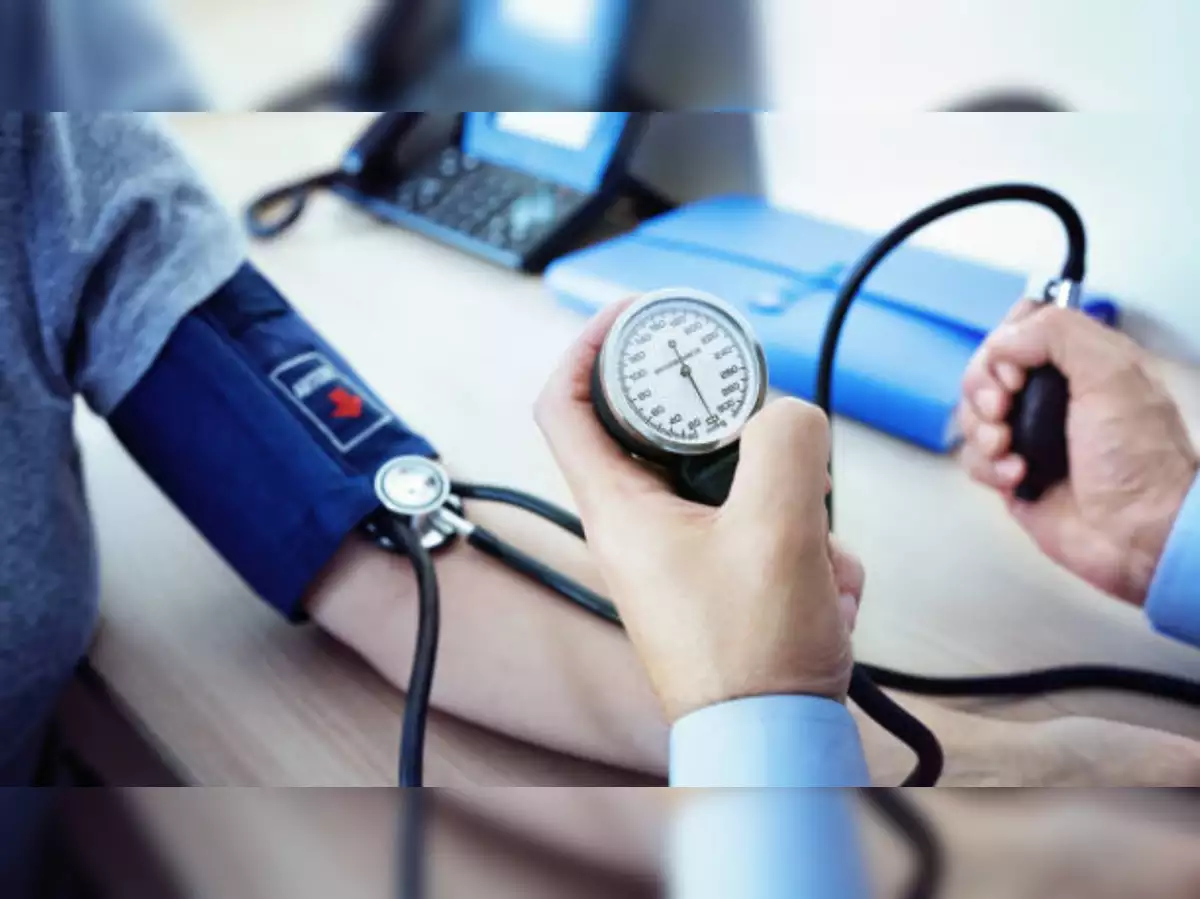
Men who experience high blood pressure are at augmented risk for kidney cancer. The extra stress that hypertension exerts on kidneys can sometimes encourage the growth of cancerous cells. Efficient blood pressure management via lifestyle alterations and medications can make a substantial difference.

Chronic Kidney Disease

Chronic kidney disease amplifies susceptibility to kidney cancer. Men with extant kidney issues should therefore be diligent about routine screenings and keep up with their doctor’s advice for monitoring their kidney situation.

Occupational Exposure

Professions that involve constant exposure to harmful chemicals and toxins can heighten kidney cancer risks in men. Industrial sectors like manufacturing, farming, and mining might come with a higher risk due to their specific work environment. Outfitting these environments with proper safety precautions is essential to reduce exposure.

Age And Cancer Risk

Ageing is a big player in kidney cancer risk among men. After hitting the age of 50, men have an increased risk of this disease. Proactive health checks and screenings become increasingly crucial with each passing year to ensure early detection.

Staying conscious of these seven primary kidney cancer risk factors is an integral part of men’s path to health. Through knowledge and preventive actions, men can stay one step ahead of this disease. Regular health check-ups, lifestyle modifications, and steering clear of tobacco are simple, yet striking solutions for preserving not just kidney health but the overall wellbeing.


Share
Written by
Satata Karmakar

Satata Karmakar is a health journalist and Editor of HealthWireMedia.com, with over 12 years of experience in journalism, investigative reporting, newsroom editing and healthcare news. As Editor of HealthWire Media, Satata focuses on delivering accurate, evidence-based and accessible health journalism that helps readers make sense of complex medical and healthcare developments. She specialises in translating medical research, clinical findings, public-health updates and healthcare regulations into clear, engaging stories for healthcare professionals and the wider public. Her areas of coverage include public health, medical research, disease prevention, healthcare policy, health technology, medical education and regulatory developments. She places particular emphasis on verifying health claims through peer-reviewed research, official government notifications, expert interviews and credible institutional sources, including the National Medical Commission (NMC). She is committed to responsible health reporting that prioritises accuracy, context and transparency—especially when covering emerging research, medical breakthroughs, health risks and treatment-related information. Her editorial approach aims to make reliable health information understandable without oversimplifying science or overstating medical claims. Through her work, she seeks to strengthen public understanding of healthcare issues and contribute to informed conversations around health, medicine and policy. Outside the newsroom, Satata enjoys reading and painting, pursuits that continue to inspire her curiosity, creativity and storytelling.

Leave a comment

Leave a Reply

Your email address will not be published. Required fields are marked *

Don't Miss

Virus & Disease

No Approved Vaccine Yet: What Makes The Bundibugyo Ebola Strain So Dangerous?

The ongoing Bundibugyo Ebola outbreak has raised concerns among global health authorities, particularly because there is currently no licensed vaccine specifically approved to...

Bundibugyo Ebola virus
International NewsVirus & DiseaseWHO

From Fever To Organ Failure: How The Bundibugyo Ebola Virus Affects The Body

The Bundibugyo Ebola virus outbreak has raised fresh global health concerns as infections continue to spread across parts of Central and East Africa....

WHO
Health TipsInternational NewsLatest NewsLifestyle & WellnessWHO

WHO Issues First Type 1 Diabetes Guidelines for Adults: 7 Things Patients Need to Know

More than 100 years after the discovery of insulin, millions of people living with type 1 diabetes continue to face challenges in accessing...

Breast Cancer
Health NewsOncology

Mammogram vs Ultrasound vs MRI: Which Breast Cancer Screening Test Is Right for You?

Breast cancer is one of the most common cancers affecting women worldwide, and early detection plays an important role in improving treatment outcomes....

Always Tired? It Could Be Anaemia!
Diet & NutritionHealth NewsHealth TipsLifestyleLifestyle & WellnessWellness

Anaemia in India: Why Iron Deficiency Remains a Concern and 7 Signs You Should Not Ignore

Feeling tired all the time, experiencing frequent dizziness or getting breathless after climbing a few stairs? While these symptoms are often dismissed as...

Section title

Related Articles